
Heartworm disease is a severe and potentially deadly condition that can affect dogs, cats, and even ferrets. Caused by foot-long worms residing in the heart, lungs, and associated blood vessels, it leads to significant health issues, including lung disease and heart failure. For dedicated pet owners, understanding how to prevent this debilitating illness is paramount. This comprehensive guide will explore the crucial role of Heartworm Pills in safeguarding your companion’s health, covering everything from prevention strategies to diagnosis and treatment.
Heartworm disease is a global threat, prevalent across the United States and many other regions. Wild animals like foxes, coyotes, and wolves act as carriers, bringing the disease into proximity with urban pets. The good news is that with consistent preventive measures, including regular administration of heartworm pills, you can effectively protect your furry family members. Consistent prevention is key, and discussing the best options for heartgard medicine with your veterinarian is the first step towards a healthy, heartworm-free life for your pet.
Understanding the Heartworm Threat: What Are Heartworm Pills For?
Heartworm pills are a critical component of a proactive defense strategy against heartworm disease. These medications work by eliminating the immature (larval) stages of the heartworm parasite, preventing them from developing into adult worms that cause severe damage. Administered consistently, typically monthly, they break the heartworm life cycle and offer peace of mind to pet owners.
The transmission of heartworm disease relies on a mosquito acting as an intermediary host. Microscopic baby worms, called microfilariae, circulate in the bloodstream of an infected animal. When a mosquito bites this animal, it picks up these microfilariae, which mature into “infective stage” larvae within 10 to 14 days. When the infected mosquito subsequently bites another pet, these larvae are deposited onto the skin and enter the new host through the bite wound. Once inside, it takes approximately six months for the larvae to develop into sexually mature adult heartworms. These adult worms can then live for 5 to 7 years in dogs and 2 to 3 years in cats, continuously producing offspring and exacerbating the disease.
Heartworm prevention for dogs, cats, and ferrets is not merely a recommendation; it’s a vital commitment. The disease causes lasting damage to the heart, lungs, and arteries, impacting your pet’s quality of life long after the parasites are gone. This is why prevention, often through the use of effective heartworm pills, is unequivocally the best approach.
 Illustration of heartworms in a pet's body, highlighting their long, thin appearance
Why Consistent Heartworm Prevention is Non-Negotiable
The American Heartworm Society (AHS) strongly advocates for year-round heartworm prevention for all pets. This “think 12” approach emphasizes: (1) getting your pet tested every 12 months for heartworm, and (2) giving your pet heartworm preventive 12 months a year. This recommendation holds true even in regions with cold winters, as mosquito species can adapt or overwinter indoors, and infected mosquitoes can travel long distances.
Factors such as climate variations, the presence of wildlife carriers (coyotes, foxes, wolves), and the relocation of infected pets contribute to the spread of heartworm disease. It has been diagnosed in all 50 states, making universal prevention essential. Even indoor pets are at risk because infected mosquitoes can easily find their way inside your home. Heartworm pills provide continuous protection against this ever-present threat.
Heartworm Pills for Dogs: A Lifelong Shield
Dogs are natural hosts for heartworms, meaning the parasites can mature, mate, and reproduce effectively within their bodies. Untreated dogs can harbor hundreds of worms, leading to severe and irreversible damage to their cardiovascular and respiratory systems.
Signs and Symptoms in Dogs
In the early stages, many dogs show no symptoms. As the infection progresses, signs may include a mild, persistent cough, reluctance to exercise, fatigue after moderate activity, decreased appetite, and weight loss. Advanced cases can lead to heart failure, a swollen belly due to fluid accumulation, and potentially life-threatening caval syndrome, marked by sudden labored breathing, pale gums, and dark, coffee-colored urine. Prompt veterinary intervention is crucial at this stage.
Heartworm Testing and Prevention Guidelines for Dogs
All dogs, including puppies, should undergo annual heartworm testing.
- Puppies under 7 months: Can start heartworm prevention without an initial test, but should be tested 6 months after the first dose, again 6 months later, and then annually.
- Adult dogs over 7 months (not on prevention): Must be tested before starting prevention, then retested 6 and 12 months later, and annually thereafter.
- Missed doses: If you miss doses of heartworm meds for dogs, contact your veterinarian immediately to re-start prevention and schedule a retest 6 months later.
Annual testing is vital even for dogs on year-round prevention, as no medication is 100% effective, and missed or late doses can leave your dog vulnerable. It’s important to remember that many heartworm pills also protect against common intestinal parasites like hookworms, roundworms, whipworms, and tapeworms, offering broader protection for your pet’s health. Some formulations also address external parasites.
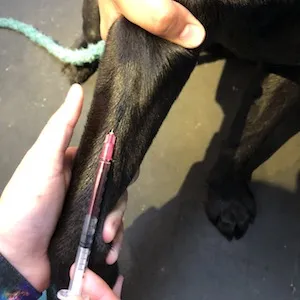 A veterinarian takes a blood sample from a dog for heartworm testing
Heartworm Pills for Cats: A Unique Challenge
Heartworm disease in cats differs significantly from that in dogs. Cats are considered atypical hosts, and most worms do not reach adulthood. Those that do typically number only one to three. However, even immature worms can cause serious damage, leading to Heartworm Associated Respiratory Disease (HARD), a condition that can mimic asthma or allergic bronchitis. Unlike dogs, there is no approved medication to treat adult heartworm infections in cats, making prevention with heartworm pills or other approved preventatives the only viable protection.
Symptoms and Diagnosis in Cats
Symptoms in cats can be subtle or dramatic, including coughing, asthma-like attacks, periodic vomiting, lack of appetite, or weight loss. Some cats may experience difficulty walking, fainting, seizures, or fluid accumulation in the abdomen. Tragically, the first sign in some cases can be sudden collapse or sudden death. Diagnosis is more complex in cats, often requiring a combination of antigen and antibody tests, X-rays, or ultrasound, in addition to a physical exam and blood work.
Prevention for Cats is Crucial
Because treatment options are severely limited and risky for cats, year-round prevention with monthly heartworm medicine for dogs (though the article refers to cats) is absolutely critical. These preventives, available in various forms including pills and topical spot-ons, prevent new infections from developing. Consistent veterinary care and discussion about suitable preventative options are essential for feline companions.
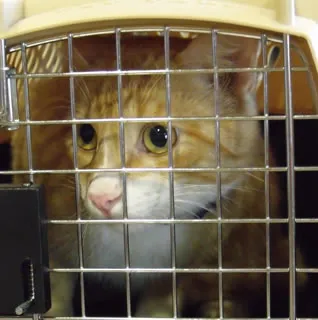 A cat receiving care inside a veterinary clinic, resting comfortably in a cage
Heartworm Pills for Ferrets: Small Size, Big Risk
Ferrets are highly susceptible to heartworm infection, sharing similarities with both canine and feline presentations of the disease. Like dogs, they can harbor larger worm burdens, but similar to cats, even a single worm can cause devastating disease due to their small heart size. Diagnosis is often challenging, and there is currently no approved treatment for heartworm in ferrets. Therefore, prevention with heartworm pills or other appropriate preventatives is imperative for all ferrets, whether indoor or outdoor.
Symptoms and Diagnosis in Ferrets
Symptoms in ferrets develop rapidly and include lethargy, open-mouth or rapid breathing, pale or muddy gum color, coughing, fluid in the lungs, decreased appetite, weight loss, hind leg paralysis, and an enlarged abdomen. Bilirubinuria (dark urine) is also common. Diagnosis requires a thorough physical exam, often combined with antigen testing and diagnostic imaging like echocardiography.
Lifelong Prevention for Ferrets
Given the difficulty in diagnosis and lack of approved treatment, lifelong, monthly prevention is crucial for ferrets. Your veterinarian can prescribe heartworm medication specifically approved for ferrets, ensuring they remain protected from this serious threat.
 A ferret in a domestic setting, showcasing its common appearance as a pet
What to Expect if Your Pet Tests Positive
A positive heartworm test can be distressing, but for dogs, successful treatment is often possible. For cats and ferrets, management focuses on supportive care and symptom control due to the lack of approved treatments.
For Dogs
If your dog tests positive for heartworms, your veterinarian will outline a detailed treatment plan:
- Confirm Diagnosis: An additional, different test is performed to confirm the initial positive result due to the complexity and cost of treatment.
- Restrict Exercise: Immediate and strict exercise restriction is vital, as physical exertion increases the damage caused by heartworms in the heart and lungs.
- Stabilize Condition: Before treatment begins, your dog’s condition may need to be stabilized with appropriate therapies, which can take several months in severe cases.
- Administer Treatment: The FDA-approved drug melarsomine is administered via injection in a veterinary hospital. This protocol, often guided by American Heartworm Society guidelines, includes several steps and other medications to improve success rates and reduce side effects. This might also include starting heartworm pills (preventives) two months prior to melarsomine injections to prevent new infections and reduce circulating microfilariae.
- Post-Treatment Testing and Prevention: Approximately nine months after treatment, a heartworm test confirms elimination. Lifelong heartworm prevention is then crucial to prevent re-infection.
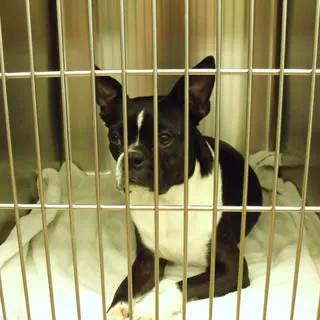 A dog recovering in a veterinary cage after treatment
For Cats and Ferrets
Due to the lack of approved treatments for heartworm in cats and ferrets, management focuses on stabilizing their condition and providing long-term supportive care.
- Diagnosis: Thorough diagnostic imaging and blood tests are used to assess the extent of the disease.
- Supportive Care: Hospitalization may be recommended for severe cases, including intravenous fluids, drugs to manage lung and heart symptoms, antibiotics, and general nursing care. Small doses of prednisolone may be used to reduce inflammation if mild symptoms are present.
- Monitoring: Regular chest X-rays (every 6-12 months) may be recommended if worms are detected in the lungs, even if no severe respiratory distress is apparent.
- Prevention is Paramount: Even after a positive diagnosis, continuing monthly heartworm prevention is crucial to prevent new infections, as these pets remain susceptible.
Prescription for Heartworm Pills: Why It’s Necessary
You will always need a prescription from a licensed veterinarian for heartworm pills. The U.S. Food and Drug Administration (FDA) mandates this. Before prescribing, your veterinarian will typically perform a heartworm test to ensure your pet doesn’t already have adult heartworms. Administering preventives to an infected pet can lead to rare but potentially severe reactions that could be harmful or even fatal. This necessary step ensures your pet’s safety and the efficacy of the treatment plan, protecting them from heartworm disease while also ensuring there are no adverse interactions with existing conditions. It’s a key part of responsible pet care, just like considering allergy pills for dogs itching or flea pills for dogs from vet when other parasitic or health concerns arise.
Dispelling Myths: Natural Prevention and Vaccines
At present, there is no commercially available vaccine for heartworm disease. Research is ongoing, but for now, prevention relies solely on regular, appropriate use of prescribed preventive medications. Similarly, only heartworm prevention products that are tested and proven effective by the FDA should be used. There is no scientifically effective “natural” prevention for heartworm disease. Relying on unproven methods can leave your pet vulnerable to this serious and often fatal condition. Always consult your veterinarian for safe and effective heartworm prevention strategies.
Conclusion
Heartworm disease is a grave threat to pets, but it is highly preventable. Consistent, year-round administration of heartworm pills or other veterinarian-prescribed preventatives is the most effective way to protect your dog, cat, or ferret. Regular veterinary check-ups and annual heartworm testing are equally important to ensure your pet remains healthy and free from this debilitating parasite. Do not delay in discussing the best heartworm prevention plan with your veterinarian; their expertise is invaluable in safeguarding your pet’s long-term health and well-being. Proactive prevention is the greatest gift you can give your beloved companion.
