
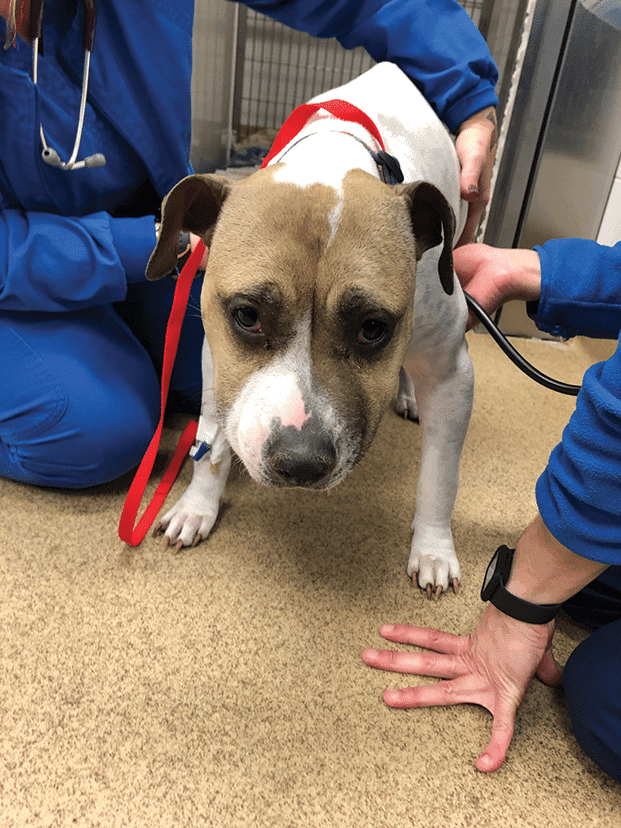
Furosemide, often referred to as a “water pill,” is a potent diuretic medication that plays a crucial role in managing fluid buildup in pets, particularly those suffering from congestive heart failure. By increasing urination, this drug helps the body eliminate excess fluid, thereby alleviating symptoms such as coughing and difficulty breathing, and reducing the workload on the heart. This comprehensive guide delves into the uses, administration, potential side effects, and necessary follow-up care for pets on furosemide.
Understanding Furosemide’s Role in Heart Failure
Congestive heart failure occurs when the heart is unable to pump blood effectively, leading to a backup of fluid in various parts of the body. This fluid accumulation, especially in the lungs, chest, and abdomen, can cause significant discomfort and distress for pets, manifesting as persistent coughing and labored breathing. Furosemide directly addresses this by acting as a diuretic, promoting the excretion of excess fluid and offering symptomatic relief. It is a cornerstone treatment for the majority of pets diagnosed with congestive heart failure, significantly improving their quality of life.
Administration and Dosage
Furosemide is available in several forms, including pills, an injectable liquid, and an oral liquid. However, many animals find the oral liquid unpalatable. The appropriate dosage is highly individualized, depending on each pet’s specific needs and response to the medication. Veterinarians strive to determine the lowest effective dose to manage symptoms, and this optimal dose may require adjustments over time as the pet’s condition evolves.
For dogs, treatment typically begins with one to two doses per day, which can be increased to three times daily if necessary, or even more frequently in emergency situations. Veterinarians may also adjust the amount of furosemide given with each dose. Cats with less severe heart failure may be started on a lower dose, administered once daily, twice daily, or even every other day, depending on their response.
Potential Side Effects and Precautions
As furosemide works by increasing fluid loss, an excessively high dose can lead to dehydration. Additionally, it can elevate kidney values, particularly in pets with pre-existing kidney disease or when the dosage is too high. Another potential side effect is a decrease in blood potassium levels, especially in pets that are not eating well.
It is imperative that pets on furosemide have constant access to fresh water. Increased urination is expected, particularly in the initial hours after a dose. This means owners should be prepared to take dogs outside more frequently or provide easy access to pee pads, and ensure litter boxes for cats are cleaned more often. For dogs, it’s advisable to avoid administering furosemide close to bedtime to prevent accidents or the need for đêm-time potty breaks.
Follow-up Care and Monitoring
Following the initiation of furosemide treatment, your veterinarian will likely schedule a follow-up appointment within 5-10 days. This visit will involve blood tests to measure kidney function (BUN and creatinine) and electrolyte levels (sodium, chloride, and potassium). Once these values stabilize, regular bloodwork checks are typically recommended every 3-6 months. It’s important to remember that your pet’s furosemide dosage may need to be modified as their heart disease progresses and symptoms change.
If your pet’s symptoms, such as coughing or difficulty breathing, worsen despite being on furosemide, contact your veterinarian immediately. For clients of specific veterinary services, such as Tufts, if your pet’s resting respiratory rate exceeds 35 breaths per minute, especially if accompanied by increased abdominal wall motion during breathing, an additional dose of furosemide may be administered. If breathing difficulties persist even after the extra dose, immediate emergency veterinary care is recommended.
