
Bringing a large-breed puppy into your home means preparing for a magnificent companion, but it also means understanding their unique developmental needs. Unlike their smaller counterparts, large-breed puppies undergo a dramatic growth spurt that requires a carefully balanced diet to support healthy development and minimize the risk of orthopedic issues. This article delves into why these specific dietary needs exist, what sets large-breed puppy foods apart, and how to make informed choices for your growing giant.
Why Do Large-Breed Puppies Need Special Diets?
The most apparent difference between large-breed puppies and smaller dogs is their eventual size. However, this size difference is a result of selective breeding, emphasizing traits like stature. To reach their impressive adult size, large-breed puppies must grow at an accelerated rate. While they continue growing for a longer period—18 to 24 months compared to 10 to 12 months for smaller breeds—their growth velocity is significantly higher. This rapid development increases their susceptibility to serious developmental orthopedic diseases (DOD) such as hip dysplasia, elbow dysplasia, and osteochondritis dissecans. While genetics also plays a role, managing their growth rate through diet is a crucial factor that owners can control at home. By adjusting their nutrition, owners can slow down the growth rate, thereby reducing the risk of these debilitating conditions. The goal isn’t to stunt their growth, but rather to ensure they reach their full potential at a healthier pace.
How Are Large-Breed Puppy Foods Different From Other Puppy Food?
Several key nutritional adjustments differentiate large-breed puppy foods from standard puppy formulas and adult dog food.
Calcium
A critical component in bone development, calcium levels are precisely regulated in large-breed puppy foods. The Association of American Feed Control Officials (AAFCO) revised its guidelines in 2018, establishing a lower maximum calcium level for foods specifically designed for large breeds to be considered “complete and balanced.” This targeted approach aims to moderate the rapid growth rate, which is a significant risk factor for DOD. While the minimum calcium requirements remain the same, this adjustment creates a narrower, safer range for large-breed puppies.
Phosphorus
Working in tandem with calcium for bone formation, phosphorus levels are also carefully managed. Quality large-breed puppy foods typically contain slightly less phosphorus and maintain a more controlled calcium-to-phosphorus ratio compared to general puppy foods. This balanced ratio further supports skeletal health during the critical growth phases.
Fat and Calories
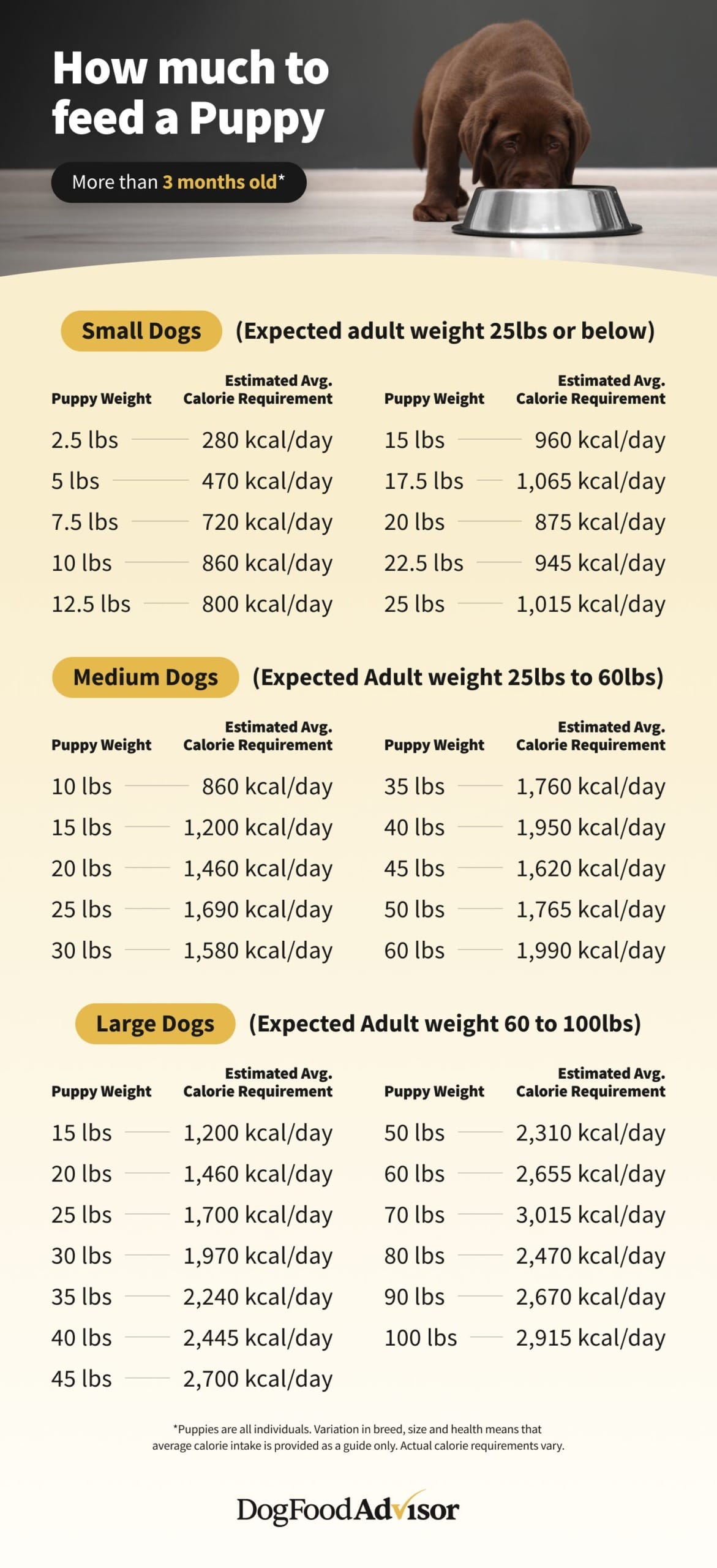
Maintaining a lean body condition is paramount for large-breed puppies to prevent undue stress on their developing bones and joints. Consequently, large-breed puppy foods often contain reduced levels of fat and are less calorie-dense than foods formulated for smaller breeds. Overfeeding, even with a large-breed specific food, can counteract the benefits and contribute to excess weight gain, negating the protective effects on their skeletal system. This makes it essential for owners to follow feeding guidelines and monitor their puppy’s body condition closely.
Can I Just Give My Large-Breed Puppy an Adult Dog Food?
Absolutely not. It’s a common misconception, but puppies, regardless of their size, have higher nutritional requirements than adult dogs. They need increased levels of protein, specific amino acids, fats, fatty acids, electrolytes, and certain minerals to support their rapid development. Adult dog food, even if formulated for large breeds, does not meet these elevated puppy-specific needs, potentially leading to nutritional deficiencies. Large-breed puppy foods are specifically engineered to meet these heightened demands while implementing the necessary adjustments to ensure a healthy growth rate.
Choosing a Puppy Food for Large Breeds
Selecting the best food for your large-breed puppy is a crucial decision that warrants careful consideration. Consulting with your veterinarian is the most reliable way to determine the ideal diet for your individual puppy. They can assess your puppy’s specific needs and recommend appropriate products.
When reviewing labels, look for the following indicators of a high-quality large-breed puppy food:
- AAFCO Statement of Nutritional Adequacy: Ensure the label includes one of the following statements:
- “[Dog Food Name] is formulated to meet the nutritional levels established by the AAFCO Dog Food Nutrient Profiles for growth, including growth of large-size dogs (70 pounds or more as an adult).”
- “[Dog Food Name] is formulated to meet the nutritional levels established by the AAFCO Dog Food Nutrient Profiles for all life stages, including growth of large-size dogs (70 pounds or more as an adult).”
- Minimum Protein Level: A minimum protein level of at least 25% on a dry matter basis, as stated on the Guaranteed Analysis. High protein content is essential for muscle development.
- High-Quality Protein Sources: Ingredients such as chicken, chicken meal, salmon meal, lamb, turkey, and egg should be listed at the top of the ingredient list, signifying their prominence in the formula.
- Added DHA: Docosahexaenoic acid (DHA) is a vital omega-3 fatty acid that supports healthy brain and eye development, and its inclusion is beneficial for growing puppies.
How Long Should You Feed Puppy Food to Large Breeds?
The transition from puppy food to adult dog food should occur once a large-breed puppy has reached its full adult height. However, the timing varies depending on the breed. Generally, large breeds can switch to adult food between 12 to 18 months of age. For giant breeds, defined as those weighing 90 pounds or more when fully grown, continuing with a large-breed puppy food until approximately 24 months old may be beneficial. Your veterinarian is the best resource to help you determine the optimal time for this dietary transition, ensuring continued support for your dog’s health.
Featured Image: iStock/ChristopherBernard
