
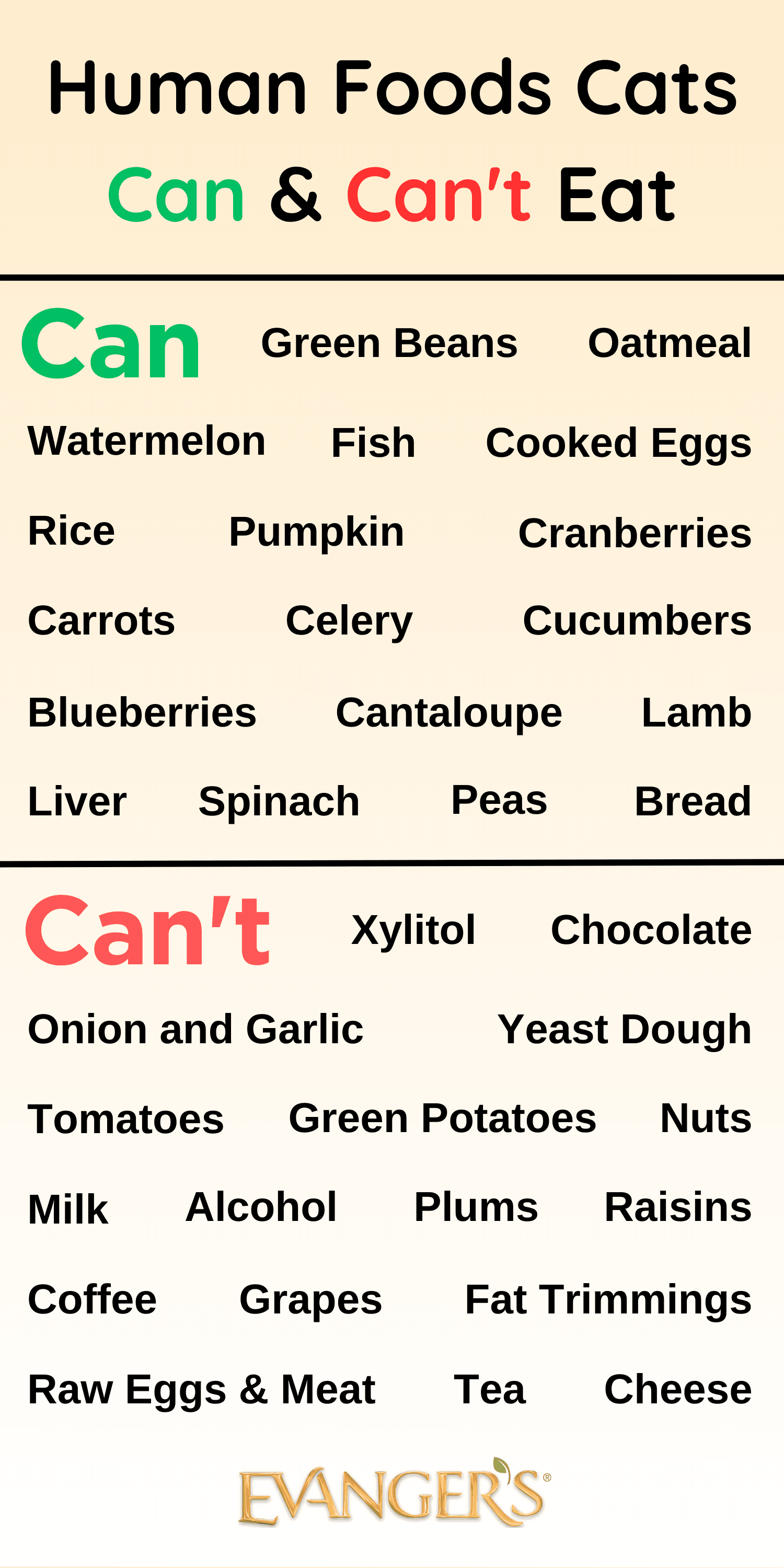
As devoted cat parents, it’s natural to want to share the delicious food we enjoy with our feline companions. However, while some human foods are safe for cats in moderation, others can be harmful or even life-threatening. Understanding which foods are safe and how to offer them is crucial for your cat’s well-being. This guide will explore the types of human foods that cats can eat, focusing on meats, vegetables, and fruits, while also highlighting dangerous foods to avoid. Remember, these treats should only be occasional snacks and a small part of your cat’s overall balanced diet. Always consult your veterinarian before introducing any new food to your cat’s diet, especially if your pet has existing health concerns or is on a prescription diet.
Protein-Rich Meats: A Carnivore’s Delight
Cats are obligate carnivores, meaning their bodies are designed to thrive on a meat-based diet. Commercial cat foods are formulated with meat as a primary ingredient, and when it comes to safe treats, cooked meats are an excellent and nutritious choice. However, it’s essential to follow specific guidelines:
- Avoid raw meat: Raw meat can harbor harmful bacteria, leading to illness in your cat.
- No bones: Cooked bones can splinter and cause internal injuries, so always remove them before offering meat to your cat.
- Consult your vet: Always seek professional advice from your veterinarian to confirm the safety and appropriateness of any human food you consider giving your cat.
Chicken and Turkey: Feline Favorites
Chicken and turkey are not only popular flavors among cats but also excellent sources of lean protein and relatively low in calories. When preparing these for your cat:
- Ensure they are thoroughly cooked – baking or boiling are preferred methods, and deep-frying should be avoided.
- Remove all skin and bones.
- Do not add any herbs, butter, oils, or other seasonings, as these can be harmful to cats.
- Offer these in small portions, about a 1-inch cube, as an occasional treat.
The Benefits of Fish
Many cats enjoy the taste of fish, and when prepared correctly, it can be a healthy addition to their diet.
- Cooked fish is best: Ensure all fish is cooked thoroughly, with skin and bones removed.
- Oily fish advantages: Varieties like mackerel and tuna are rich in omega-3 fatty acids, which can be beneficial for cats with certain health conditions, such as arthritis or kidney disease.
- Leaner options: While white fish like cod are safe, they lack the beneficial fatty acids found in oily fish.
- Portion control: A 1-inch cube of properly prepared fish can serve as a nutritious daily treat for healthy cats. Discuss incorporating fish or fish oil supplements with your veterinarian.
Beef: A Savory Option
Lean cuts of beef can also be a safe and appealing treat for healthy cats.
- Prepare beef with no added flavorings.
- Trim excess fat and ensure all bones are removed.
- Cook the meat thoroughly.
- A 1-inch cube of well-cooked beef can be offered as a daily snack.
Vegetables: A Cautious Addition
While vegetables are not a nutritional necessity for cats, as they are for humans, some cats may show interest. If your cat is curious, you can offer small amounts of certain cooked vegetables. However, always watch for signs of gastrointestinal upset, as cats do not metabolize vegetables as efficiently as humans.
Broccoli Boost
Cooked broccoli, whether steamed or boiled, can be a safe snack for cats. Its high fiber content may help with digestive issues like constipation or diarrhea.
- Offer only plain, thoroughly cooked broccoli.
- Limit portions to a ½-inch cube once or twice a week.
Peas Please
Peas can be offered to cats if they are plain and cooked (steamed, boiled, or baked).
- Avoid any added salt or butter.
- Limit intake to three or four peas, offered once or twice weekly.
- Monitor for any signs of vomiting or diarrhea.
Sweet Potato Power
Cooked sweet potatoes offer a good source of fiber, potassium, and vitamins A and C. Pureeing them can make an appealing food topper.
- Boil and puree sweet potatoes for easier digestion.
- Keep portions small, less than 1 tablespoon.
Fruits: For the Feline Sweet Tooth
Some cats enjoy a bit of sweetness, but fruits should be offered sparingly due to their high sugar content. Use caution if your cat has diabetes or pancreatitis.
- General Safety: Most fruits are safe in moderation, but watch for digestive upset.
- Pumpkin’s Role: Pureed pumpkin, without any added spices, is often recommended for cats experiencing stool irregularities due to its high fiber content. Consult your vet for appropriate amounts. For a healthy cat, 1 tablespoon a few times a week is generally acceptable. Never feed raw pumpkin, as it can cause obstructions.
- Watermelon Wonder: Seedless and rindless watermelon can be a hydrating treat due to its electrolytes, but its high sugar content means it should be limited to a ½-inch cube once or twice a week.
- Berry Benefits: Strawberries and blueberries are rich in nutrients, but cats can only digest small amounts, providing minimal nutritional impact. If offered, limit to a small portion of a washed berry or a few blueberries per week.
- Banana Bites: Bananas offer vitamins and potassium but are high in sugar and carbohydrates. If your vet approves, a ¼-inch slice per week is a safe limit, provided it doesn’t cause digestive issues.
Foods to Absolutely Avoid
While many human foods can be shared, some are toxic to cats and should be strictly avoided:
- Chocolate: Especially dark chocolate.
- Onions and Garlic: Highly toxic to cats.
- Nuts: Particularly macadamia nuts and walnuts.
- Grapes and Raisins: Can cause kidney failure.
- Caffeine: Found in coffee, tea, and some sodas.
- Dairy Products: Most adult cats are lactose intolerant.
- Xylitol: An artificial sweetener found in sugar-free products.
- Alcohol and Raw Dough: Extremely dangerous.
- Raw Meats and Fish: Risk of bacterial contamination.
Smart Tips for Feeding Human Food
- Portion Control is Key: Overfeeding any treat can lead to stomach upset and obesity.
- Complement, Don’t Replace: Use human foods as healthy additions to your cat’s balanced diet.
- Freeze for Convenience: Small portions of pureed meats can be frozen for easy thawing as food toppers.
- Engage with Food Puzzles: Food puzzles can provide mental stimulation and a fun way for your cat to enjoy treats.
- Make it a Game: Hiding treats can add an element of play and hunting instinct.
- High-Value Rewards: Use safe human foods as rewards during training sessions.
By understanding what human foods are safe and what to avoid, you can responsibly share small, occasional treats with your feline friend, enhancing your bond and ensuring their continued health and happiness.
