
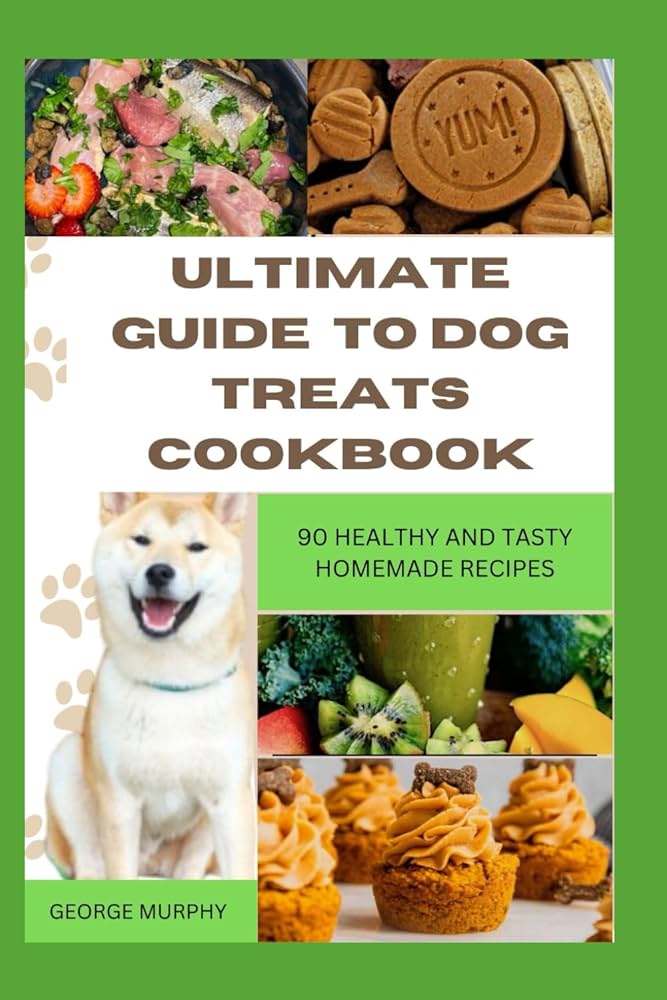
Teaching your dog new tricks and reinforcing good behavior is one of the most rewarding aspects of pet ownership. It builds a stronger bond between you and your canine companion, and makes everyday life smoother. But what exactly makes a dog treat healthy, especially when you’re using them frequently for training? It’s a question many dog parents grapple with. You want something that motivates your pup, but you also want to ensure you’re not compromising their health. This guide is here to demystify the world of Healthy Dog Treats For Training, ensuring your training sessions are both effective and beneficial for your dog’s well-being.
Understanding the “Healthy” in Dog Treats
When we talk about healthy dog treats for training, we’re looking beyond just the yum factor. A healthy training treat should primarily be:
- Nutrient-Dense: It should offer some nutritional value, not just empty calories. This means looking for treats made with whole ingredients like lean meats, vegetables, or fruits.
- Low in Unhealthy Additives: Avoid treats packed with artificial colors, flavors, preservatives, excessive fillers like corn, wheat, or soy (especially if your dog has sensitivities), and high levels of sugar or salt.
- Appropriate for Frequent Consumption: Since training involves using treats often, they should be small, low in calories, and easy to digest. This prevents overfeeding and potential stomach upset.
- Palatable: Of course, the treat has to be appealing to your dog! High-value treats often contain real meat or cheese, which dogs find irresistible.
The Role of Treats in Dog Training
Treats are powerful motivators in positive reinforcement training. They act as a reward, strengthening the association between a desired behavior and a positive outcome. This encourages your dog to repeat that behavior. For effective training, consider these points:
- High-Value vs. Low-Value Treats: High-value treats (like small pieces of chicken, cheese, or specialized training treats) are best for learning new, complex behaviors or when there are many distractions. Low-value treats (like basic kibble or simple biscuits) can be used for reinforcing known behaviors in a quiet environment.
- Timing is Crucial: Reward your dog immediately after they perform the correct behavior. This helps them understand exactly what they’re being praised for.
- Portion Control: Training treats should be tiny – about the size of a pea or a small thumbnail. This prevents your dog from filling up too quickly and becoming less interested in training, or gaining unwanted weight. You can find many options for best healthy dog treats for training.
What to Look For in Healthy Training Treats
Navigating the pet store aisle can be overwhelming. Here’s a checklist to help you choose wisely:
Ingredient List Decoder
- Prioritize Real Meat: Look for treats where a specific meat (chicken, beef, lamb, turkey, fish) is listed as the first ingredient. This indicates it’s a primary component.
- Whole Grains & Vegetables: Ingredients like brown rice, oats, sweet potatoes, peas, carrots, and blueberries can add fiber, vitamins, and antioxidants.
- Natural Preservatives: Ingredients like mixed tocopherols (Vitamin E), rosemary extract, or citric acid are generally considered safe and natural alternatives to artificial preservatives.
- What to Avoid: Be wary of vague terms like “meat by-products” without further specification, artificial colors (Red 40, Yellow 5, Blue 2), artificial flavors, BHA, BHT, ethoxyquin, and excessive amounts of corn, wheat, or soy.
Calorie Count Matters
A good training treat should be low in calories. A general guideline is to keep treats under 10 calories each. If your dog is small or you plan on extended training sessions, aim for even lower, around 3-5 calories per treat. This is where low fat dog training treats become a valuable option.
Size and Texture
- Bite-Sized: As mentioned, small is key. Many commercial training treats are specifically designed to be small and easily breakable.
- Texture: Some dogs prefer crunchy treats, while others go for softer, chewier ones. Consider your dog’s preference, but also think about how easy the treat is to chew quickly during training. Too hard and they might take too long to consume; too soft and they might become a crumbly mess in your pocket.
Top Picks: Types of Healthy Training Treats
Let’s explore some popular categories and considerations for healthy dog training treats:
1. Commercial Training Treats
The market is flooded with options. Look for brands that are transparent about their ingredients and manufacturing processes. Many reputable brands offer specifically formulated training treats that are small, low-calorie, and made with wholesome ingredients. Some brands even cater to specific dietary needs, such as grain-free or limited-ingredient options. Searching for “healthy training treats for dogs homemade” can also lead you to quality commercial brands that prioritize natural ingredients.
Pros:
- Convenient and readily available.
- Designed specifically for training (small, low-calorie).
- Often shelf-stable.
Cons:
- Can be expensive.
- Ingredient quality can vary widely – careful label reading is essential.
- Some dogs may have sensitivities to certain commercial formulations.
2. Natural, Whole Food Options
You probably already have some healthy options in your kitchen!
- Cooked Lean Meats: Small pieces of boiled or baked chicken breast, turkey, or lean beef (unseasoned) are excellent high-value treats. Ensure they are plain and fully cooked.
- Cheese: Small cubes of low-fat cheese like cheddar or mozzarella can be highly motivating. Use sparingly due to fat content.
- Fruits & Vegetables: Certain fruits and vegetables are safe and healthy for dogs in moderation. Examples include:
- Sweet Potato: Cooked and cubed. Rich in vitamins.
- Carrots: Raw or lightly steamed. Good for dental health and packed with Vitamin A.
- Blueberries: A fantastic source of antioxidants.
- Apple Slices: (Remove seeds and core, as seeds contain cyanide). Good source of fiber and vitamins.
- Peas: Steamed or raw.
Pros:
- You know exactly what you’re feeding your dog.
- Often more cost-effective.
- Can be customized to your dog’s preferences and dietary needs.
Cons:
- Requires preparation time.
- Some fresh foods can spoil quickly and require refrigeration.
- Not all human foods are safe for dogs; research thoroughly.
3. Freeze-Dried Treats
These treats are made by freeze-drying raw meat, poultry, or fish. This process removes moisture while preserving nutrients and flavor. They are often single-ingredient, making them a great choice for dogs with allergies or sensitivities. They tend to be lightweight and easy to break into smaller pieces.
Pros:
- Highly palatable.
- Excellent source of protein.
- Often single-ingredient and free from fillers.
- Long shelf life.
Cons:
- Can be more expensive than other options.
- Some dogs might find them too hard or crumbly.
DIY: Homemade Healthy Training Treats
Making your own training treats allows for complete control over ingredients and can be a fun, cost-effective way to ensure your dog is getting the best. Here’s a basic recipe idea:
Simple Peanut Butter & Oat Treats
Ingredients:
- 1 cup oat flour (or finely ground rolled oats)
- 1/2 cup unsweetened, natural peanut butter (ensure it does NOT contain Xylitol, which is toxic to dogs)
- 1/4 cup unsweetened applesauce or pureed pumpkin
- 1 egg
- Optional: A sprinkle of cinnamon for flavor and potential health benefits.
Instructions:
- Preheat oven to 350°F (175°C). Line a baking sheet with parchment paper.
- In a large bowl, mix the oat flour and peanut butter until well combined.
- Add the applesauce (or pumpkin), egg, and cinnamon (if using). Mix until a stiff dough forms.
- On a lightly floured surface, roll out the dough to about 1/4 inch thickness.
- Use small cookie cutters or a knife to cut out tiny shapes. For training, aim for pea-sized or slightly larger.
- Place the treats on the prepared baking sheet.
- Bake for 15-20 minutes, or until firm. For extra crunch, you can turn off the oven and leave them inside to cool completely.
- Allow to cool completely before serving or storing. Store in an airtight container in the refrigerator for up to a week, or freeze for longer storage.
This recipe provides a good base, and you can experiment with adding other dog-safe ingredients like finely grated carrots or mashed banana. Exploring recipes for healthy dog training treats can give you plenty of inspiration.
Considerations for Specific Dietary Needs
- Allergies and Sensitivities: Many dogs suffer from common allergies to ingredients like chicken, beef, grains, or dairy. If your dog has known allergies, opt for single-ingredient freeze-dried treats, limited-ingredient commercial treats, or homemade options using novel proteins (like duck, venison, or rabbit) and alternative flours (like coconut or chickpea flour). Always consult your veterinarian if you suspect allergies.
- Weight Management: Overweight dogs need very low-calorie treats. Look for options specifically labeled as “low-calorie” or “weight management.” Using small pieces of raw vegetables like cucumber or green beans can be a great way to add volume without significant calories.
- Puppies: Puppies have sensitive stomachs and developing teeth. Opt for softer, smaller treats that are easily digestible. Avoid overly hard treats that could be a choking hazard. Many brands offer puppy-specific training treats.
- Senior Dogs: Older dogs may have dental issues or decreased mobility. Softer, chewy treats are often easier for them to manage. Ensure the treats support joint health if possible, with ingredients like glucosamine or chondroitin.
Incorporating Treats Wisely into Your Dog’s Diet
Even healthy treats contribute to your dog’s overall daily caloric intake. Here’s how to manage this:
- Adjust Meal Portions: If you use a significant number of treats during training, consider slightly reducing the amount of their regular dog food at their next meal to avoid overfeeding.
- Use Kibble as Treats: For basic commands in a low-distraction environment, your dog’s regular kibble can often serve as a perfectly acceptable reward. This is especially helpful for weight management.
- Consult Your Vet: If you’re unsure about the best treats for your dog’s specific health needs or dietary requirements, always consult your veterinarian. They can provide personalized recommendations.
Conclusion: Rewarding Behavior, Responsibly
Choosing the right healthy dog treats for training is about finding that sweet spot between effective motivation and nutritional responsibility. By understanding ingredient labels, being mindful of calorie counts, and considering your dog’s individual needs, you can make informed choices. Whether you opt for high-quality commercial treats, simple kitchen staples, or delightful homemade creations, the goal is always to support your dog’s training journey and overall health. Remember, consistent training with appropriate rewards is a cornerstone of a happy, well-behaved dog and a stronger human-animal bond. So go ahead, celebrate those successes with a healthy reward – your pup deserves it! Exploring best healthy dog treats is a great start to finding the perfect motivation.
