
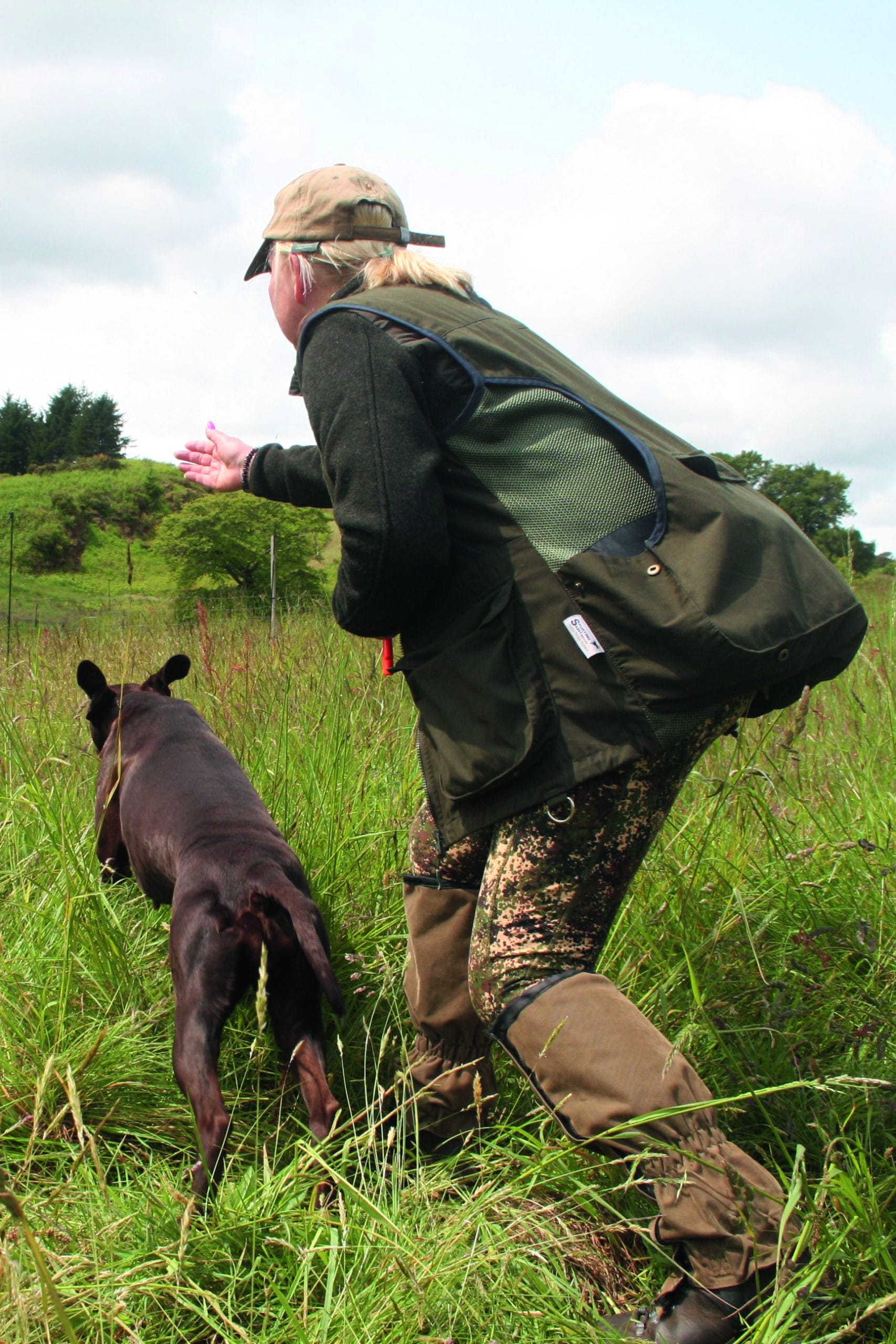
As devoted dog parents, we’re always looking for ways to deepen the bond with our furry companions and guide them towards good behavior. One of the most effective and enjoyable methods is positive reinforcement training, and at its heart are the irresistible Healthy Dog Training Treats. These small, power-packed rewards are more than just snacks; they’re the currency of communication, the motivators behind learned behaviors, and a delightful way to show your dog some extra love. Understanding what makes a treat truly “healthy” and “effective” for training is key to unlocking your dog’s full potential and ensuring their overall well-being.
The Science Behind the Snack: Why Training Treats Matter
Training a dog is a journey of clear communication and consistent reinforcement. When your dog performs a desired action – like sitting on command, staying put, or coming when called – a well-timed treat acts as a powerful positive signal. This immediate reward helps your dog associate the action with a pleasant outcome, making them more likely to repeat it. But not all treats are created equal.
What Makes a Training Treat “Healthy”?
The term “healthy dog training treats” implies a focus on nutritional value and suitability for frequent consumption. This means looking beyond just taste and considering:
- Quality Ingredients: Opt for treats made with whole, recognizable ingredients. Look for a good source of protein (like chicken, beef, lamb, or fish) as the first ingredient. Avoid artificial colors, flavors, preservatives, and excessive fillers like corn, wheat, or soy, especially if your dog has sensitivities.
- Appropriate Size: Training treats should be small, typically pea-sized or slightly larger. This allows for multiple rewards during a training session without contributing significantly to your dog’s daily caloric intake, preventing overfeeding and potential weight gain.
- Digestibility: For dogs with sensitive stomachs or allergies, hypoallergenic or limited-ingredient treats are crucial. Look for options that are easily digestible to minimize the risk of upset tummies.
- Nutritional Balance: While treats aren’t a meal replacement, they shouldn’t be nutritionally empty. Some training treats are fortified with vitamins and minerals, offering added benefits.
Beyond the Basics: Low-Fat and Sensitive Options
For dogs who need to watch their waistline or have delicate digestive systems, specialized treats are a lifesaver. Low fat dog training treats are formulated with reduced fat content, making them ideal for frequent use without adding excess calories. Similarly, best training treats for dogs with sensitive stomachs are crafted with easily digestible proteins and minimal common allergens, ensuring that training remains a positive experience for even the most delicate pups.
Choosing the Right Treats for Your Training Goals
The “best” training treat is often subjective and depends on your individual dog’s preferences and needs. However, certain types of treats excel in various training scenarios.
For Basic Obedience and Daily Reinforcement
For everyday training and reinforcing basic commands like “sit,” “stay,” or “come,” small, palatable, and relatively low-calorie treats are perfect. Their size ensures you can deliver many rewards without overfeeding, and their appealing taste keeps your dog engaged. This is where a good bag of healthy dog training treats can significantly speed up the learning process.
For Advanced Training and Specific Skills
When tackling more complex training, such as agility, scent work, or specialized tasks like learning to teach a dog to go to bed, you might need treats that are extra enticing. These could be higher-value treats – perhaps with a stronger scent or a more desirable flavor, like freeze-dried liver or small pieces of cooked chicken (ensure these are plain and unseasoned).
For Dogs with Dietary Restrictions
If your dog suffers from allergies or a sensitive stomach, sourcing the right treats becomes paramount. Look for treats specifically labeled as hypoallergenic, grain-free, or formulated for sensitive digestion. These often use novel proteins (like duck, venison, or rabbit) and avoid common triggers.
Integrating Treats Seamlessly into Your Training Routine
Treats are a tool, and like any tool, they’re most effective when used correctly.
Timing is Everything
Deliver the treat immediately after your dog performs the desired behavior. This creates a clear association. If you wait too long, your dog might not connect the reward with the action.
The Value Ladder
Not all rewards are equal in your dog’s eyes. Reserve the highest-value treats (the super special ones) for the most challenging behaviors or when you need maximum motivation. Use everyday healthy dog training treats for simpler tasks. This “value ladder” keeps your dog excited about training and encourages them to work for different levels of reward.
Avoid Treat Dependence
While treats are fantastic motivators, the ultimate goal is for your dog to obey commands because they understand and want to please you, not just for the immediate edible reward. Gradually phase out treats as the behavior becomes reliable, replacing them with verbal praise, petting, or a favorite toy. However, continue to use treats periodically to maintain the behavior and as a special reward for exceptional effort.
Beyond Treats: A Holistic Approach to Dog Well-being
While healthy dog training treats play a vital role, they are just one component of a happy, healthy dog’s life.
Nutrition and Diet
A balanced diet is the foundation of good health. Ensure your dog’s primary food is high-quality and appropriate for their age, breed, and activity level. Discuss any concerns about your dog’s diet or weight with your veterinarian.
Exercise and Mental Stimulation
Regular physical activity and mental challenges are crucial for preventing behavioral issues and maintaining overall health. Activities like fetch, puzzle toys, and even training sessions themselves provide necessary stimulation. For owners interested in specific activities, understanding how to train dog to hunt sheds or engaging in dog training lessons petsmart offers structured ways to channel a dog’s energy and intelligence.
Veterinary Care
Routine check-ups, vaccinations, and prompt attention to any health concerns are non-negotiable. Your vet can also provide guidance on appropriate treat usage and recommend specific products if your dog has health issues.
The Joy of a Well-Trained Companion
Investing in healthy dog training treats is an investment in your relationship with your dog. It’s about effective communication, mutual understanding, and building a foundation of trust and positive experiences. Whether you’re teaching basic manners or embarking on more advanced training, the right treats will make the journey more enjoyable and successful for both you and your beloved canine. Remember, a happy dog is a healthy dog, and a well-trained dog is a joy to live with.
