
A cat’s fur is more than just a beautiful feature; it’s a vital part of their overall health and well-being. Acting as a natural insulator, it protects your feline friend from temperature fluctuations, shields their skin from external injuries, and even aids in camouflage from predators and prey. Understanding the different types of cat fur and what constitutes a healthy coat is crucial for every cat owner. This guide will delve into the various layers of a cat’s coat, signs of a healthy coat, factors influencing its condition, and essential grooming tips to ensure your kitty shines.
Kinds of Cat Fur
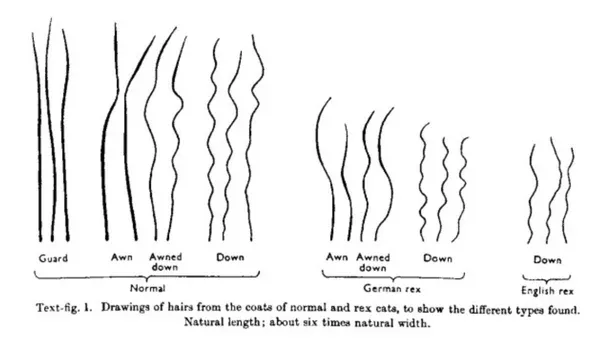
Cats boast an impressive density of fur, with an average of 60,000 hairs per square inch on their back and up to 120,000 on their underside. This luxurious coat is comprised of four distinct types of hair, each serving a specific purpose:
- Guard Hair: This is the longest and outermost layer of fur. Its primary role is to protect the cat from the cold and prevent water from immediately soaking through to the skin.
- Down Hair: Forming the dense undercoat, down hair is shorter and softer than guard hair. It provides essential warmth and acts as a barrier against extreme weather conditions.
- Awn Hair: Situated between the guard and down hair, awn hair is responsible for your cat’s unique coloring and patterns. It contributes to insulation and protects the softer undercoat.
- Vibrissae or Whiskers: These are the long, thick, tactile hairs found on a cat’s muzzle, above the eyes, on the cheeks, and on the outer sides of their lower legs. Whiskers are crucial sensory tools, helping cats gauge tight spaces, navigate in the dark, and even detect scents.
 healthy cat fur
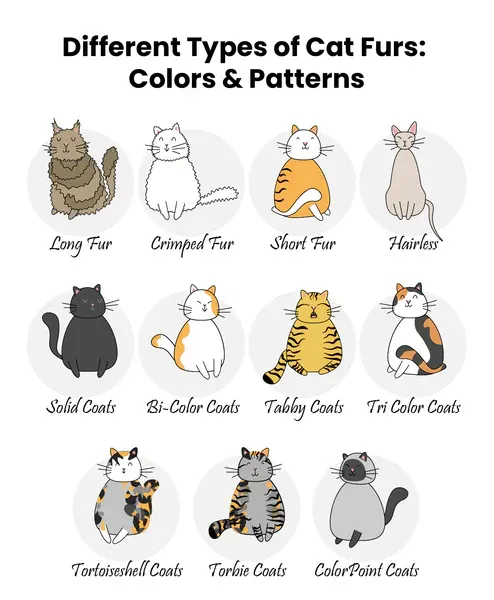
These specialized layers work together to provide comprehensive protection and perform vital functions within the cat’s integumentary system. Regardless of breed or coat type, the condition of a cat’s fur and skin is a significant indicator of their overall health. Learning to recognize the signs of a Healthy Cat Coat and understanding the factors that influence it are key to responsible pet ownership.
 healthy cat coat
How to Know If Your Kitty Has a Healthy Coat?
According to Dr. Tammy Hunter, a veterinarian, “A healthy coat should be shiny and smooth, not coarse or brittle, and healthy skin should be supple and clear, not greasy, flaky, or bumpy.” Beyond these visual cues, observing your cat’s shedding patterns can also provide valuable insights.
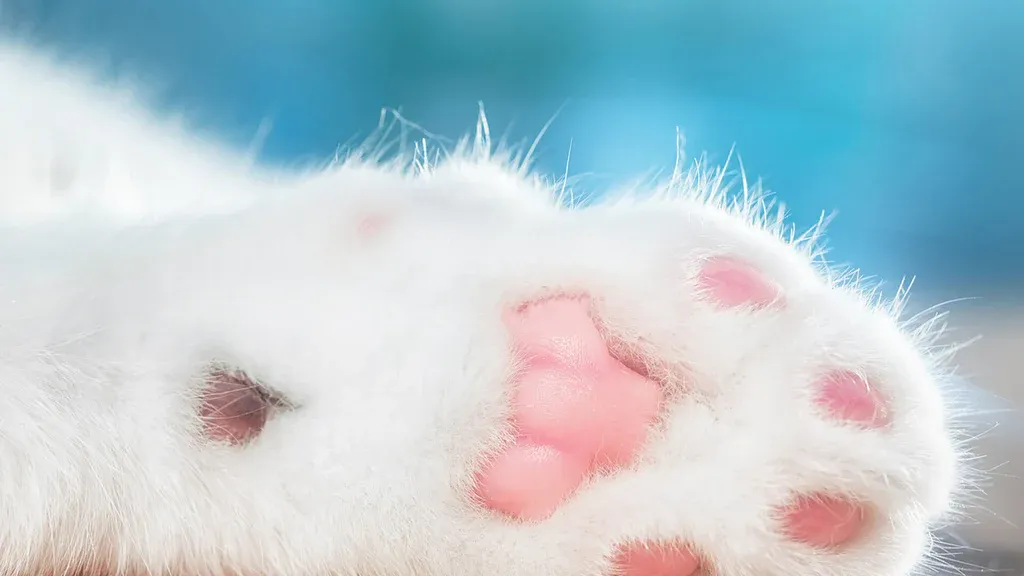
Cats naturally shed their fur daily, with larger shedding cycles typically occurring in spring and autumn as they adapt to seasonal temperature changes. While shedding is normal, excessive hair loss can signal underlying issues such as allergies, parasites, stress, skin irritation, or ringworm.
It is highly recommended to regularly observe your cat’s coat condition. Keeping notes or taking photos of its quality, appearance, and any skin symptoms can help you track changes and address potential problems promptly.
 cat fur shedding pattern
What Can Influence Your Cat’s Fur Condition?
A cat’s fur condition is influenced by both internal factors like health and nutrition, and external care such as regular grooming.
Diet and Nutrition
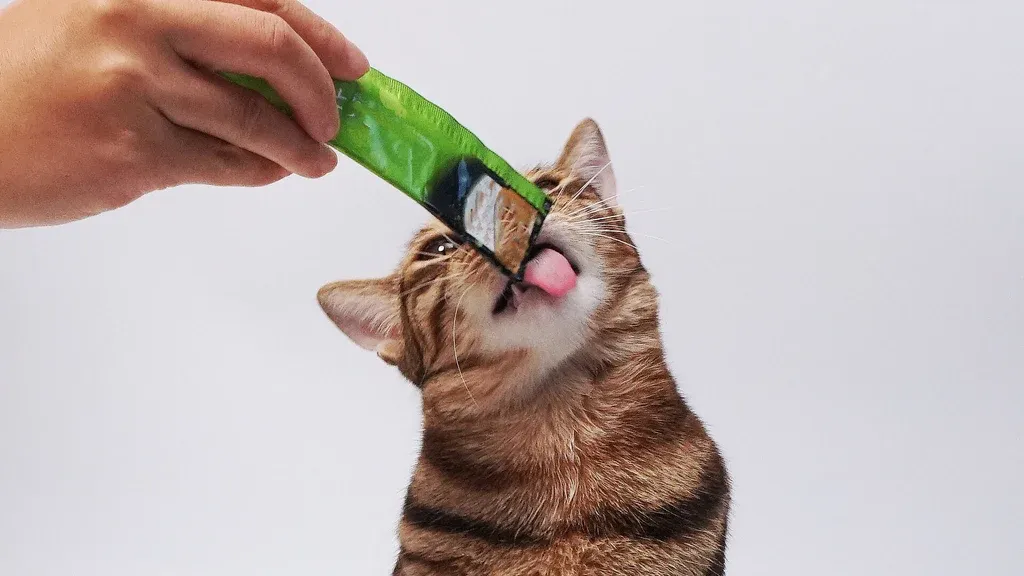
Inadequate nutrition can lead to a dry, dull coat. Since a cat’s hair is primarily composed of protein, a diet rich in high-quality protein is essential for maintaining strong, lustrous fur. Foods that also contain healthy fats, carbohydrates, a balanced mix of vitamins and minerals, and sufficient calories are vital for restoring a lackluster coat.
 cat eating nutritious food
Medical Conditions and Stress
Illness and stress can significantly impact the appearance of a cat’s coat. Many cats will shed more when experiencing stress. Furthermore, certain medical conditions, including metabolic problems, allergic skin reactions, or kidney disease, can negatively affect fur quality.
Do You Want Your Cat to Have a Healthy Cat Coat? Take Care of the Grooming!
While cats are naturally adept at self-grooming, regular brushing and grooming by their owners can greatly benefit the health and appearance of their coat. Daily brushing helps remove loose hairs, dead skin cells, dirt, and excess grease. It also distributes natural oils throughout the fur, promoting a healthy sheen and increasing blood circulation. Cats with long hair benefit most from daily brushing to prevent mats and tangles, while short-haired breeds may require less frequent attention.
The frequency of bathing a cat depends on various factors, including age, health, and lifestyle. Cats that struggle with self-grooming, such as overweight cats, those with arthritis, or sick and depressed felines, will require more frequent cleaning. As Dr. Hunter advises, “If you find that your cat requires frequent bathing, your veterinarian may recommend the use of a ‘dry shampoo’ or a special therapeutic shampoo and conditioning rinse so that your furry friend does not develop skin problems associated with the repeated baths.” You might also find wipes for cats to be a convenient option for maintaining cleanliness.
In conclusion, a healthy cat coat is a reflection of your cat’s overall well-being. By understanding the different types of fur, recognizing the signs of a healthy coat, and implementing a consistent grooming routine tailored to your cat’s needs, you can help ensure your feline companion remains vibrant, comfortable, and healthy from the inside out.
