
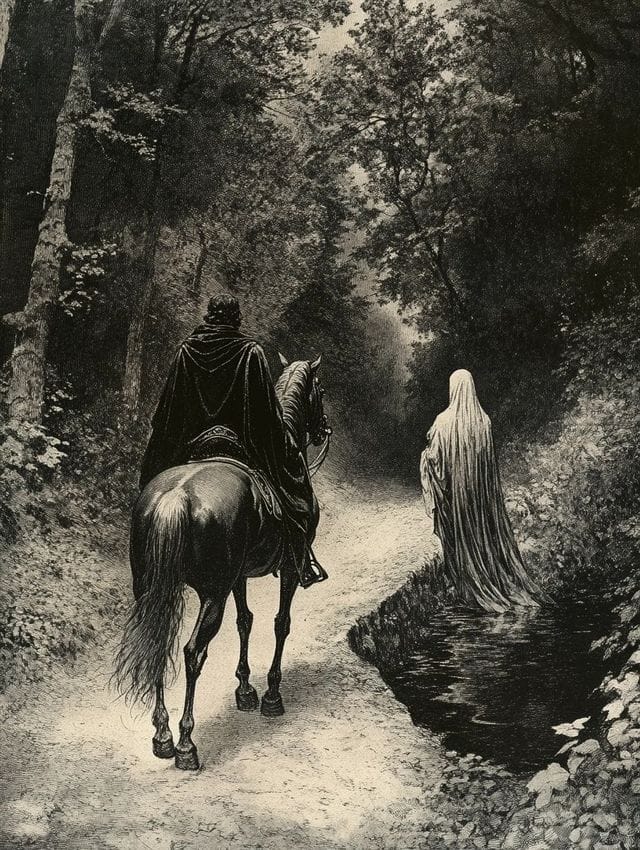
The image of a horse has long galloped through human history, appearing in myths, legends, and everyday life. From ancient tales of steeds blessed with divine powers to the humble farm horse that toiled the land, these creatures have always held a special place in our hearts and stories. The concept of a “head horse” often evokes a sense of leadership, destiny, or a central figure within a narrative, much like a lead mare guiding her herd or a revered stallion in folklore. Exploring these narratives offers a fascinating glimpse into how different cultures have viewed these magnificent animals and the roles they played.
The Horse in Mythology and Folklore
Across the globe, horses have been imbued with supernatural qualities and central roles in creation myths and epic journeys. In Greek mythology, Pegasus, the winged stallion, sprang from the blood of Medusa and became a symbol of poetic inspiration and divine heroism. His story, often intertwined with the hero Bellerophon, highlights the horse as a messenger between realms and a carrier of heroes. Similarly, in Norse mythology, Sleipnir, Odin’s eight-legged steed, is a powerful creature capable of traversing all nine worlds, symbolizing speed, power, and the connection between the mortal and divine. These myths aren’t just tales; they reflect the deep reverence ancient peoples held for horses, recognizing their strength, speed, and vital importance in both warfare and daily life. The idea of a “head horse” in these contexts often refers to the most powerful, significant, or spiritually charged equine figure in the pantheon of myths.
Leading the Herd: The Role of the Lead Mare
In the natural world, the concept of a “head horse” is most clearly represented by the lead mare. Within a wild horse herd, the lead mare is not necessarily the strongest or fastest, but the most experienced, intelligent, and socially adept. She dictates the pace of travel, chooses grazing spots, and makes critical decisions regarding the herd’s safety. Her leadership is based on wisdom and an intimate understanding of the environment and the needs of her family group. This leadership is subtle yet crucial, ensuring the survival and well-being of the entire herd. Observing these natural dynamics provides a real-world parallel to the symbolic “head horse” in stories, emphasizing wisdom and guidance over brute force. Understanding herd behavior can offer insights into animal leadership, a topic explored in various horse stories online.
The Symbolism of the Head Horse in Literature
Literature has frequently employed the horse as a powerful symbol, and the “head horse” often represents more than just an animal. It can embody freedom, untamed spirit, or the guiding force in a character’s life. Think of the iconic white horse in many fairy tales, often appearing at pivotal moments to rescue the protagonist or lead them toward their destiny. These symbolic horses are not mere plot devices; they are often imbued with a sense of fate or destiny, acting as agents of change or representing the protagonist’s inner strength and aspirations. The “head horse” in a story can be a literal animal or a metaphorical representation of a driving ambition or a guiding principle. For those interested in how these themes are explored, resources on reckless horse story narratives might offer compelling examples of horses driving plot and character development.
Iconic “Head Horses” in Popular Culture
Popular culture is replete with memorable equine figures that can be considered “head horses” in their respective narratives. From Trigger, the famous palomino of Roy Rogers, to the majestic Black Beauty, these animals have captured the imagination of generations. Black Beauty, in particular, through his autobiography, offers a poignant perspective on the lives of horses and the humans they encounter, highlighting themes of kindness, cruelty, and resilience. More recently, characters like Maximus in Disney’s “Tangled” showcase the intelligence and loyalty of a horse who takes on a protective and guiding role. These characters, whether real or fictional, often serve as more than just companions; they are central figures whose actions and presence significantly impact the story, embodying the spirit and heart of a narrative. The enduring appeal of such characters underscores the “Head Horse Story” archetype’s strength.
Understanding Equine Behavior and Leadership
To truly appreciate the concept of a “head horse,” whether in a herd or a story, understanding equine behavior is key. Horses are complex social animals with established hierarchies. While physical dominance can play a role, true leadership in horses is often about communication, consistency, and earning respect. A good leader, human or equine, provides clear direction and ensures the safety and well-being of the group. This resonates deeply with the idea of a “head horse” as a protector and guide. For individuals seeking to deepen their understanding of horse-human relationships and leadership dynamics, exploring resources that delve into Dog Care Story principles, though seemingly unrelated, can offer parallels in understanding animal behavior and building trust. The fundamental needs for clear communication and consistent positive reinforcement are universal in managing and bonding with animals.
The Enduring Appeal of Horse Stories
The allure of horse stories, and specifically narratives featuring a central or “head horse,” remains strong. These tales tap into our admiration for strength, loyalty, freedom, and the profound bond that can form between humans and animals. Whether through ancient myths, classic literature, or modern media, the “head horse” continues to be a powerful archetype, representing leadership, destiny, and the untamed spirit. These stories remind us of the vital role horses have played in shaping our world and continue to play in our imaginations, offering valuable lessons about courage, companionship, and the wild beauty of nature. The exploration of such narratives, like those found in toy story hobby horse themes, even in unexpected contexts, highlights the pervasive and enduring presence of horses in our cultural storytelling.
