
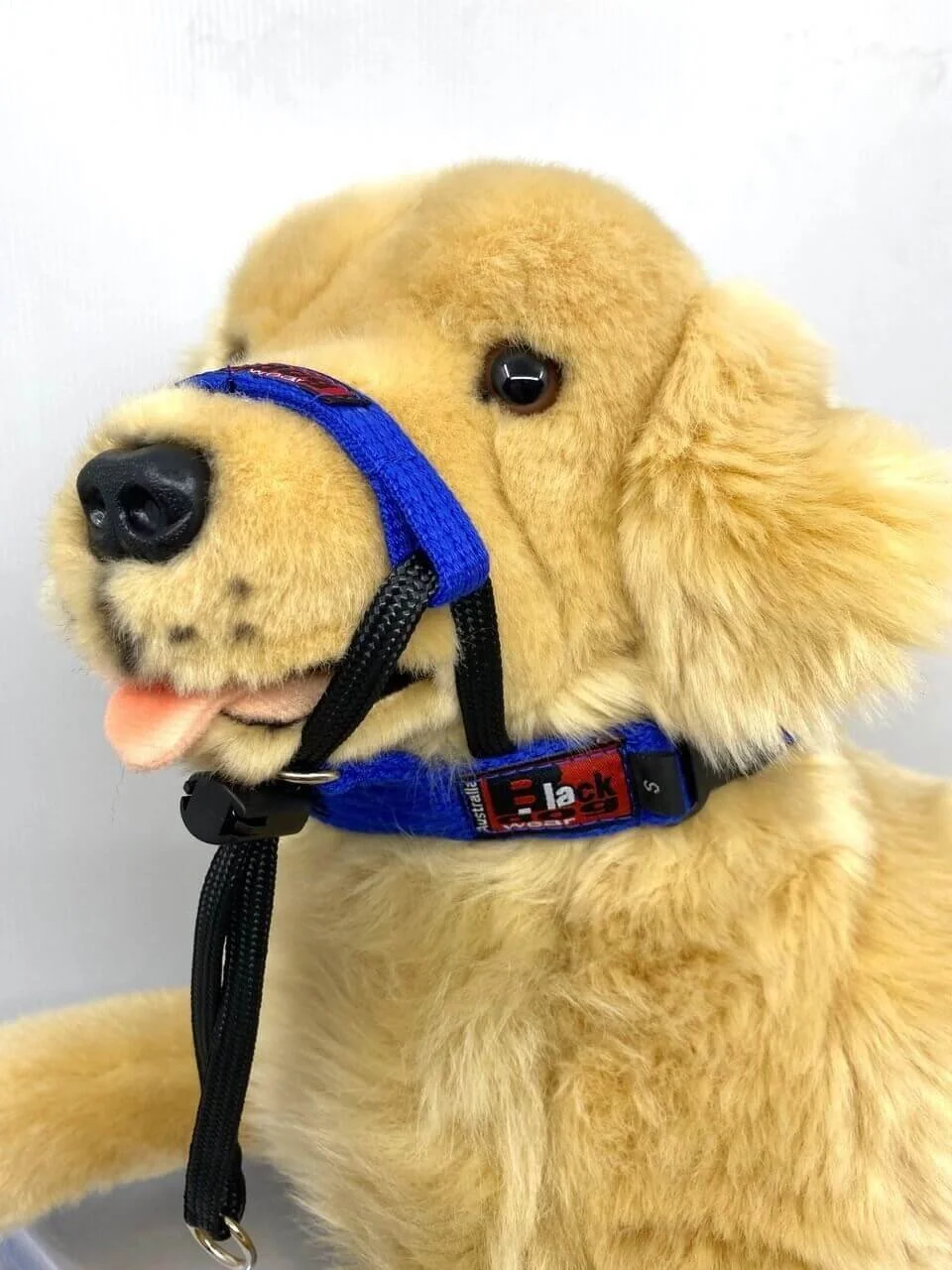
Head halters, while often presented as a humane training tool, warrant a closer examination of their potential impact on dogs. This article delves into the psychological and physical considerations surrounding head halters, encouraging trainers and handlers to approach their use with caution and a deep understanding of their effects. The ultimate goal in dog training should be to foster a strong, mutually respectful relationship, with equipment serving as a temporary aid rather than a permanent solution.
Understanding the Nuances of Head Halters
The allure of immediate control offered by head halters can be deceptive. While they may appear to solve the problem of pulling, they often mask underlying issues within the dog-human relationship. True cooperation from a dog stems from trust and respect, not from equipment that induces fear or discomfort. It’s crucial to recognize that no training device can substitute for a strong bond built on empathy and attentiveness. This fundamental principle guides a training philosophy that prioritizes the dog’s willing partnership over forced compliance.
Psychological Impact: Beyond Surface-Level Compliance
The psychological ramifications of head halters are a significant concern. While some dogs may exhibit only mild fuss, others can display a marked change in demeanor, appearing depressed, tail-tucked, and withdrawn. This suppressive effect, akin to experiencing non-contingent punishment, can stifle a dog’s natural enthusiasm and eagerness to engage. A trainer’s actions, whether literal or figurative, should aim to guide and channel a dog’s spirit, not diminish it. If removing the head halter results in a visible brightening of the dog’s disposition, it signals a need for reassessment. The question, “Why am I doing this to this animal?” must be honestly addressed.
Many handlers opt for head halters due to a perceived ease of control, particularly when facing challenges stemming from a lack of training or a weakened relationship. However, relying on equipment as a substitute for establishing a solid, healthy bond is akin to using a crutch – necessary at times, but not a lifelong solution. The ultimate aim is to cultivate a dog that is calm, relaxed, and trusting, not one subdued by external control.
The Horse vs. Dog Analogy: A Misleading Comparison
Proponents of head halters often draw parallels to their use on horses. However, this comparison is fundamentally flawed. Halters on horses are typically positioned lower on the muzzle, away from the sensitive eye area. For many dogs, the nose piece of a head halter rests uncomfortably close to the eyes, an area rich in nerves and thin skin. The canine head structure is not naturally suited for haltering in the same way as a horse’s. Historically, collars have been the preferred choice for dogs, while halters were reserved for animals with more appropriate anatomy.
Furthermore, the psychological impact differs significantly. The muzzle area holds considerable psychological significance for dogs, playing a role in maternal correction, social greetings, and disciplinary actions. Applying pressure to this area, especially unexpectedly, can carry a potent message. Unlike horses, whose primary interaction with a halter is a physical annoyance, dogs may experience a deeper, more unsettling psychological response. This explains why dogs wearing head halters often appear subdued, a phenomenon not typically observed in horses or cattle.
Physical Risks: The Potential for Injury
Beyond the psychological effects, the physical risks associated with head halters are considerable. The potential for soft tissue damage to the neck, particularly the cervical spine, is a serious concern. When a dog, while moving forward, has its head sharply pulled to the side, the body and muscles are unprepared for the unexpected force. Unlike the controlled, often downward and sideways movements used with horses, the leverage applied to dogs can be significantly more damaging due to their smaller size and the nature of the abrupt sideways and upward motion.
This unpreparedness is a critical distinction. While dogs may experience similar motions during predatory activities or rough play, their brains have prepared their bodies for the anticipated impact. The sudden, uncommunicated turn induced by a head halter bypasses this natural protective mechanism, increasing the likelihood of injury. The force involved can be likened to severe penalties in sports, highlighting the potential for significant harm. For this reason, it is imperative that trainers and handlers prioritize methods that allow for clear, quiet communication with the dog, minimizing the need for forceful interventions.
Responsible Use and Alternatives
While head halters may serve a purpose in specific, limited circumstances—such as managing a dog with severe behavioral issues under the guidance of a professional—they should never be considered a long-term solution. Their use should be temporary, a crutch to lean on while addressing the root causes of behavioral problems. The focus must always remain on building a strong, trusting relationship.
For trainers seeking to foster a willing partnership and avoid resistance, alternative training methods and equipment are available. These approaches prioritize clear communication and positive reinforcement, allowing the dog to learn and cooperate willingly. By understanding the potential drawbacks and carefully considering the individual dog and situation, trainers can make informed decisions about the most humane and effective training equipment.
Ultimately, the goal is to achieve a calm, relaxed, and trusting canine companion. This is best achieved through a deep, respectful relationship, supported by appropriate and judiciously used training tools when necessary. The wise choice lies in prioritizing the dog’s well-being and fostering a partnership built on mutual understanding, not on equipment that may inflict pain or discomfort.
