
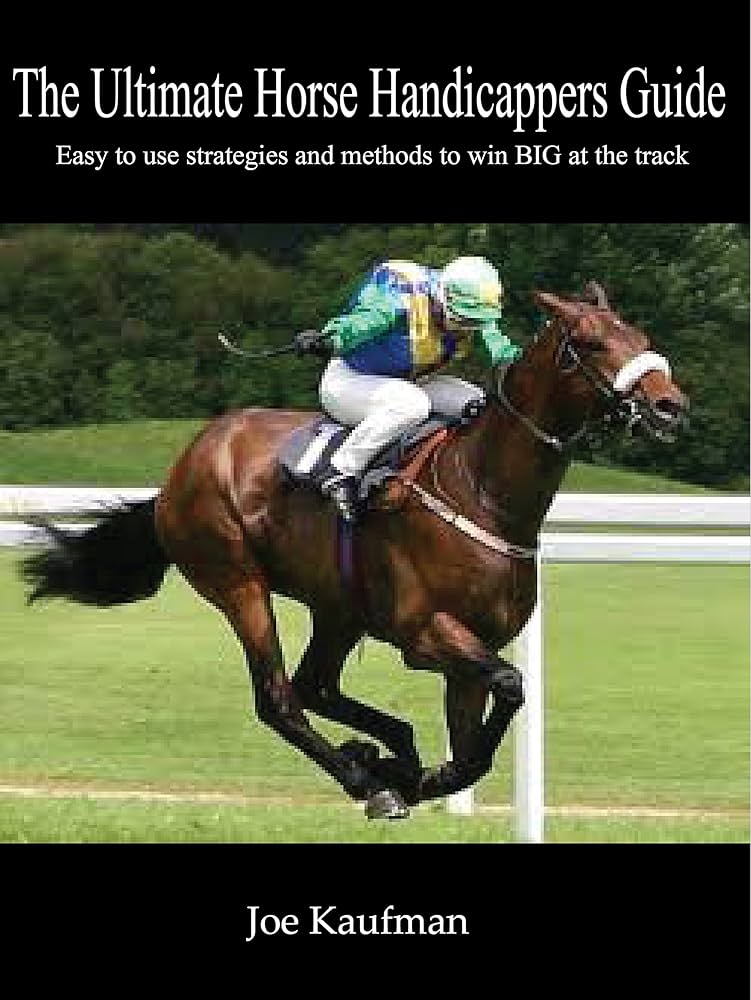
Stepping up to the rail, the thunder of hooves pounding down the stretch, the roar of the crowd—nothing matches the thrill of horse racing. But for many, the true excitement lies in the intellectual challenge of solving the puzzle of each race. This is the art and science of Handicapping In Horse Racing, a discipline that transforms you from a passive spectator into an engaged analyst. It’s the process of using available data to predict which horse has the best chance of winning. Far from being a game of pure luck, successful handicapping is a skill, blending statistical analysis with keen observation to make informed decisions.
For newcomers, a race program can look like an intimidating collection of numbers and jargon. But once you learn to decode this information, a fascinating story unfolds for each contender. This guide will walk you through the fundamental principles of handicapping, breaking down the essential factors that professionals use to evaluate a race. Whether you’re making your first visit to the track or looking to sharpen your skills, understanding these concepts is your first step toward the winner’s circle. To get started, it is also useful to get familiarized with some tools of the trade such as horse racing handicapping programs that can aid in your analysis.
What Exactly is Handicapping in Horse Racing?
At its core, handicapping has two primary meanings in the world of horse racing. First, it refers to a specific type of race—a “handicap race”—where weights are assigned to each horse to, in theory, create a level playing field. Faster, more accomplished horses are required to carry more weight, while less proven runners carry less. The goal of the official track handicapper is to create a scenario where every horse finishes in a dead heat.
Second, and more commonly in the United States, “handicapping” is the act of predicting a race’s outcome. This involves analyzing a wealth of information, primarily found in the “Past Performances” or PPs. By studying these records, you evaluate each horse’s history, strengths, and weaknesses to determine who is most likely to outperform the competition under the day’s specific race conditions.
Decoding the Past Performances (PPs)
The Past Performances are the bible of the horseplayer. This dense grid of data tells you everything you need to know about a horse’s career. While every provider’s format is slightly different, they all contain the same core information.
Key Data Points in the PPs
- Race History: Shows the date, track, and race number for previous starts.
- Conditions: Details the distance, surface (dirt, turf, or synthetic), and class level of the race.
- Running Line: This is a crucial section showing the horse’s position and distance from the leader at various “points of call” during the race (e.g., at the quarter-mile, half-mile, and stretch).
- Finish Position: The official place the horse finished.
- Jockey and Trainer: Lists the individuals connected with the horse for that race.
- Weight: The amount of weight the horse carried.
- Odds: The horse’s final odds in that race.
- Speed Figure: A numerical rating that represents how fast the horse ran, adjusted for the track and day’s conditions. This allows for an apples-to-apples comparison of performances across different tracks and distances.
The Four Pillars of Handicapping
While there are dozens of angles to consider, most handicapping strategies are built upon four fundamental pillars: Class, Speed, Pace, and Form.
1. Class: The Company a Horse Keeps
Class refers to the quality of competition a horse has been facing. Just like in human sports, there are different levels of competition in horse racing, from lowly claiming races to the prestigious Grade 1 stakes. A key part of handicapping is determining if a horse fits the class level of today’s race.
Dr. Alistair Finch, a renowned equine performance analyst, states, “A horse that has been dominant against cheaper competition might falter when facing Grade 1 winners. Conversely, a horse dropping in class after struggling against tougher rivals may suddenly wake up and dominate. Recognizing a horse’s true class ceiling is often the key to finding value.”
Look for horses moving up or down the class ladder. A horse moving up needs to prove it belongs, while a horse dropping down is often a strong contender if its previous efforts against better company were respectable.
2. Speed: The Ultimate Equalizer
At the end of the day, the fastest horse wins. Speed figures, like the widely used Beyer Speed Figures, are an indispensable tool. They tell you not just the final time, but the quality of that time. A horse that earned a 95 Beyer Speed Figure at Gulfstream Park is, in theory, just as fast as a horse that earned a 95 at Santa Anita on the same day.
When analyzing speed, don’t just look at the single best number. Look for:
- Consistency: Does the horse regularly post figures competitive with today’s field?
- Recent Improvement: Are the speed figures trending upwards, suggesting the horse is developing?
- Surface Preference: Does the horse earn its best figures on dirt or turf? Ensure its peak numbers align with today’s race surface.
Analyzing these numbers is a core function of many types of best horse racing handicapping software, which can help identify patterns that aren’t obvious at first glance.
3. Pace: How the Race Will Unfold
An old track adage says, “Pace makes the race,” and it’s absolutely true. Pace analysis involves predicting the early speed of a race and determining which horse’s running style will be favored. Horses generally fall into one of three categories:
- Front-runners: These horses need to be on or near the lead from the start.
- Stalkers/Pressers: These horses sit just behind the leaders, ready to make a move.
- Closers: These horses lag near the back of the pack early and make one big run in the stretch.
By looking at the running lines in the PPs, you can identify the style of each horse. If a race is filled with front-runners, they may duel for the early lead at a blistering pace, tiring each other out and setting the stage for a closer to sweep past them in the end. Conversely, a lone front-runner might be able to set slow, comfortable fractions and have plenty of energy left to hold off all challengers. Predicting the pace scenario is one of the most powerful skills in handicapping.
4. Form: A Horse’s Current Condition
Form refers to a horse’s recent performance and physical condition. A horse might have the best speed figures and fit the class level perfectly, but if it’s not in good form, it’s unlikely to win.
Key indicators of good form include:
- Recent Finishes: Look for horses that have recently finished in the top three (“in the money”).
- Sharp Workouts: The PPs include a record of a horse’s timed training exercises between races. A series of fast, consistent workouts can signal a horse is sharp and ready to fire.
- Layoffs: Be cautious of horses returning from a long break (layoff) of several months. While some trainers excel at bringing horses back ready to win, many need a race or two to regain fitness.
Putting It All Together: Additional Factors
Once you’ve mastered the four pillars, you can begin to incorporate other important factors into your analysis. The complexity of the sport is why so many enthusiasts get involved in things like horse racing handicapping tournaments.
The Human Element: Jockeys and Trainers
The abilities of the jockey and trainer are critically important. A top jockey can be the difference-maker in a close finish, expertly navigating traffic and timing their move perfectly. A high-percentage trainer is a master at placing their horses in spots where they can win. The PPs provide statistics on how well jockeys and trainers perform in various situations (e.g., on turf, in sprints, with first-time starters).
Track Conditions and Post Position
- Track Bias: Some tracks may favor horses with early speed or those running on a certain part of the racing surface. Observing a few races on the card can help you identify any potential bias.
- Post Position: A horse’s starting gate position can be a significant advantage or disadvantage, especially in sprints. An inside post can be great for a speed horse, but a deep closer might get trapped. An outside post often ensures a clean trip but may require the horse to cover extra ground on the turns.
A Step-by-Step Handicapping Process
- Review the Conditions: Start by understanding the race. What is the distance, surface, and class level? Eliminate any horses that are clearly unsuited to these conditions.
- Analyze the Pace: Identify the likely front-runners, stalkers, and closers. Project how fast the early pace will be. Will it favor the speed horses or the closers?
- Evaluate the Class: Who is dropping down from a tougher level? Who is stepping up and might be overmatched?
- Compare Speed Figures: Look for the horses with the best and most consistent speed figures under today’s conditions.
- Check Current Form: Are the contenders coming off good recent performances and showing sharp workouts?
- Consider Final Factors: Look at jockey/trainer stats and post position to refine your selections.
- Make Your Selection: Based on your analysis, identify your top contender, as well as a few others you believe have a strong chance.
Handicapping in horse racing is a continuous learning process. It is a captivating challenge that rewards diligence, critical thinking, and a passion for the sport. By breaking down each race into these core components, you can move beyond simply picking a favorite name or color and start making educated, confident selections.
Frequently Asked Questions (FAQ)
What is the single most important factor in handicapping?
There is no single “most important” factor; a holistic approach is best. However, many seasoned handicappers start their analysis with class and speed. A horse that is both fast enough and fits the competitive level of the race is always a primary contender.
How much do jockey and trainer percentages matter?
They matter significantly. A high-percentage jockey or trainer indicates a consistent ability to win. Always give a second look to a horse connected with top-tier talent, as they often elevate a horse’s chances. Using a quality horse racing handicapping software can often help you spot profitable jockey-trainer combinations.
What is a “trip” handicapper?
A trip handicapper focuses on watching race replays to see what kind of “trip” a horse had. They look for horses that faced significant trouble—like being blocked, forced wide, or checked—but still ran well. The idea is that with a clean trip next time, the horse’s performance will dramatically improve.
How are speed figures calculated?
Speed figures are calculated using a horse’s final time and adjusting it based on the inherent speed of the track on that specific day. The track variant is determined by comparing the final times of all races on the card against a set of pars for those class levels. This complex calculation results in a single number that reflects the performance.
Can you make a living from handicapping horses?
While a very small percentage of professional gamblers do make a living from handicapping, it is exceptionally difficult. It requires immense discipline, sophisticated data analysis, and significant capital. For most people, it should be approached as an enjoyable and intellectually stimulating hobby.
