
Effective communication is the cornerstone of a strong bond between you and your canine companion. While verbal cues are essential, mastering Hand Commands For Dog Training offers a powerful, silent language that enhances understanding and control, especially in distracting environments. This guide delves into the art of using hand signals, exploring their benefits, teaching methods, and how to integrate them seamlessly into your training regimen.
The Silent Power of Hand Signals in Dog Training
Dogs are highly visual creatures, often more attuned to our body language than our words. Hand signals tap into this natural inclination, providing clear, unambiguous cues that dogs can understand and respond to reliably. The advantages of incorporating hand signals into your training include:
- Enhanced Communication: Hand signals transcend noisy environments or long distances where verbal cues might be lost.
- Improved Focus: By focusing on visual cues, dogs can better concentrate on their handler, minimizing distractions.
- Faster Learning: Many dogs naturally grasp visual cues more quickly than verbal ones, accelerating the training process.
- Stronger Bond: The consistent, clear communication fostered by hand signals deepens the connection and trust between dog and owner.
- Assistance for Specific Needs: For dogs with hearing impairments, hand signals are not just beneficial; they are crucial for communication and safety.
Getting Started: The Foundation of Hand Command Training
Before diving into specific commands, it’s vital to establish a solid foundation. This involves understanding your dog’s learning style and ensuring they are receptive and engaged.
Choosing the Right Signals
Consistency is key. Select distinct, easy-to-replicate hand motions for each command. Avoid signals that could be confused with everyday gestures. For instance, a pointed finger for “sit” might be confused with pointing at something else.
Pairing Signals with Verbal Cues
Initially, pair each hand signal with its corresponding verbal cue. For example, as you say “Sit,” simultaneously perform the chosen hand signal for “sit.” This association helps your dog learn the meaning of the visual cue.
Positive Reinforcement
Employ positive reinforcement techniques, such as treats, praise, and toys, to reward your dog’s successful understanding and execution of the hand signal. This makes the learning process enjoyable and effective.
Essential Hand Commands Every Dog Owner Should Teach
Here are some fundamental hand signals to start with, along with methods for teaching them:
1. Sit
- Signal: Hold a treat at your dog’s nose level. Move your hand slowly upward and slightly back over their head. As their nose follows the treat, their rear end will naturally lower into a sit. As they sit, say “Sit” and show them the treat.
- Teaching Method: Once your dog reliably sits with the lure, begin to fade the lure. Use the same hand motion without a treat, and reward them with a treat from your other hand or pocket once they perform the action. Gradually, your hand motion alone will elicit the sit.
2. Stay
- Signal: Hold your palm flat, facing your dog, with your fingers pointing upwards. This “stop” signal is intuitive for most dogs.
- Teaching Method: After your dog has mastered the “sit” or “down” command, ask them to perform it. Then, present the “stay” hand signal and say “Stay.” Take a single step back, then immediately return and reward them if they remained in position. Gradually increase the distance and duration before returning and rewarding. If they break the stay, gently guide them back to their original spot without punishment and try again with a shorter distance or duration.
3. Come (Recall)
- Signal: Pat your thigh or extend your arm with your palm facing upwards, moving it towards you in a sweeping motion.
- Teaching Method: Start with short distances in a safe, enclosed area. Use an enthusiastic tone of voice and the hand signal. When your dog comes to you, reward them with high-value treats and praise. Never use the recall command to scold or punish your dog, as this will make them hesitant to come to you in the future. Make coming to you the most rewarding experience possible.
4. Down
- Signal: Start with your dog in a sit position. Hold a treat at their nose level and lower your hand straight down to the floor between their front paws, then slowly drag it away from them.
- Teaching Method: As your dog follows the lure into a down position, say “Down.” Once they are consistently following the lure, begin to fade it, using the hand motion without a treat. Reward them when they lie down.
5. Heel
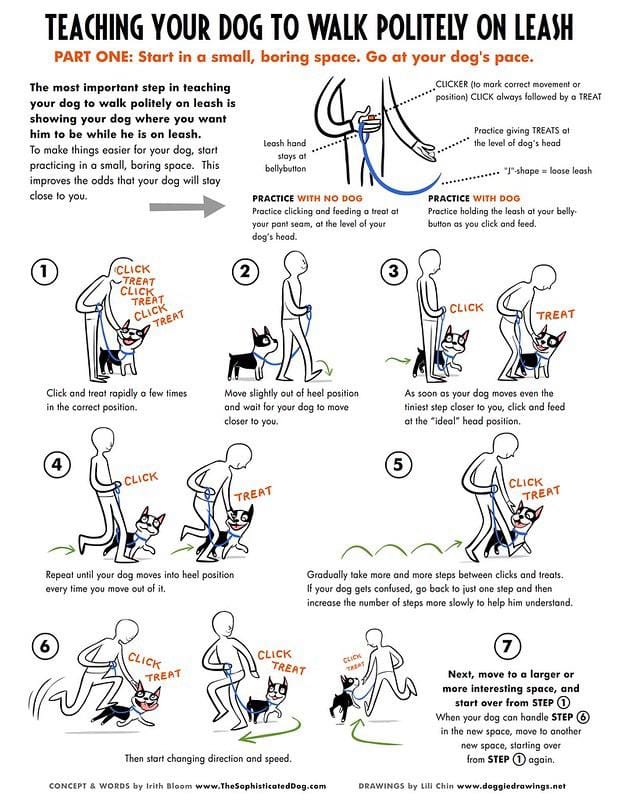
- Signal: Hold your hand by your side, palm facing inwards, as if holding a leash, and move it slightly forward to encourage your dog to walk beside you.
- Teaching Method: Begin in a quiet area. As you start walking, use the “heel” hand signal and reward your dog for staying by your side. If they move ahead or lag behind, use the signal and gentle encouragement to guide them back. This command requires consistent practice and is foundational for dog training in vancouver wa and other areas.
Advanced Hand Signals and Training Techniques
Once your dog has a solid grasp of the basic commands, you can introduce more advanced signals:
Fetch/Retrieve
- Signal: Point towards the object you want your dog to retrieve, then point towards yourself.
- Teaching Method: Encourage your dog to chase a toy. When they pick it up, use the signal and your recall command to bring it back. Reward them for bringing it to you and dropping it.
Leave It
- Signal: Hold your hand out flat, palm facing your dog, to signify “stop” or “no.”
- Teaching Method: Place a low-value treat on the floor and cover it with your hand. Let your dog sniff or paw at it, but don’t let them have it. When they pull their head away or stop trying, say “Leave it,” and reward them with a higher-value treat from your other hand. Gradually progress to uncovered treats and more tempting items. This is a crucial command for safety, and understanding its nuances is key to training a dog for search and rescue.
Targeting
- Signal: Hold an object (like a target stick or your hand) out in front of your dog and use a specific motion to guide them towards it.
- Teaching Method: Reward your dog for touching the target with their nose or paw. This can be used to guide them through obstacle courses or into specific positions. This type of training is also integral to advanced dog training in keller texas.
Integrating Hand Signals into Daily Life
The real magic happens when hand signals become second nature, integrated into your everyday interactions with your dog.
Consistency is Non-Negotiable
Ensure all family members and anyone interacting with the dog use the same hand signals consistently. Inconsistency can confuse your dog and hinder their progress.
Practice in Various Environments
Once your dog reliably responds to hand signals in a quiet setting, gradually introduce them in more distracting environments. This helps generalize the commands and reinforces their reliability, a practice common in chicago area dog training. Start with slightly distracting places and slowly increase the challenge.
Keep Training Sessions Short and Fun
Dogs, especially puppies, have short attention spans. Keep training sessions brief (5-10 minutes) and always end on a positive note. Make it a game, not a chore.
Advanced Dog Training Hand Commands
As your dog’s proficiency grows, you can explore more complex sequences or combine hand signals with verbal cues for nuanced communication. Remember, mastering dog training hand commands is an ongoing journey that strengthens your partnership.
Troubleshooting Common Issues
- Dog Ignores Hand Signal: Ensure the signal is clear and distinct. Revisit pairing the hand signal with the verbal cue and use high-value rewards. Check for distractions.
- Dog Only Responds to Lure: Gradually fade the lure. Start by making the hand motion without the treat, then reward from your other hand. Eventually, the motion alone should suffice.
- Dog Hesitates: Reassess the difficulty. Are you asking too much too soon? Break down the command into smaller steps and reward successful approximations. Ensure the environment is not too overwhelming.
Conclusion: Building a Deeper Connection
Implementing hand commands for dog training is a rewarding endeavor that opens up a new dimension of communication with your furry friend. It fosters a deeper understanding, enhances obedience, and solidifies the incredible bond you share. By practicing consistently, using positive reinforcement, and making training fun, you can equip your dog with a comprehensive vocabulary of silent cues, leading to a more harmonious and fulfilling life together. The journey of learning these commands is a testament to the shared story between you and your dog, reinforcing the core values of Dog Care Story.
