
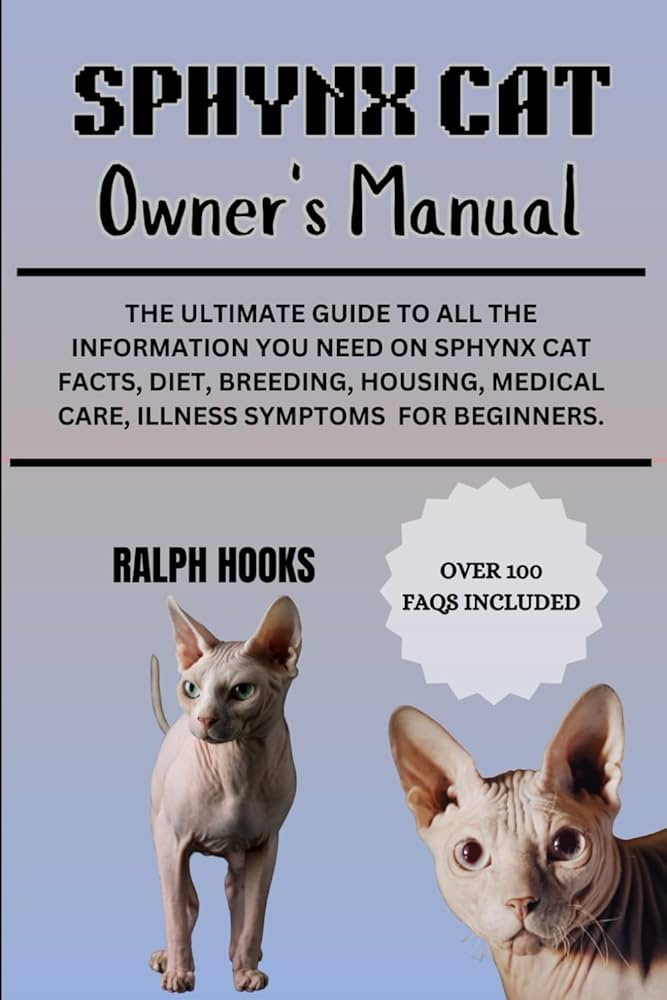
When you first meet a Sphynx cat, it might be a surprise. With their wrinkled skin and lack of fur, they can evoke comparisons to fantastical creatures. However, this initial reaction often quickly transforms into fascination and affection. If you’re considering bringing a Sphynx into your home, or simply curious about this distinctive breed, understanding their unique needs and origins is essential. This guide delves into the world of Sphynx cats, from their Canadian origins to their specific care requirements and charming personalities. Preparing to welcome a Sphynx means being ready for a highly interactive and affectionate companion. The unique look of a Sphynx cat, much like the unique patterns seen in certain calico cats, sets them apart from other felines.
Origins of the Sphynx: A Canadian Mutation
Contrary to what their name might suggest, Sphynx cats did not originate in Egypt. Their story begins in Canada in the 1960s. The first recorded hairless kitten, named Prune, was born in Ontario due to a natural genetic mutation. Recognizing the uniqueness of this trait, breeders began working to develop the breed, initially calling them Canadian Hairless Cats. Further development occurred in the 1970s with the birth of additional hairless kittens in Toronto and Minnesota. These lineages are believed to have contributed to the American Sphynx we know today. The breed eventually adopted the name “Sphynx” due to a perceived resemblance to the famous Egyptian statue, though their history is distinctly Canadian.
Debunking the Egyptian Connection
The association with Egypt stems solely from the breed’s name, referencing the iconic Sphinx statue. Despite this, the Sphynx cat has no historical ties to ancient Egypt or its mythology. The naming was purely an aesthetic choice by breeders to describe their unusual appearance.
The Sphynx Demands Attention: High Maintenance Needs
Despite their lack of fur, Sphynx cats are far from low-maintenance. Their hairless skin requires specific care to keep them healthy and comfortable.
The Necessity of Regular Bathing
Unlike most cats who groom their coats to remove oils, Sphynx cats lack fur to absorb these natural skin secretions. This results in oily skin that can easily accumulate dirt and debris, especially in skin folds and around paw pads. Consequently, Sphynx cats typically need weekly baths to maintain skin hygiene. Introducing bathing at a young age is crucial to help them acclimate to water, as they often have an aversion to it. It’s important to use gentle, cat-specific shampoos recommended by your veterinarian to avoid stripping essential oils. For quick clean-ups between baths, owners often use fragrance-free, alcohol-free baby wipes.
Managing Skin Health: Blackheads and Beyond
The oily nature of Sphynx skin can lead to common adolescent-like skin issues, such as blackheads on their chin. These can be managed with gentle scrubbing using a mild antibacterial soap and water, followed by a wipe with witch hazel (which must be rinsed off to prevent ingestion). In more severe cases, a veterinarian might suggest benzoyl peroxide pads. If left untreated, these can lead to inflammation and require veterinary intervention.
Ear and Nail Care
Sphynx cats’ ears also require frequent cleaning, as the absence of ear hair means dirt can accumulate easily. Additionally, their nails should be trimmed regularly, ideally after their weekly bath. This consistent grooming routine is essential for their overall well-being.
Protection from the Elements: Clothing and Sun Safety
Being hairless, Sphynx cats are vulnerable to environmental factors. They have little natural protection against the sun’s rays and can easily overheat or suffer from sunburn, potentially leading to skin cancer. Human sunscreens are toxic to cats, so consult your veterinarian about safe sun protection if your Sphynx will be outdoors.
The Role of Sphynx Cat Clothing
To combat the cold, Sphynx cats often require clothing. Their internal body temperature regulation relies on a high metabolism, and they can become uncomfortable in cooler temperatures, even from air conditioning. Sweaters, shirts, and other apparel can provide necessary warmth and comfort. It’s also important to regularly wash their clothing and bedding, just as you would your own, due to their oily skin. Many owners find the wide variety of Sphynx cat clothes available online to be a practical solution.
Diet and Metabolism: Fueling the Sphynx
Sphynx cats possess a notably high metabolism to help them maintain body heat, leading them to eat more than the average cat. Feeding them multiple small meals throughout the day is often recommended to accommodate their active metabolism. They are generally not picky eaters and will consume a wide variety of foods. Providing high-quality food is crucial for their long-term health and well-being.
A Social and Affectionate Breed
Often lauded as one of the most friendly cat breeds, Sphynx cats are deeply affectionate and thrive on human interaction. They are known to greet their owners enthusiastically, much like dogs, and dislike being left alone for extended periods. For this reason, it’s often recommended to have two Sphynx cats if you are away frequently, or if they are the only pet in the household, allowing them to keep each other company. They also tend to bond well with other pets, including dogs.
Intelligence and Trainability
Sphynx cats are intelligent, curious, and remarkably trainable. Their active nature and engaging personalities often lead to amusing antics that entertain their owners. Many owners also explore cat breed test kits to understand the unique genetic makeup that contributes to these charming traits.
Sphynx Cats in Pop Culture
The distinctive appearance of the Sphynx has made them recognizable figures in popular culture. Notably, Mr. Bigglesworth from the Austin Powers movie series was a champion Sphynx. Other Sphynx cats have also been featured in television and film, often cast in roles that play on their unique and somewhat mysterious look.
Frequently Asked Questions About Sphynx Cats
How long do Sphynx cats live?
Sphynx cats typically have a lifespan of 8 to 14 years. Some genetic predispositions can affect this average, but with proper care, they can live long, healthy lives.
How much does a Sphynx cat cost?
Due to the specialized breeding required for the recessive hairless gene, Sphynx cats can be quite expensive, ranging from $1,500 to $4,500 from breeders. Purebred or champion lines can command even higher prices, sometimes exceeding $10,000.
Are Sphynx cats friendly?
Yes, Sphynx cats are renowned for their exceptional friendliness and affectionate nature. Their need to seek warmth often leads them to cuddle frequently with their owners and even strangers, making them incredibly sociable companions. This breed’s warmth and cuddliness are part of what makes them such loving cat breeds.
