
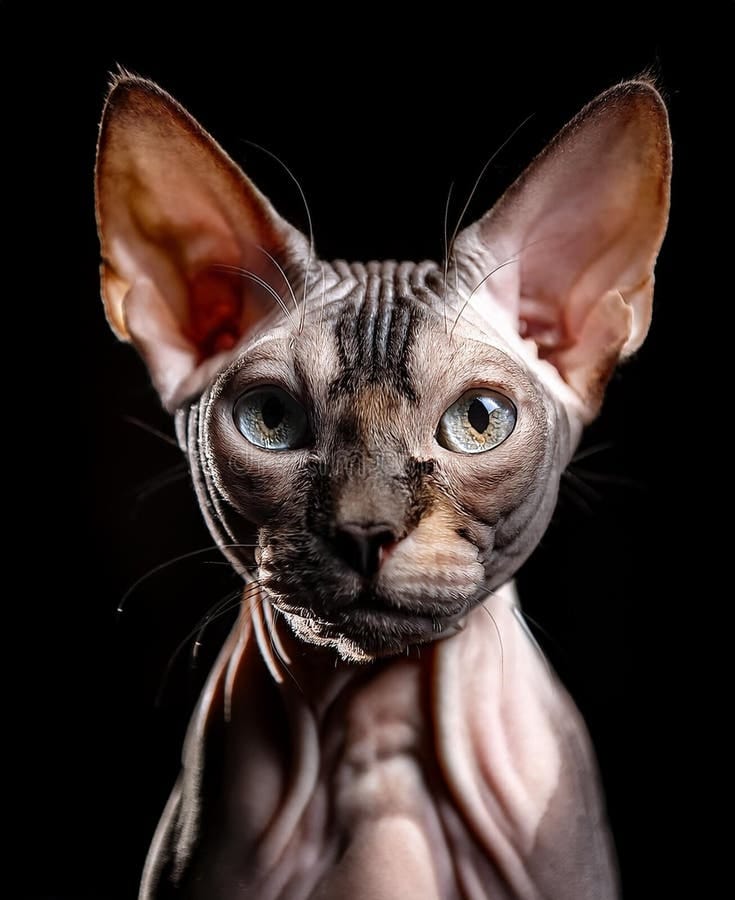
The world of cat breeds often celebrates specific, standardized features. However, the Sphynx, renowned for its striking hairlessness, presents a fascinating study in variation. Among these unique felines, the “flat face Sphynx” has captured the curiosity of many enthusiasts. Unlike the consistently defined facial structure seen in some other breeds, Sphynx cats can exhibit a range of facial features, leading to discussions about what constitutes a typical Sphynx and the genetic influences at play. This exploration delves into the characteristics, potential origins, and endearing qualities of the flat face Sphynx, celebrating the diversity within this beloved breed.
What Defines a “Flat Face” Sphynx?
When referring to a “flat face Sphynx,” owners and breeders are typically describing a cat whose muzzle is shorter and broader, creating a more rounded or “squished” appearance compared to a more elongated or wedge-shaped profile. This facial structure can sometimes be reminiscent of breeds known for their brachycephalic (short-nosed) traits, such as certain Persian cats. It’s important to note that this variation is not necessarily indicative of poor breeding, but rather a natural expression of the Sphynx breed’s genetic diversity. The degree of flatness can vary significantly, from a subtly rounded appearance to a more pronounced, distinctly flattened profile.
Understanding Sphynx Breed Genetics and Outcrossing
The Sphynx breed’s history is intertwined with intentional outcrossing to introduce and maintain genetic health and diversity. Unlike breeds developed solely for specific aesthetic traits, the Sphynx’s hallmark hairlessness is a spontaneous genetic mutation. To broaden the gene pool and prevent issues associated with extreme inbreeding, breeders have historically introduced other breeds into the Sphynx lineage. This practice allows for the incorporation of desirable traits while also contributing to a wider range of physical characteristics, including variations in facial structure.
This foundational aspect of Sphynx breeding means that individual cats can inherit diverse features from their ancestral breeds. While breeders often aim for certain breed standards, natural variation is an inherent part of any living population. The presence of a flatter facial structure in a Sphynx is often a direct result of these genetic contributions from outcross breeds.
Potential Breed Influences Behind the Flat Face
Several breeds have been historically used as outcrosses in the development of the Sphynx breed, and their influence can be seen in the varying appearances of individual cats.
Devon Rex
The Devon Rex is a breed known for its unique, pixie-like appearance, characterized by large ears, a short muzzle, and a wavy or curly coat. Many Sphynx cats exhibit traits reminiscent of the Devon Rex, and it is one of the breeds officially recognized by organizations like The International Cat Association (TICA) as a permissible outcross for the Sphynx. A Sphynx with a flatter face and perhaps even faint downy fur might indeed carry Devon Rex ancestry, which would explain these facial features and the presence of any residual hair tufts.
Siamese
The Siamese breed, with its distinct color points, striking blue eyes, and elegant, wedge-shaped head, has also been incorporated into Sphynx lines. While Siamese cats are typically known for longer muzzles, their genetic contributions can influence overall facial structure and body type in mixed offspring. Some discussions among Sphynx owners suggest that Siamese influence can lead to a slightly shorter or broader facial profile in some Sphynx cats.
Persian
The Persian cat is perhaps most famously associated with a brachycephalic facial structure, featuring a very short, flattened nose and a rounded head. While not as commonly cited as the Devon Rex or Siamese in Sphynx breeding programs, it’s plausible that Persian ancestry, perhaps introduced indirectly or in earlier, less documented outcrosses, could contribute to a more pronounced “flat face” appearance in some Sphynx individuals. Owners have observed Sphynx cats with facial structures that bear a strong resemblance to Persians, complete with large, round eyes and a very short muzzle.
Owner Experiences and Observations
The online forum “Sphynxlair” provides a glimpse into the real-world experiences of Sphynx owners discussing their cats’ unique features. One user shared their experience with a rescued Sphynx named Johari, who possessed a flatter face and patches of downy fur. This sparked conversations about the cat’s lineage, with members suggesting possible Devon Rex or Siamese influences due to the facial shape and fur tufts. The general sentiment among owners is one of admiration for these unique variations.
Many owners find the distinct facial features of their Sphynx cats, whether elongated or flattened, to be incredibly endearing. The “flat face” can contribute to a “baby doll” or “kitten-like” expression, often enhanced by large, expressive eyes. This variation is seen not as a flaw, but as part of what makes each Sphynx an individual. The presence of small tufts of hair, as seen on Johari, is also often linked to these mixed ancestries and tends to decrease as the cat matures or with dietary improvements, though some cats may retain them.
Health Considerations for Flat-Faced Felines
While the Sphynx breed is generally robust, certain facial structures can sometimes be associated with specific health considerations, particularly in breeds with extreme brachycephaly. For cats with a significantly flattened muzzle, potential issues might include:
- Dental Problems: A shorter jaw can sometimes lead to overcrowding of teeth, malocclusion (improper bite), and increased susceptibility to periodontal disease.
- Eye Issues: The shape of the eye sockets and the degree of facial flatness can influence tear drainage. This can lead to excessive tearing (epiphora), staining of the fur around the eyes, and an increased risk of corneal ulcers or infections.
- Respiratory Concerns: While less common in Sphynx compared to some other flat-faced breeds, extreme narrowing of the nasal passages could potentially lead to mild breathing difficulties, especially during exertion or in hot weather.
It is crucial for owners of any Sphynx, regardless of facial structure, to maintain regular veterinary check-ups. A veterinarian can monitor for any emerging health issues related to dental, ocular, or respiratory health and provide appropriate care. The health and well-being of the cat should always be the top priority.
Embracing the Uniqueness of Every Sphynx
The “flat face Sphynx” is a testament to the rich genetic tapestry that forms this captivating breed. It highlights that while breed standards provide a guide, nature often introduces beautiful variations. Whether a Sphynx possesses a more traditional elongated face or a charmingly flattened one, each cat is an individual with its own unique personality and appeal. The key lies in appreciating these differences, ensuring the health and happiness of our feline companions, and celebrating the diverse beauty that the Sphynx breed has to offer. Like exploring the intriguing world of different cat coats, understanding breed variations enriches our appreciation for these remarkable animals.
About the Sphynxlair Community
Sphynxlair serves as a vibrant online community for Sphynx cat enthusiasts. It’s a platform where owners can share photos, ask questions, and exchange valuable information about their hairless companions. Discussions like the one concerning flat-faced Sphynx cats exemplify the community’s engagement in understanding and celebrating the nuances of the breed. The collective experience shared by members contributes to a broader understanding of Sphynx genetics, care, and the unique characteristics that make each Sphynx special.
