
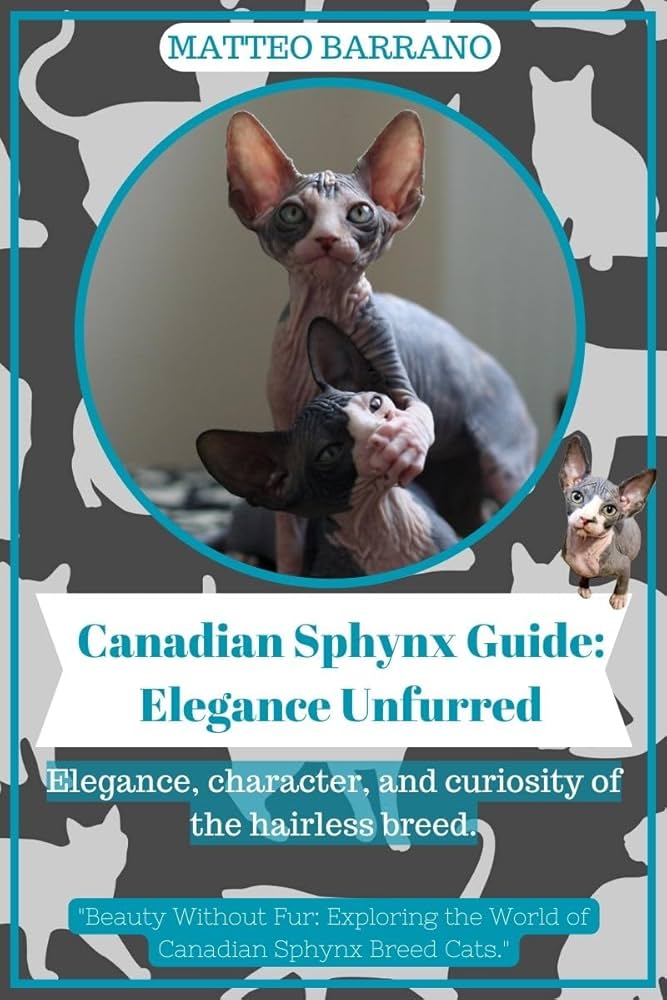
Hairless cats, with their unique and striking appearance, are captivating to many pet enthusiasts. While commonly associated with breeds like the Sphynx, the world of hairless and near-hairless felines is more diverse than many realize. These cats, ranging from those completely devoid of hair to those with a fine downy or curly coat, require specific care to thrive. This article delves into several fascinating hairless cat breeds, exploring their characteristics, origins, and the special considerations for their care. Understanding these unique traits ensures these distinctive pets remain comfortable and healthy members of your family.
Distinctive Hairless Cat Breeds
The allure of hairless cats lies in their unusual beauty and often affectionate personalities. Here are some notable breeds that have captured the hearts of cat lovers worldwide:
1. Sphynx
The quintessential hairless cat, the Sphynx, might appear nude but is actually covered in a fine, downy fur that feels like chamois. This texture makes them exceptionally warm and ideal for cuddling, especially on cooler days. While some possess whiskers and eyebrows, others do not, but all share charming wrinkles and distinctive long toes. Sphynx cats are also known for being quite vocal, readily communicating their needs and desires. The Sphynx breed is a beloved choice for those seeking an affectionate and tactile companion.
2. Bambino
Emerging in 2005, the Bambino is a relatively new breed created by crossing the Sphynx with the short-legged Munchkin. Currently considered an “experimental breed” by the Cat Fanciers Association, Bambinos are known for their strong desire for interaction and attention. Breeders often suggest getting two Bambinos to ensure they have companionship, emphasizing the need for significant daily play. These kittens can come with a substantial price tag, ranging from $2,000 to $2,800. It’s important to note that their short legs, while endearing, can predispose them to joint problems.
3. Peterbald
Originating from Russia, the Peterbald breed is characterized by its large, prominent ears and wedge-shaped head. While rare outside their native country, Peterbalds are known for being friendly, energetic, and enjoying games like fetch. They often form strong bonds with their owners, frequently following them around the house. The Peterbald’s coat varies significantly; some are completely bald, while others may have fuzzy, curly, or wiry fur of different lengths, and some even maintain a coat similar to traditional cat breeds.
4. Donskoy
The Donskoy cat boasts four distinct coat varieties, showcasing the diversity within this breed:
- Rubber bald: Born without hair and remaining so throughout their lives.
- Flocked: Born with a soft, downy coat that some individuals may shed over time, becoming bald.
- Velour: Typically born with bald patches, often starting on the head.
- Brush: Possess bald spots interspersed with their coat, which can be short or long.
Donskoys are recognized for their sweet temperament and intelligence, making them excellent family companions, even in households with children and other pets.
5. Lykoi
Often dubbed the “werewolf cat,” the Lykoi’s coat is sparse and undergoes periodic molting, a process known as “wolfing out.” When they do have fur, it’s exceptionally soft, enhancing their appeal for cuddles. The unique appearance of the Lykoi, coupled with their charming personalities, contributes to their cost, with kittens starting around $1,000. Their distinctive look and gentle nature make them a special addition to any home.
6. Ukrainian Levkoy
This breed shares a visual similarity with the Scottish Fold due to its characteristic folded ears, a trait stemming from its close relation. Established in 2004, the Ukrainian Levkoy is a relatively new breed, and its long-term health implications are still being studied. Potential owners should be aware that the breed may share the Scottish Fold’s predisposition to joint and cartilage issues. While folded ears are a desirable and expensive feature, not all Ukrainian Levkoys exhibit this trait. They are generally stoic cats, often content with quiet companionship.
Essential Care for Hairless Cats
Welcoming a hairless cat into your home requires an understanding of their specific needs, primarily due to their lack of dense fur. This absence makes them more susceptible to sunburn and impairs their ability to regulate body temperature as effectively as furred cats. Consequently, protecting them from excessive sun exposure with sunscreen or window UV filters is crucial. During warmer months, cooling mats can provide comfort, while in winter, cozy sweaters are essential for maintaining warmth.
Their skin can also accumulate oils and become greasy, necessitating regular grooming. However, frequent baths can dry out their skin, so consulting a veterinarian for a personalized skincare routine—which may include regular wipe-downs or baths with specialized shampoos—is recommended. These shampoos help replenish their natural oils. Furthermore, hairless cats often experience increased wax and oil buildup in their ears and require more frequent nail cleaning.
While hairless cat breeds might need a bit more specialized attention, the unique bond and affection they offer make the extra effort immensely rewarding for devoted owners.
Frequently Asked Questions About Hairless Cats
Are hairless cats hypoallergenic?
It’s a common misconception that hairless cats are hypoallergenic. True hypoallergenic qualities are rare in cats, as allergens are present in their saliva, urine, and dander, irrespective of fur length. However, hairless cats are often considered better suited for individuals with allergies because they shed less dander into the environment. It is always advisable for allergy sufferers to consult with their doctor and spend time with a specific cat before adoption to assess potential reactions.
What is the cost of a hairless cat?
Due to their rarity and specialized breeding, hairless kittens typically range from $1,000 to $2,000. Finding a hairless cat in a general animal shelter is uncommon, though specialized rescues dedicated to these breeds may exist in various areas. Adopting from a rescue can be a rewarding alternative to purchasing from a breeder.
Are hairless cats friendly?
Like any cat breed, the friendliness of a hairless cat is significantly influenced by its early socialization. Kittens exposed to people, other animals, and various experiences from a young age tend to develop into more adaptable and sociable adult cats. Positive reinforcement training and a loving environment further contribute to their development as affectionate and well-adjusted companions.
Written by Janelle Leeson
