
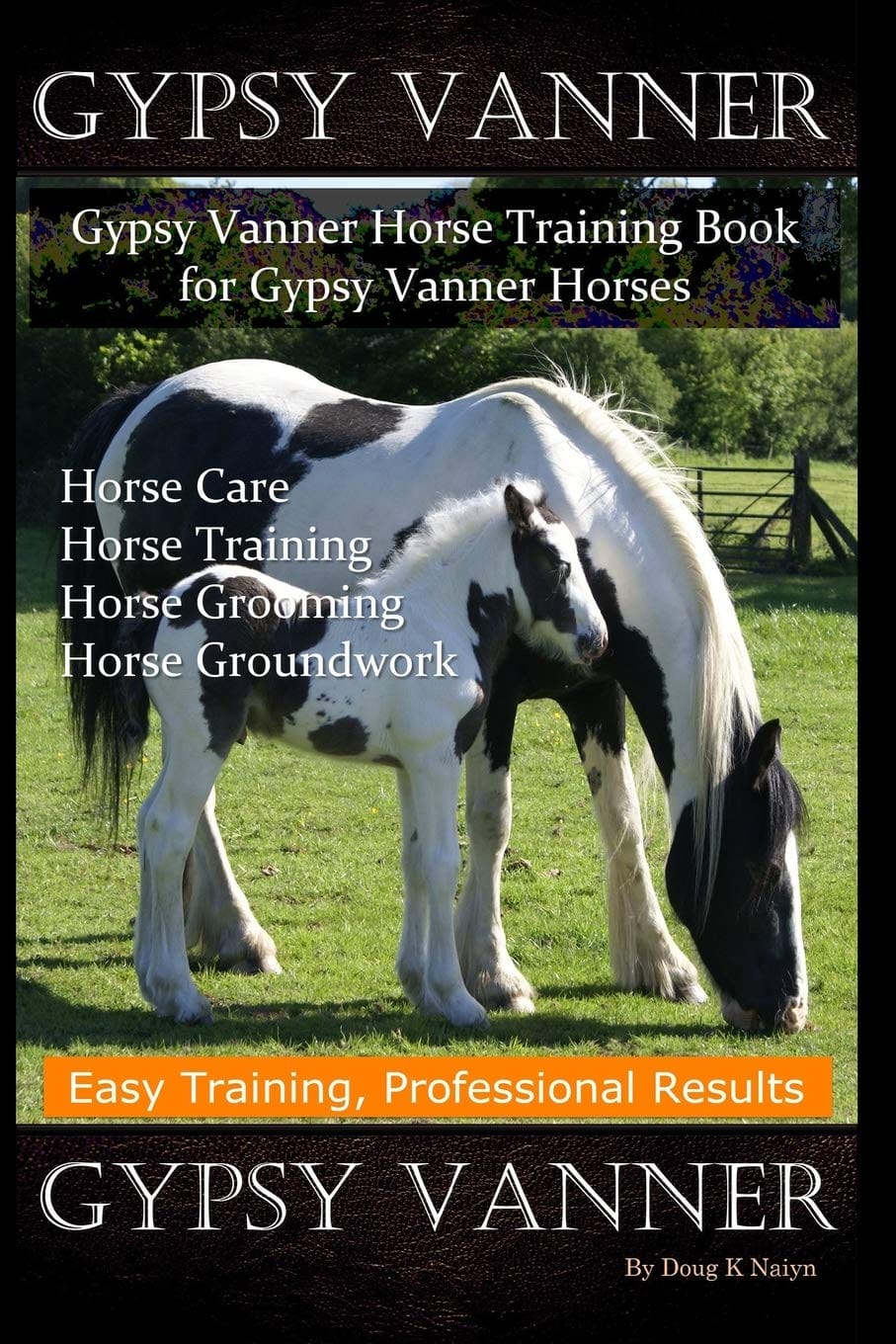
Gypsy horses, also known as Gypsy Vanners or Irish Cobs, are renowned for their gentle disposition, intelligence, and striking appearance. Training these magnificent animals requires patience, consistency, and an understanding of their unique temperament. This guide will delve into the essential aspects of Gypsy Horse Training, from foundational principles to advanced techniques, ensuring a harmonious and effective partnership.
The journey of training a gypsy horse begins the moment they enter your life. Establishing trust and a clear line of communication are paramount. This involves understanding their natural instincts and responding in a way that they can comprehend. For those new to horse ownership or training, seeking guidance from experienced professionals can be invaluable. Resources like those found at matt zimmerman horse training can offer insights into effective methods.
Understanding the Gypsy Horse Temperament
Gypsy horses were selectively bred by the Romani people for pulling vardoes (caravans) and as all-around family horses. This history has instilled in them a calm, docile, and people-oriented nature. They are known for their willingness to please and their intelligence, which makes them highly trainable. However, their sensitivity also means they respond best to positive reinforcement and a gentle approach. Harsh methods can easily break their trust and hinder progress.
Key Temperamental Traits:
- Docile and Gentle: Rarely aggressive, making them suitable for various riders.
- Intelligent and Eager to Learn: They pick up on training cues quickly.
- Sensitive: Respond best to positive reinforcement and clear, consistent commands.
- Loyal and Companionable: Form strong bonds with their handlers.
- Athletic: Capable of various disciplines, from driving to riding.
When approaching a gypsy horse for the first time, speak calmly and move deliberately. Allow the horse to approach you and investigate at its own pace. Building this initial rapport is the first step in establishing a trusting relationship, which is the cornerstone of any successful training endeavor.
Foundational Training: Building Trust and Basic Cues
The foundation of gypsy horse training lies in establishing trust and teaching basic obedience. This starts with groundwork, where the horse learns to respond to commands while on a lead rope. These early lessons are crucial for developing respect and understanding between horse and handler.
Groundwork Essentials:
- Leading: Teach the horse to walk calmly beside you, yielding to pressure on the lead rope. This involves teaching them to move forward when you apply gentle pressure and stop when you release it.
- Halting: A solid halt is fundamental. The horse should stand quietly and patiently when asked.
- Yielding to Pressure: This is a core concept in natural horsemanship. Teach the horse to move away from pressure on their body, whether it’s on their shoulder, hindquarters, or neck. This builds responsiveness.
- Grooming and Handling: Make grooming a positive experience. Accustom the horse to being touched all over, including their legs, ears, and tail. This is essential for veterinary care and general handling.
- Tying: Teach the horse to stand patiently tied to a secure object. Ensure the tie is safe and allows the horse to move its head naturally without becoming entangled.
Consistency is key during this phase. Every interaction should reinforce the same cues and expectations. If you’re unsure about the best way to approach these fundamentals, exploring resources on what is the easiest horse to train can provide general principles applicable to sensitive breeds like the gypsy horse.
Introducing Desensitization
Gypsy horses can be sensitive to new sights and sounds. Desensitization is the process of gradually exposing the horse to stimuli they might find frightening, in a controlled and positive manner. This helps them become more confident and less reactive in various situations.
Start with simple objects like plastic bags, tarps, or pool noodles. Introduce them slowly, allowing the horse to see and sniff them. Reward calm behavior with praise and treats. If the horse shows signs of fear, such as pinning their ears or trying to flee, back off and try again later with less intense exposure.
Commonly encountered stimuli include:
- Traffic noises
- Riding equipment (saddles, bridles, blankets)
- Other animals
- Water (for bathing or crossing)
- Sudden movements or loud noises
Gradually increase the intensity and duration of exposure. For example, if the horse is comfortable with a flapping tarp, you might then progress to gently waving it. The goal is for the horse to associate these new things with safety and positive experiences, rather than fear.
Riding Training: From Walk to Canter
Once the horse is well-grounded and desensitized, you can begin riding training. This typically starts with a rider on the ground (a “ringer”) gently guiding the horse, followed by a rider on its back.
Initial Riding Steps:
- Saddling and Bridling: Accustom the horse to wearing a saddle and bridle. Ensure the equipment fits correctly and is not causing any discomfort. Let the horse wear the saddle for short periods, gradually increasing the time.
- First Rides: Begin with short, calm rides in a controlled environment, like a round pen or arena. Focus on walk-to-stop transitions and basic steering.
- Leg Cues: Teach the horse to respond to leg pressure for forward movement, stopping, and steering. Your legs are a primary communication tool in riding.
- Introducing the Trot: Once the walk is mastered, introduce the trot. Ensure the horse maintains balance and responds to cues.
- Canter and Gallop: The canter is a more complex gait. Introduce it gradually, ensuring the horse understands the cues and has the physical conditioning. Galloping should only be introduced when the horse is fully comfortable and experienced.
Remember to keep early riding sessions short and positive. End each session on a good note, even if it means asking for a simple, successful maneuver. This reinforces the horse’s positive association with riding.
Advanced Training and Disciplines
Gypsy horses are versatile and can excel in many disciplines. Once the foundational and riding basics are solid, you can explore specialized training.
Potential Disciplines:
- Dressage: Their calm temperament and athleticism make them well-suited for dressage. Training focuses on precise movements, obedience, and harmony between horse and rider.
- Driving: Historically, they were bred for pulling wagons. Driving training involves teaching the horse to respond to reins and voice commands while pulling a cart or carriage.
- Trail Riding: Their steady nature and confidence make them excellent trail horses. Training for trail riding includes acclimating them to varied terrain, water crossings, and potential wildlife encounters.
- In-Hand Showing: Many gypsy horses are shown in hand, where their conformation, movement, and temperament are evaluated. This requires training for standing, trotting, and presenting themselves gracefully.
When focusing on specific disciplines, it’s often beneficial to learn from trainers specializing in that area. For example, understanding the nuances of horse trainer in peaky blinders might not directly apply to modern gypsy horse training, but the underlying principles of a trainer-student relationship and dedication can be inspirational. Similarly, researching trainers like robert rivers horse trainer can provide broader insights into effective training philosophies.
Common Challenges and Solutions
Even with the best approach, challenges can arise during training. Understanding common issues and how to address them is part of effective horsemanship.
Spooking and Fearfulness
- Cause: Lack of proper desensitization, past negative experiences, or natural sensitivity.
- Solution: Go back to desensitization. Create a safe environment. Never punish a spooking horse; instead, reward calmness when it occurs.
Refusal to Move Forward
- Cause: Lack of understanding, fear, or testing boundaries.
- Solution: Ensure the horse understands the forward cue. Use gentle but persistent pressure. Reward any forward movement. Avoid excessive nagging.
Biting or Nipping
- Cause: Learned behavior, often from receiving food directly from the mouth, or playfulness that has become excessive.
- Solution: Never feed by hand. Immediately discourage nipping with a firm “no” and a tap on the shoulder. Ensure all interactions are respectful.
Resistance to Tack
- Cause: Ill-fitting tack, fear of the equipment, or discomfort.
- Solution: Check tack for proper fit. Introduce tack gradually and positively. Rule out any physical pain or discomfort.
Conclusion: Building a Lifelong Partnership
Training a gypsy horse is a rewarding experience that strengthens the bond between you and your equine partner. By employing patience, consistency, positive reinforcement, and a deep understanding of the gypsy horse’s temperament, you can achieve a high level of communication and trust. Whether for pleasure riding, showing, or other disciplines, a well-trained gypsy horse is a joy to own and work with. Remember that training is an ongoing process, and continuous learning and adaptation will ensure a happy and fulfilling relationship for years to come.
