
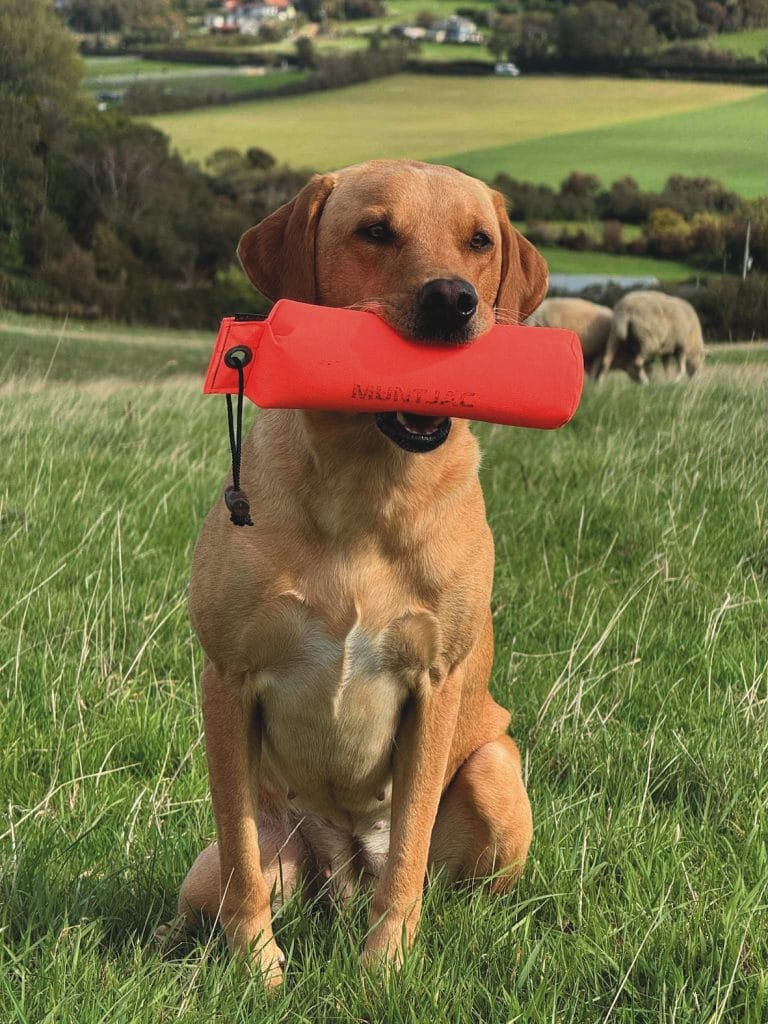
Training a gun dog is a rewarding journey that strengthens the bond between you and your canine companion, ensuring a safe and effective partnership in the field. Success hinges on more than just dedication; it requires the right tools. Equipping yourself with essential Gun Dog Training Accessories can make the process smoother, more effective, and ultimately, more enjoyable. From basic obedience to specialized field work, having the proper gear is fundamental.
The Foundation: Essential Gear for Basic Obedience
Before venturing into the field, a solid foundation in basic obedience is crucial for any gun dog. This stage focuses on establishing clear communication, impulse control, and responsiveness. The right accessories facilitate consistent training and reinforce desired behaviors.
High-Quality Training Collars and Leashes
A well-fitting collar is paramount. For training, a standard flat buckle collar or a martingale collar is often suitable for everyday wear and basic leash work. However, for more focused training sessions, particularly when developing recall or teaching a dog to work at a distance, specialized collars come into play. Slip leads, which naturally tighten with tension and loosen when slack is applied, are invaluable for teaching a dog to walk politely without pulling. They are also excellent for quick on-and-off use during training exercises.
A sturdy, standard 6-foot leash is a must-have for all training. It provides enough length for a dog to explore slightly while still allowing the handler to maintain control and communicate commands effectively. Avoid retractable leashes, as they offer less control and can teach a dog to pull against constant tension.
Whistles for Verbal Cue Control
While hand signals and verbal commands are important, a good training whistle can be a game-changer for gun dog training accessories. Dogs have a far superior hearing range than humans, and a whistle can transmit a clear, consistent sound over long distances, even in noisy environments like the field. Different whistle tones can be used to signal different commands, such as recall or a “stop” command. Learning to use a whistle effectively requires consistent training, associating specific sounds with specific actions, and rewarding the dog accordingly. This method allows for discreet commands without shouting, which can sometimes startle or agitate a dog.
Training Dummies and Retrieving Aids
The retrieve is a cornerstone of gun dog work. Introducing a retrieving dummy, often called a “bumper,” is the first step. These are typically made of durable canvas or rubber and come in various sizes and weights to suit different breeds and stages of training. Start with a soft, easy-to-carry dummy and gradually introduce more challenging ones as your dog progresses.
For developing a soft mouth – ensuring the dog doesn’t damage the game – specialized retrieving aids are available. These might include dummies with textured surfaces or those designed to encourage a gentle grip. Teaching your dog to hold and carry the dummy without puncturing or excessive slobbering is a skill that requires patience and the right tools to reinforce.
Field-Specific Gear for Advanced Training
Once basic obedience is solid, the focus shifts to skills needed in the field. This involves simulating real hunting scenarios and further refining the dog’s abilities. The accessories in this category are designed to enhance performance and safety during these more demanding activities.
Remote Trainers and E-Collars (Used Responsibly)
Remote trainers, often referred to as e-collars, are advanced training accessories used by many experienced handlers for specific gun dog tasks. When used ethically and correctly, they can be highly effective for reinforcing commands at a distance, correcting unwanted behaviors, and developing advanced skills like “heeling” or “staying” in place while the handler is working.
It is critically important to understand that these devices are tools, not punishments. They should only be used after a strong foundation of positive reinforcement has been established, and the dog understands basic commands. Proper education on the use of e-collars, including understanding different levels of stimulation and when to apply them, is essential. Many professional trainers offer courses on the responsible use of remote trainers. Improper use can lead to fear, anxiety, and a breakdown of trust with your dog.
Long Lines for Distance Work
Long lines, typically 30-50 feet in length, are indispensable for training recall and directional commands at a distance. They allow the dog a significant range of movement while still providing the handler with a means to gently guide or correct the dog if it strays too far or ignores a command. This simulates working off-leash in the field, allowing you to build confidence in your dog’s responsiveness before true off-leash work.
Specialty Retrieves: Docks and Electronic Dummies
As training progresses, you might introduce more specialized retrieving tools. Docks, often made of buoyant material, are used to teach dogs to retrieve from water. Electronic dummies can be remotely activated to simulate the unpredictable movement of live game, adding an element of surprise and challenge to the retrieve. These advanced accessories help prepare dogs for the varied situations they might encounter during a hunt.
Safety and Comfort Accessories
Beyond training-specific gear, ensuring your gun dog’s safety and comfort is paramount, both during training sessions and in the field.
Protective Vests and Paw Protection
In dense cover or rough terrain, a protective vest can shield your dog from thorns, burrs, and minor abrasions. Some vests also offer increased visibility with bright colors, making your dog easier to spot. For dogs working in harsh conditions, paw protection, such as boots or balms, can prevent cracking, cuts, and soreness, allowing them to work comfortably and safely.
First-Aid Kit for Dogs
Accidents can happen, especially in the field. A well-stocked canine first-aid kit is a non-negotiable accessory. It should include essentials like bandages, antiseptic wipes, gauze, tweezers, and any specific medications your vet may have recommended. Knowing how to use the items in your first-aid kit and having them readily accessible can be crucial in managing minor injuries until you can seek professional veterinary care.
Choosing the Right Accessories: A Final Word
The world of gun dog training accessories is vast, and the “best” tools often depend on the breed of your dog, your training philosophy, and the specific type of hunting you intend to do. Always prioritize quality, durability, and safety. Remember that no amount of equipment can replace consistent, positive training and a strong understanding of canine behavior.
Investing in the right gun dog training accessories is an investment in your dog’s success and your shared experience. By selecting and using these tools thoughtfully, you pave the way for a well-trained, confident, and capable gun dog partner.
