
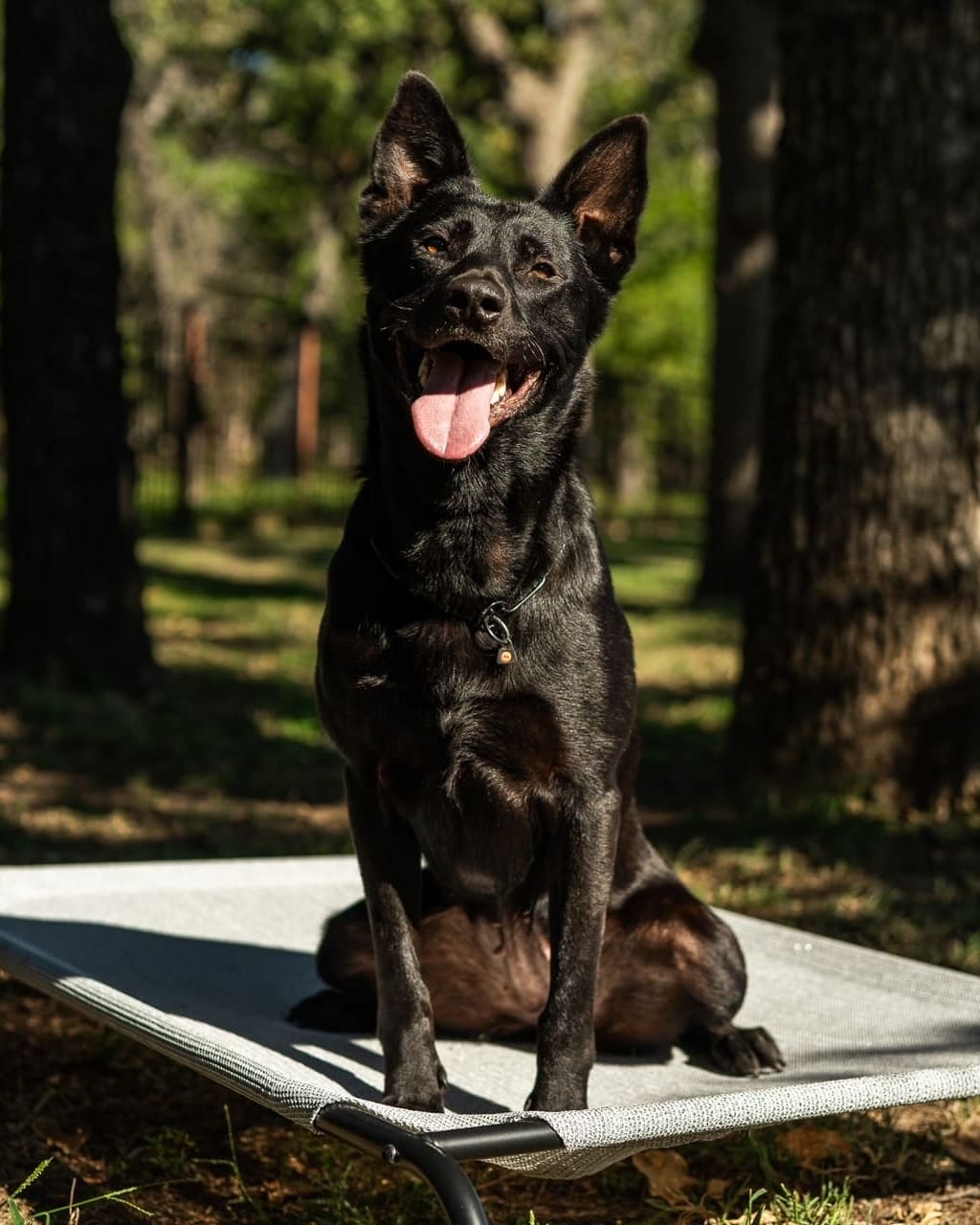
Welcoming a dog into your home is a decision filled with joy, companionship, and responsibility. For many, this responsibility extends to ensuring the safety and security of their property and loved ones. This is where the specialized world of Guard Dog Training Classes comes into play. These programs are designed to harness a dog’s natural protective instincts, channeling them into a well-behaved, reliable guardian. But what exactly do these classes entail, and how do you choose the right one for your canine companion?
The concept of a “guard dog” often conjures images of aggressive, intimidating animals. However, effective guard dog training is far more nuanced. It’s about instilling discipline, enhancing obedience, and teaching a dog to distinguish between a genuine threat and everyday situations. It’s a serious commitment that requires a dedicated owner and a qualified trainer to ensure the dog becomes a valuable asset, not a liability. If you’re considering professional training for your dog, exploring options like south metro dog training inc can provide a solid foundation.
Understanding the Role of a Guard Dog
A true guard dog isn’t just any dog that barks at strangers. It’s a dog specifically trained to alert its owner to potential dangers, deter intruders, and, in some cases, actively protect its family. This training goes beyond basic obedience; it involves developing specific behaviors and temperaments suitable for protection work.
The Difference Between a Watchdog and a Guard Dog
It’s crucial to differentiate between a watchdog and a guard dog.
- Watchdogs are primarily trained to alert their owners to the presence of strangers or unusual activity through barking. They are the first line of defense, signaling that something is amiss.
- Guard dogs, on the other hand, are trained to actively deter, confront, or even incapacitate a threat. This requires a higher level of training, control, and a specific temperament.
For instance, while a vigilant bark is helpful, a dog trained to respond to a command and stand its ground demonstrates a higher level of guard capability. Understanding the nuances of your dog’s potential and your own training goals is vital before enrolling in specialized courses.
What to Expect in Guard Dog Training Classes
Guard dog training classes are not a one-size-fits-all solution. The curriculum can vary significantly based on the training facility, the breed of dog, and the specific goals of the owner. However, most reputable programs will focus on several key areas:
Foundational Obedience
Before any specialized protection training can begin, a dog must have a strong foundation in obedience. This includes commands like “sit,” “stay,” “come,” “down,” and, most importantly, “leave it” or “quiet.” A dog that can be reliably controlled is essential for safety and effectiveness. Without solid obedience, specialized training can become dangerous. This is why understanding the best age to train dog is so important for establishing these crucial early commands.
Alert Barking and Intruder Detection
A primary function of a guard dog is to alert its owner. Training in this area focuses on teaching the dog to bark at specific cues, such as unusual noises or people approaching the property, while also learning to stop barking on command. This prevents nuisance barking and ensures the alert is meaningful.
Controlled Aggression and Deterrence
This is where guard dog training diverges significantly from basic obedience. Trainers work on developing a dog’s confidence and its ability to project a deterrent presence. This might involve controlled scenarios where the dog is encouraged to bark and display a protective stance towards a trained “intruder” (often a professional decoy). The focus is on controlled deterrence, not uncontrolled aggression.
Protection and Apprehension (Advanced Training)
For dogs intended for more serious protection roles, training may include apprehension work. This involves teaching the dog to bite and hold a decoy on command and release on command. This is highly specialized and requires exceptionally well-bred dogs with stable temperaments and extensive training under expert supervision. It’s crucial to note that not all dogs are suited for this level of training, and it demands a high degree of owner commitment and understanding.
Socialization and Behavioral Control
A well-trained guard dog must remain a stable, socialized member of the family and community. Training classes will emphasize the importance of continued socialization with people and other animals. The dog must learn to differentiate between a threat and a normal situation, such as a delivery person or a friendly visitor. Uncontrolled aggression in public or towards known individuals defeats the purpose of having a reliable guardian.
Choosing the Right Guard Dog Training Program
Selecting a training program is a critical decision. The safety of your family and the effectiveness of your dog depend on the quality of instruction. Here are key factors to consider:
Trainer Qualifications and Experience
Look for trainers with certifications from reputable organizations (e.g., CCPDT, IAABC) and a proven track record specifically in protection or guard dog training. Inquire about their methods, their experience with your dog’s breed, and their approach to behavioral issues. A trainer who prioritizes positive reinforcement and control is generally preferred over those who use harsh or aversive methods. You might find excellent resources by searching for specific locations, such as dog training tinley park or dog training queensbury ny, to find local expertise.
Training Methods
Reputable trainers will use science-based methods that focus on positive reinforcement, clear communication, and building a strong bond between dog and owner. Avoid programs that rely heavily on fear, intimidation, or punishment, as these can create an unbalanced or aggressive dog.
Program Structure and Duration
Understand the specifics of the program: How long does it last? What are the class sizes? What is the curriculum? Are there follow-up sessions or support available? Some programs are intensive, while others are spread out over weeks or months.
Suitability for Your Dog’s Breed and Temperament
Not all breeds are suited for guard dog work, and even within breeds, individual temperaments vary greatly. A good training program will assess your dog’s suitability for protection training. Breeds like German Shepherds, Doberman Pinschers, Rottweilers, and Belgian Malinois are often chosen for their natural protective instincts, but many other breeds can also excel with the right training and owner dedication.
Owner Involvement
Effective guard dog training requires significant owner involvement. You’ll need to practice commands, reinforce learned behaviors, and continue socialization efforts. Choose a program that educates and empowers you as the handler. Understanding the different approaches to training, such as those offered in dog walking training courses, can also provide valuable insights into canine behavior and handler techniques.
Frequently Asked Questions About Guard Dog Training Classes
Q1: Can any dog be trained as a guard dog?
While many dogs can be trained to be alert and protective, not all dogs possess the temperament or physical capabilities for advanced guard dog work. It requires a stable temperament, confidence, and strong protective instincts, often found in specific breeds.
Q2: How long does guard dog training take?
The duration varies greatly depending on the dog’s age, breed, temperament, prior training, and the program’s intensity. Basic alert training might take a few months, while advanced protection work can take a year or more.
Q3: Is guard dog training safe for my dog and family?
When conducted by qualified professionals using positive and controlled methods, guard dog training is safe. Improper training, however, can lead to fear-based aggression, lack of control, and increased risk.
Q4: What are the legal responsibilities of owning a trained guard dog?
Laws regarding owning guard dogs vary by region. Owners are typically held to a higher standard of responsibility for their dog’s actions. It’s essential to be aware of local ordinances and to ensure your dog is properly insured.
Q5: How much does guard dog training typically cost?
Costs can range from a few hundred dollars for basic obedience and alert training to several thousand dollars for comprehensive protection programs. Board-and-train programs are often more expensive than weekly classes.
The Commitment to a Guardian
Training a guard dog is more than just enrolling in a class; it’s a lifestyle commitment. It requires dedication, consistency, and a deep understanding of canine behavior. A well-trained guard dog is a loyal protector, a devoted companion, and a valuable member of the family, offering an unparalleled sense of security and peace of mind. By choosing the right training program and committing to the ongoing process, you can help your dog reach its full potential as a trusted guardian.
