
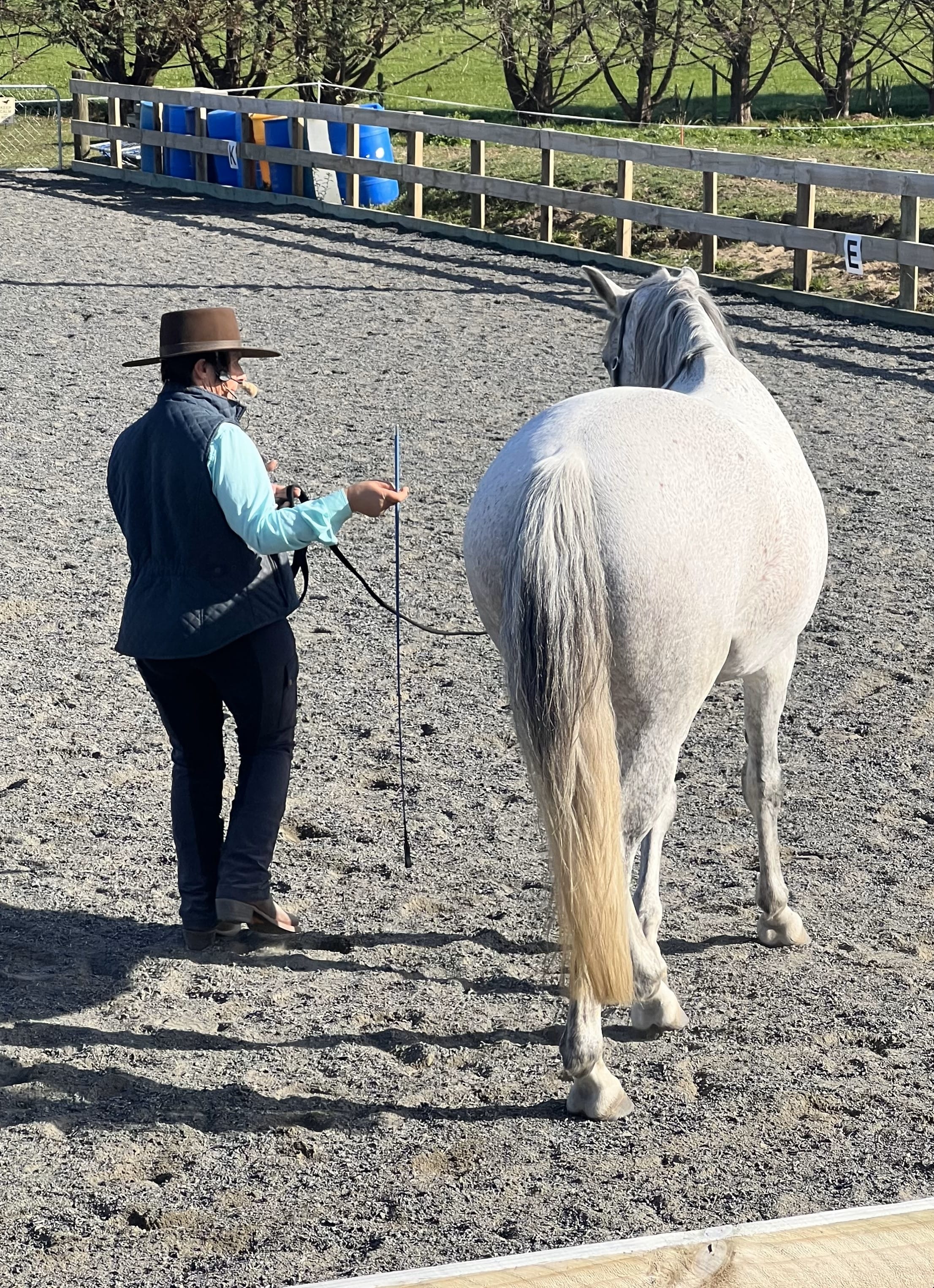
Groundwork training is the foundation upon which a strong and trusting relationship between horse and handler is built. It encompasses a variety of exercises performed from the ground, focusing on communication, respect, and understanding. This type of training is not merely about teaching a horse to lead or stand tied; it’s about developing a partnership based on clear signals and mutual respect, essential for any equestrian discipline, from pleasure riding to competitive sports. Whether you’re a seasoned professional or new to the world of horses, mastering groundwork can significantly enhance your horse’s trainability, safety, and overall well-being.
The Pillars of Effective Groundwork
Effective groundwork rests on several key principles that, when consistently applied, lead to a well-behaved and responsive equine partner. These pillars are not independent but work in synergy to create a comprehensive training approach.
Establishing Leadership and Respect
A horse naturally looks for a leader. As the handler, your role is to demonstrate that you can provide confident and consistent leadership. This doesn’t mean dominance, but rather establishing clear boundaries and expectations. When a horse respects you as a leader, they are more likely to listen to your cues and respond willingly. This respect is earned through consistent application of pressure and release, ensuring the horse understands what is being asked and when they have done it correctly.
Clear Communication Through Body Language
Horses are masters of non-verbal communication, and groundwork trains you to understand and use this language effectively. Every movement, every glance, every shift in weight communicates something to the horse. Learning to use your body language precisely—pointing, stepping in, stepping out, angling your body—allows you to guide, correct, or encourage your horse with subtle cues. This creates a more nuanced conversation between horse and handler, reducing the need for forceful commands.
Building Trust and Confidence
A horse that trusts its handler feels safe and is more willing to try new things and overcome challenges. Groundwork exercises, when introduced gradually and positively, help build this trust. By consistently rewarding effort and understanding, and by ensuring the horse is never put in a frightening or overwhelming situation, you foster an environment where the horse learns to rely on your guidance. This confidence extends beyond the training arena, making the horse more steady and reliable in various situations.
Safety for Both Horse and Handler
Many advanced riding techniques or challenging maneuvers require a solid foundation in groundwork. For instance, understanding how to safely guide a horse through complex patterns or desensitize them to novel stimuli can prevent accidents. A horse that is well-trained from the ground is less likely to spook, bolt, or become unmanageable, thereby significantly increasing safety for everyone involved. This is why many professionals emphasize groundwork before even considering riding.
Essential Groundwork Exercises to Master
There are several fundamental exercises that form the core of any groundwork program. Each serves a specific purpose in developing the horse’s responsiveness and understanding.
Leading and Haltering
This is often the first exercise a horse learns. It’s crucial for teaching the horse to yield to pressure, follow willingly, and stand patiently while being handled. Proper leading involves maintaining a relaxed but firm grip on the lead rope, using body language to guide the horse, and rewarding them for moving with you. The halter should be fitted correctly to avoid discomfort and allow for clear communication.
Desensitization and Novelty Exposure
Horses are prey animals and can be naturally spooky. Groundwork is key to desensitizing them to various objects, sounds, and situations they might encounter. This can involve introducing them to tarps, balloons, clippers, or even strange objects on the trail. The process involves gradual exposure, starting at a distance where the horse is comfortable, and slowly decreasing the distance as they show confidence. Positive reinforcement is vital here to associate these new things with safety and reward.
Yielding to Pressure
This principle is fundamental to all groundwork and riding. It teaches the horse to move away from pressure and relax into a release. Exercises like yielding the hindquarters or forequarters on the ground, or teaching the horse to move sideways, all rely on this concept. The handler applies gentle pressure, and as soon as the horse responds, the pressure is released, marking the correct behavior. This teaches the horse to understand that yielding makes the pressure disappear, which is a powerful motivator.
Backing Up
Teaching a horse to back up willingly and straight on cue is an important exercise for control and safety. It requires clear communication and understanding of yielding to pressure. The handler typically uses focused intention and subtle body cues to signal the horse to move backward. A horse that backs readily can help avoid dangerous situations, such as backing off a trailer incorrectly or moving into an unsafe space.
Round Pen Work
The round pen is a valuable tool for establishing leadership and observing a horse’s natural behavior and responses. Exercises in the round pen often involve encouraging the horse to move away from the handler’s presence (driving) and then calling them in (inviting). This helps the horse understand the handler’s intention and develop respect for their space. It’s a place to practice yielding, focus, and building a connection.
Advanced Groundwork Techniques
Once the foundational exercises are mastered, you can progress to more advanced techniques that further refine the horse’s responsiveness and broaden their skillset.
Lunging and Long-Lining
Lunging involves working the horse in a circle at the end of a long rope. It’s excellent for developing obedience, rhythm, and responsiveness to voice commands and body language from a distance. Long-lining takes this a step further, where the handler stands behind the horse, holding lines that mimic the reins, allowing them to practice driving and steering exercises from a distance that simulates riding. This is a crucial step in preparing a horse for ridden work, as it teaches them to respond to rein aids while maintaining balance and focus. This can be particularly beneficial for horses that may be hesitant about rider’s weight.
Trailering Training
Many horses experience anxiety when it comes to trailers. Groundwork is essential for teaching a horse to approach, load, and unload calmly and safely. This involves patience, positive reinforcement, and gradually desensitizing the horse to the trailer environment. Breaking the process down into small steps—approaching the trailer, touching it, stepping onto the ramp, standing on the ramp, and eventually entering fully—can make a huge difference.
Desensitization to Tack and Rider
Before a horse is ridden, groundwork can be used to accustom them to the feel of a saddle, bridle, and rider. The saddle can be draped over their back, the girth tightened gradually, and the bridle introduced piece by piece. Similarly, a rider can practice mounting and dismounting while the horse stands calmly, or sit on the horse’s back while the handler controls the horse from the ground. This familiarization reduces fear and spooking when ridden.
Teaching Specific Cues and Behaviors
Groundwork can be used to teach a variety of specific behaviors, such as yielding to a specific touch, moving into a specific position, or even performing simple tricks. These exercises often involve shaping behavior through positive reinforcement, rewarding approximations of the desired action until the full behavior is achieved.
Integrating Groundwork into Your Training Routine
Consistency is the cornerstone of successful horse jumping training. Whether you are working on basic obedience or advanced maneuvers, regular, short sessions are far more effective than infrequent, long ones. Aim for daily sessions of 15-30 minutes, focusing on one or two exercises per session.
Always end a training session on a positive note, with a cue the horse performs well, reinforcing their confidence and willingness to work with you. It is also important to consider the environment and ensure that your training area, such as a training ring for horses, is safe and free from distractions.
When selecting horses, understanding their prior training is key. For those seeking experienced partners, looking at trained paint horses for sale can be a good option, provided their training aligns with your needs. However, even well-trained horses benefit immensely from continued groundwork to maintain their responsiveness and partnership with their handler.
Conclusion: The Enduring Value of Groundwork
Groundwork is more than just a preparatory step; it is an ongoing dialogue between horse and handler. It is the art of building a relationship based on mutual respect, clear communication, and unwavering trust. By investing time and patience into these essential exercises, you not only create a safer and more responsive equine partner but also deepen the bond that makes the human-horse relationship so uniquely rewarding. Whether you’re using training lead ropes for horses or simply working in a round pen, the principles of groundwork apply. It is the bedrock of excellence in horsemanship, fostering a partnership that can last a lifetime, much like the dedication seen in renowned trainers such as Steve Rother horse trainer.
