
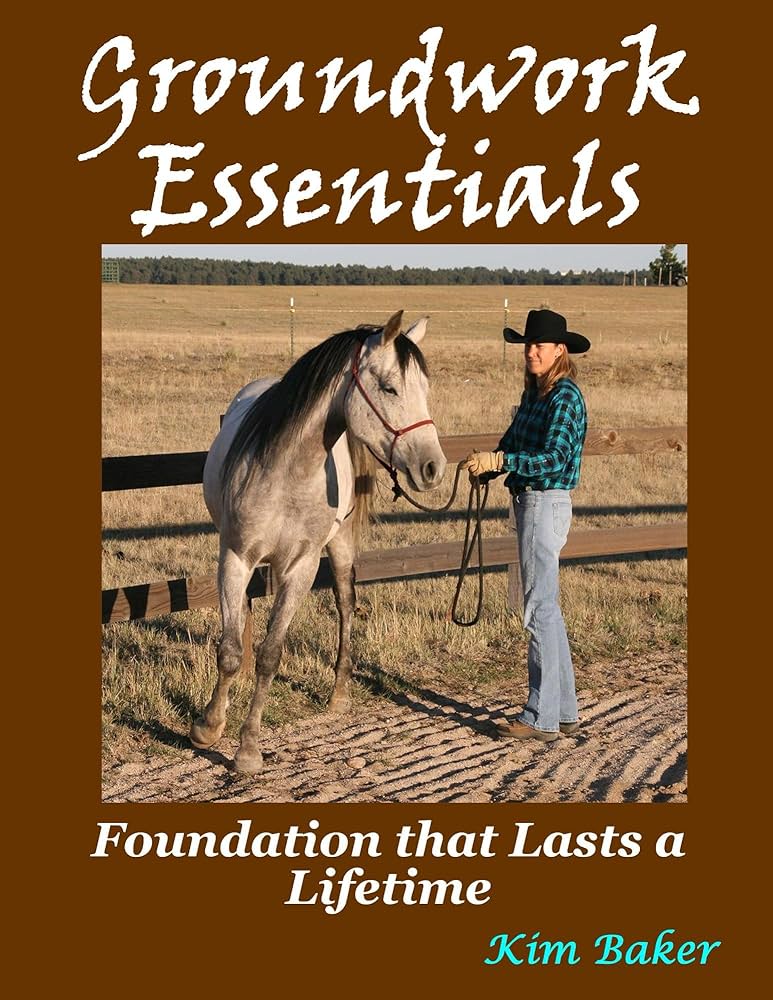
Groundwork horse training is the foundation upon which a trusting and effective partnership is built. It’s about establishing clear communication, building respect, and developing a horse’s understanding and responsiveness on the ground, which directly translates to better performance under saddle. This foundational work is crucial for horses of all ages and disciplines, from starting young prospects to refining the skills of seasoned competitors. By engaging in consistent and thoughtful groundwork, you can enhance your horse’s confidence, improve their willingness to work with you, and ensure a safer, more harmonious relationship for both of you.
The Crucial Role of Groundwork in Horse Training
Groundwork is far more than just preparing a horse to be ridden; it’s a continuous process that shapes their understanding of human cues and expectations. Think of it as the horse’s “job interview” for everything you ask them to do. When done correctly, horse training groundwork fosters mutual respect and understanding. It allows the horse to learn to think and respond to your aids without the complexity of carrying a rider. This is especially vital when introducing new concepts or working with a young horse. The skills learned through groundwork, such as yielding to pressure, responding to voice commands, and moving with intention, are transferable to all aspects of horsemanship.
Understanding the “Why” Behind Groundwork
The primary goal of groundwork is to establish yourself as a confident, fair, and consistent leader. Horses are naturally herd animals, and they look for a leader to provide safety and direction. In the context of groundwork, you are demonstrating that leadership. This involves teaching the horse to respect your personal space, to move away from pressure, and to move towards you when asked. It’s about building a language of trust and communication that doesn’t rely on reins or legs, but on subtle cues and a shared understanding. This deepens the bond and makes the horse more receptive to your requests when you are in the saddle.
Benefits That Extend Beyond the Arena
The advantages of dedicated groundwork extend far beyond the confines of the riding arena. A horse that is well-versed in groundwork is generally safer to handle in all situations. This includes basic tasks like grooming, tacking up, leading, and during farrier or veterinary visits. For instance, teaching a horse to yield their hindquarters on the ground can make farrier work significantly easier and safer. Furthermore, a horse that understands and respects your cues on the ground is less likely to be spooky or reactive when ridden, leading to a more secure and enjoyable experience for the rider. It’s about creating a well-rounded, confident, and responsive equine partner.
Core Groundwork Exercises and Techniques
Effective groundwork relies on a variety of exercises designed to improve communication, responsiveness, and the horse’s overall understanding. Each exercise builds upon the last, creating a comprehensive training system. Consistency and patience are key to success.
1. Leading and Halter Work
Leading is perhaps the most fundamental aspect of groundwork. It teaches the horse to follow your lead, respect your space, and move with you.
- Proper Halter Fit: Ensure the halter fits correctly – not too tight, not too loose. It should be snug enough to convey cues but comfortable.
- Leading Position: Stand beside the horse’s shoulder, holding the lead rope near the halter. Maintain a relaxed but firm posture.
- Asking for Movement: Apply gentle pressure on the lead rope towards the direction you want to go, accompanied by a verbal cue like “walk on.” Release the pressure as soon as the horse moves forward.
- Stopping: Apply slight pressure backward on the lead rope and use a verbal cue like “whoa.” Reward the horse for stopping promptly.
- Respecting Space: Teach the horse not to crowd you or pull ahead. If they push into you, use your elbow or a dressage whip to gently create space. If they lag behind, use a verbal cue or a gentle tug to encourage them forward.
2. Yielding to Pressure (The Foundation of Responsiveness)
This is a cornerstone of many groundwork training for your horse techniques. It teaches the horse to move away from pressure, a vital concept for both groundwork and riding.
- Forequarters Yield: Standing at the horse’s shoulder, apply gentle pressure with your hand or a dressage whip towards their head. Encourage them to step sideways, moving their front end away from the pressure. Reward any forward movement of the feet.
- Hindquarters Yield: Stand facing the horse’s flank, with a safe distance. Apply pressure with a dressage whip or your hand towards their hip. Encourage them to step sideways, moving their hindquarters away from the pressure. Again, reward any yielding.
- Nose to Flank (or Shoulder): Ask the horse to move their head towards your hand or flank. This is a precursor to more advanced exercises and teaches them to follow a point.
3. Desensitization and Habituation
Horses can be sensitive to new objects, sounds, and movements. Desensitization helps them become accustomed to these stimuli, making them less reactive and more confident.
- Introducing Objects: Start with objects the horse might find unusual, like a plastic bag, a tarp, or cones. Introduce them gradually, allowing the horse to see and investigate from a safe distance.
- Applying Gentle Movement: Once the horse is comfortable, gently wave the object near them, always watching their reaction. If they show signs of stress, back off and try again later. The goal is to associate the object with calm, not fear.
- Using a retractable horse training flag: A flag can be an excellent tool for teaching a horse to be calm around waving objects. Start by holding it still, then gradually introduce gentle movement, rewarding calm behavior.
4. Lunging and Circle Work
Lunging is a fantastic way to teach a horse to respond to voice commands, maintain a consistent gait, and develop rhythm and balance.
- Setting Up: Use a longe line and a longe whip. The whip is used as an extension of your arm, not for punishment.
- Verbal Cues: Use clear verbal commands for “walk,” “trot,” and “halt.”
- Body Language: Your posture and energy play a significant role. Facing the horse and using your body to guide them can be very effective.
- Developing Responsiveness: Ask the horse to change gaits or direction. Reward them with a release of pressure and praise when they respond correctly. This is also a great way to practice groundwork training with a young horse as it helps them focus and learn boundaries.
Advanced Groundwork Concepts
As your horse becomes more proficient, you can introduce more complex exercises that further refine their responsiveness and build a deeper understanding.
1. Backing Up on Cue
Teaching a horse to back up willingly on command is a crucial safety skill.
- Initiating the Cue: Stand in front of your horse and use a calm, forward-facing posture with a slight forward hand cue, and a verbal cue like “back.”
- Applying Gentle Pressure: If the horse doesn’t respond, apply slight pressure to their chest or shoulders.
- Rewarding Movement: Reward even the smallest step backward. Gradually increase the number of steps you ask for.
- Consistency is Key: Ensure you are always asking for the same thing in the same way.
2. Lateral Movements (Side-Passing)
Side-passing on the ground can be a precursor to riding maneuvers and teaches the horse to move their feet independently.
- Setting Up: Stand at the horse’s shoulder and ask them to move laterally away from your body, crossing their front legs over their back legs.
- Using the Whip: A dressage whip can be used to point towards the direction you want them to move and to gently encourage forward-sideways motion.
- Focus on Hindquarters: The goal is to get the hindquarters to follow the forequarters.
3. Simulating Riding Cues
This involves introducing elements that mimic riding aids to prepare the horse for saddle work.
- Using a Saddle Pad or Light Saddle: Gently drape a saddle pad or a very light saddle over the horse’s back. Allow them to get used to the weight and feel.
- Introducing the Saddle: Once they are comfortable with the pad, introduce a lightweight saddle, allowing them to feel the cinch tighten slightly. Always reward calmness.
- Tapping with the Whip: Gently tap the horse with the dressage whip on their sides, mimicking leg cues.
Considerations for Effective Groundwork
Beyond specific exercises, several overarching principles contribute to successful groundwork training.
The Importance of Patience and Consistency
Horses learn at their own pace. Rushing the process can lead to frustration for both horse and handler, undoing much of the progress made. Each session should be positive and rewarding. Consistent application of cues and expectations is vital. If you are inconsistent, your horse will become confused, leading to unpredictable behavior.
Reading Your Horse’s Body Language
Learning to read your horse’s subtle cues is paramount. Flattened ears, a tense jaw, swishing tail, or wide eyes can all indicate stress or anxiety. Recognizing these signs allows you to adjust your approach, back off when necessary, and prevent a minor issue from escalating into a full-blown problem. Conversely, relaxed ears, soft eyes, and a loose tail often signal a willing and comfortable partner.
Safety First: Creating a Secure Environment
Always prioritize safety. Ensure your groundwork area is free of hazards. Be aware of your horse’s “flight zone” and maintain a safe distance when necessary. Never tie a horse in a way that could lead to entanglement. If you are unsure about an exercise or your horse’s reaction, it’s always best to seek guidance from an experienced trainer. For those looking to deepen their knowledge, considering horse training online courses can provide structured learning and expert advice.
Groundwork horse training is a journey, not a destination. It’s an ongoing conversation between you and your horse that builds trust, understanding, and a partnership that will enrich both your lives. By dedicating time to these fundamental exercises, you are investing in a stronger, safer, and more harmonious future with your equine companion.
