
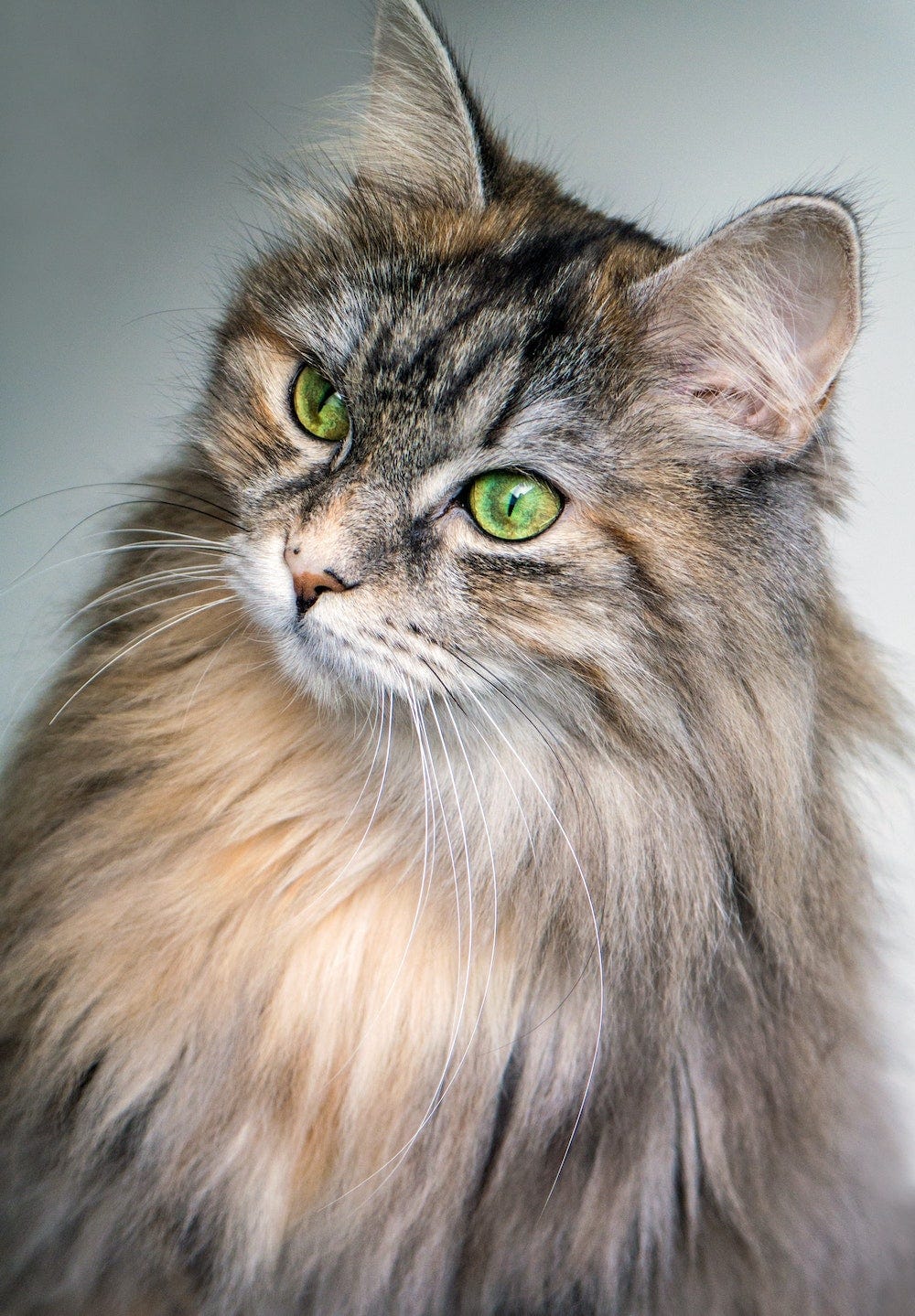
If you’re looking for a companion that combines striking beauty with a loving and intelligent nature, the Siberian cat might be your perfect match. Known for their powerful build, lustrous coats, and remarkably gentle demeanor, these felines are a testament to their resilient Russian heritage. Often called Siberian Forest cats or Moscow Longhairs, they are a medium to large breed, with males typically weighing between 15 to 20 pounds. Their robust, alert, and adventurous spirit is matched by their soft hearts, making them adaptable to various home environments, even getting along famously with dogs. This breed’s unique adaptation to harsh climates has resulted in a magnificent, triple-layered coat and a captivating presence that has charmed cat enthusiasts for centuries.
Origins and History of the Siberian Cat
The Siberian cat’s story is deeply rooted in the ancient, dense forests of Siberia, with origins dating back at least 1,000 years. It’s even speculated that these elegant cats may be the ancestors of all modern longhair breeds. Their early history is somewhat mysterious, but it’s believed they sought refuge and companionship with humans near farms, shops, and monasteries to escape the severe Siberian winters. Their valuable hunting skills, particularly in rodent control, made them welcome additions to these human settlements. The breed’s journey to the West is less documented, but they are thought to have arrived in the U.K. with Russian immigrants. Their presence in England was noted in the late 19th century, appearing in early cat shows. However, it wasn’t until 1990 that Siberian cats made their debut in the United States, thanks to the determined efforts of an enthusiast who carefully negotiated their import. Despite their growing popularity, Siberians remain relatively rare in the U.S., adding to their unique appeal.
Key Attributes and Characteristics
Siberian cats possess a unique blend of strength and agility. They are powerfully built with hind legs slightly longer than their front legs, enabling them to be exceptional jumpers and highly athletic. Visually, they share some similarities with Maine Coons and Norwegian Forest cats, but are distinguished by their rounder heads, larger paws, and expressive, typically green or gold, round eyes that give them a perpetually friendly appearance. Their most striking feature is their dense, triple-layered coat, comprising coarse guard hairs, fine wavy awn hairs, and a dense, woolly undercoat. This luxurious coat provides insulation against extreme cold. While tabby patterns are common, Siberians can be found in a wide array of colors and patterns, including solids, tortoiseshells, and color points.
Beyond their physical attributes, Siberians are known for their high intelligence and energetic nature. They are natural problem-solvers and adventurers, often found exploring high places. Expect to discover your Siberian perched atop the refrigerator, surveying their domain, or even playfully investigating ceiling fixtures. They also enjoy engaging puzzle toys and readily learn new tricks. In terms of affection, Siberians are devoted companions without being overly clingy. They appreciate human interaction and will often follow their owners from room to room, patiently waiting for their turn for cuddles. Their adaptable temperament means they are generally unfazed by household noises and strangers, and when properly introduced, they coexist harmoniously with children, dogs, and other pets, making them wonderful additions to family life. If you’re considering adding another feline to your household, exploring rare exotic cat breeds might reveal other fascinating companions.
Grooming and Essential Care
Despite their abundant, triple-layered coats, Siberian cats are surprisingly low-maintenance in terms of grooming. Their glossy fur requires brushing only once or twice a week to prevent tangles and mats. However, during their seasonal shedding periods—a heavy molt at the end of winter and a lighter one in the summer—daily brushing is recommended to manage loose fur. Regular nail trims, typically weekly, are also important. It’s crucial to check your cat’s ears regularly for any signs of redness or unusual odors, as these could indicate an ear infection, and consulting with your veterinarian is advised if any concerns arise. Incorporating teeth brushing a few times a week will contribute to your feline friend’s overall oral health.
Are Siberian Cats Hypoallergenic?
The claim that Siberian cats are hypoallergenic is a topic of discussion. While it’s true that Siberians often produce lower levels of Fel d 1—a protein found in cat saliva and dander that triggers allergic reactions—they can still produce enough to cause symptoms in sensitive individuals. Therefore, while they might be a better option for some allergy sufferers, they are not completely allergen-free.
Special Considerations for Siberian Cats
Siberians are inherently social creatures. If you’re considering adopting one, it’s often recommended to adopt a pair, as they tend to thrive with feline companionship. Their adventurous spirit, while entertaining, means owners should be mindful of potential hazards in the home. Secure breakable items on high shelves and consider providing vertical spaces, such as a tall cat tree, to satisfy their climbing instincts and keep them safely entertained. For those fascinated by feline diversity, exploring korean cat breeds can offer insights into other unique cat types.
Common Health Issues
As a naturally developed breed, Siberian cats are generally robust and healthy. The primary congenital condition to be aware of is hypertrophic cardiomyopathy (HCM), a common heart condition in cats characterized by the thickening of the heart muscle. Regular veterinary check-ups, including cardiac screenings, are recommended for Siberians to detect any early signs of HCM. Siberians tend to reach reproductive maturity earlier than many other breeds, sometimes as young as five months, and often have larger litters. To prevent unwanted litters and promote overall health, spaying or neutering your Siberian cat at an appropriate age is highly advised, in line with recommendations from organizations like the ASPCA®.
Top 5 Siberian Cat Fun Facts
- The Siberian cat proudly holds the title of the national cat of Russia.
- Unlike many other breeds, a Siberian cat’s shedding cycle is primarily influenced by changes in daylight hours rather than temperature fluctuations.
- The 2016 film “Nine Lives” featured a Siberian cat, with Kevin Spacey’s character’s consciousness inhabiting the feline.
- Siberians are known for their strong family bonds. Mother cats often form exclusive pairs with a single mate, and fathers actively participate in kitten-rearing.
- With their water-repellent coats, Siberian cats often have an unusual affinity for water and may even enjoy joining their owners for a shower! Discovering the most expensive cat in the world can be an interesting comparison to the unique value of the Siberian.
Naming Your Siberian Cat
Choosing a name for a Siberian cat, with their distinctive personalities and large presence, is an exciting endeavor. Consider names inspired by their Russian heritage, such as Lena, Amur, Obie (from the River Ob), Yenisei, or Baikal. Alternatively, honor Elizabeth Terrell, who brought the breed to the U.S., or one of her foundational cats like Naina. Names reflecting their adventurous spirit, inspired by famous explorers, also suit this breed well, such as Magellan, Lewis, Boone, Leif, or Yuri. Whether you choose a name inspired by nature, history, or their unique traits, ensure your Siberian is protected. Getting a quote for pet insurance can provide peace of mind for covering your beloved feline companion, from their playful antics to their luxurious coats.
