
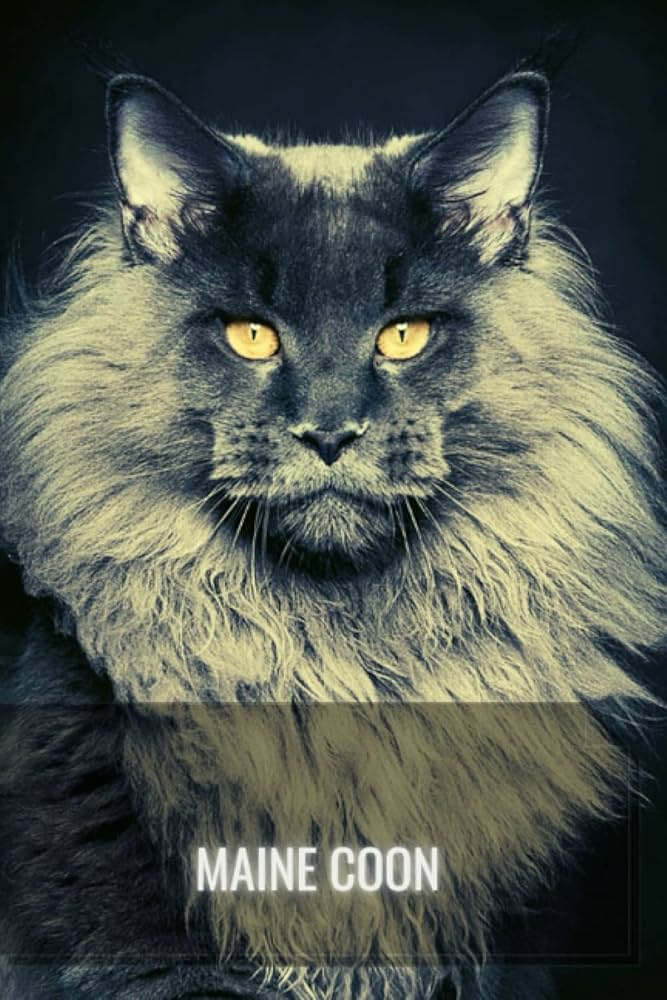
The Maine Coon, often hailed as the “gentle giant” of the cat world, is a breed beloved for its impressive size, striking appearance, and remarkably affectionate personality. Originating from the northeastern United States, these long-haired beauties have captured the hearts of pet parents for centuries. This guide delves into the fascinating history, physical characteristics, personality traits, and essential care needs of the Maine Coon, offering insights for both prospective and current owners.
Unraveling the Origins of the Maine Coon
The precise beginnings of the Maine Coon are shrouded in a bit of mystery, with several captivating origin stories attempting to explain their presence. While concrete evidence is scarce, these tales add to the breed’s allure.
One popular, albeit scientifically impossible, legend suggests that Maine Coons are the result of an interspecies hybrid between raccoons and longhaired cats. This myth likely arose due to the breed’s large size, bushy, ringed tails, and a general robustness.
Another theory points to European royalty, specifically Marie Antoinette, who supposedly bred Maine Coons in France. Her cats were allegedly sent to America ahead of her planned escape, though she never made it to join them. This story, while romantic, is largely considered anecdotal.
A more plausible explanation suggests that the breed arrived in the United States via ships, possibly those of early settlers or even Viking explorers. This theory is supported by the Maine Coon’s striking resemblance to the Norwegian Forest Cat, indicating a shared ancestry or at least a similar adaptation to cold climates.
A Storied History in America
Regardless of their exact arrival, Maine Coons have a documented history in the northeastern United States dating back to the 19th century. The first written mention of the breed appears in F.R. Pierce’s 1861 publication, “The Book of the Cat,” which describes a feline named “Captain Jenks of the Horse Marines.” Pierce noted the breed’s deep roots in the region, stating they “just ‘growed,’ for their advent reaches far back beyond the memory of the oldest inhabitant.”
Maine Coons thrived in the colder climates of the Northeast due to their sturdy build and thick, water-repellent fur. They were highly valued as skilled mousers and admired for their striking beauty. The breed gained significant recognition in the late 19th century, winning cat shows in major cities like Boston and New York. Notably, a Maine Coon cat named Cosi won the first major cat show held in America in 1895, solidifying their status as a premier breed.
Understanding Maine Coon Physical Characteristics
Maine Coons are renowned for their impressive size, often earning them the title of the largest domestic cat breed.
Size and Lifespan
These magnificent felines can reach weights of up to 18 pounds, with even smaller individuals typically weighing at least 9 pounds. They possess a sturdy, muscular frame and a long, rectangular body, often draped luxuriously over furniture. Maine Coons are slow-growing cats, taking approximately five years to reach their full adult size.
The average lifespan for a Maine Coon is generally between 9 and 15 years. However, this can be influenced by various factors, including genetics, diet, overall health, and living conditions.
Coat and Features
The Maine Coon’s most distinctive feature is its long, luxurious coat, which comes in a wide array of colors and patterns. This dense fur, often featuring a ruff around the neck and a bushy tail, is perfectly adapted to colder climates. They also have large, tufted paws that historically served as natural snowshoes, aiding in their movement across snowy terrain.
While their natural hardiness is impressive, the American Society for the Prevention of Cruelty to Animals® (ASPCA®) recommends keeping all cats indoors to protect them from potential dangers such as altercations with other animals, the transmission of contagious diseases, and parasitic infections. [cite:3, cite:4]
The Affectionate Maine Coon Personality
Beyond their striking looks, Maine Coons are celebrated for their incredibly laid-back and friendly personalities. They are known for being patient and good-natured with children, other cats, and even dogs, making them excellent family pets.
Maine Coons are highly people-oriented and often enjoy the company of their owners, following them around the house with gentle curiosity. While they appreciate affection and will readily cuddle when invited, they are not overly demanding and are also content to entertain themselves or rest nearby. Their vocalizations are often described as chirps, trills, or gentle meows, adding to their unique charm.
Intriguingly, many Maine Coons exhibit a fascination with water, a trait uncommon in other feline breeds. You might find them observing a running faucet or even playing with water in their bowls. They also retain their natural mousing instincts, enjoying playful antics like chasing and retrieving toys, often with a gentle and dignified demeanor.
Essential Care for Your Maine Coon
While Maine Coons are generally easygoing, providing consistent and attentive care is crucial for their well-being.
Grooming Needs
Despite their long and abundant coats, Maine Coons are surprisingly moderate shedders and their silky fur is less prone to matting than some other longhaired breeds. Nevertheless, regular brushing, ideally twice a week, is recommended to keep their coat in good condition and to prevent tangles. Many Maine Coons enjoy this grooming process, viewing it as a bonding experience. Special attention should be paid to their tails, which can occasionally require extra cleaning.
Regular Veterinary Care
Like all breeds, Maine Coons are susceptible to certain genetic health conditions. Regular veterinary check-ups are essential for early detection and management of potential issues. These can include hypertrophic cardiomyopathy (HCM), a form of inherited heart disease, and spinal muscular atrophy (SMA), which can affect their gait but typically does not cause pain. Hip dysplasia is another concern that can lead to lameness and should be screened for via X-ray.
Maintaining a Healthy Weight
It’s important to distinguish between a Maine Coon’s natural large size and unhealthy weight gain. Obesity can lead to a host of health problems. Ensuring your cat receives ample playtime, including activities that encourage running, jumping, and chasing toys, is vital for maintaining a healthy weight and providing mental stimulation. A consistent, balanced diet is also key to managing their weight effectively.
Fascinating Maine Coon Facts
- In 1985, the Maine Coon was officially recognized as the state cat of Maine, a rare honor bestowed upon only a few animal symbols.
- Their dog-like devotion to their owners has earned them the nickname “the dog of the cat world.”
- Maine Coons boast an impressive range of up to 75 unique color combinations.
- Their dense, water-repellent fur makes them uniquely suited to, and often fond of, water.
- While some can reach substantial weights, extreme sizes often indicate obesity rather than natural growth.
- A Maine Coon holds the Guinness World Record for the longest domestic cat, measuring over four feet in length.
- The gentle head-butt, a sign of deep affection, is a common and endearing habit among these cats, often accompanied by loud purring.
Naming Your Maine Coon
Choosing a name for your Maine Coon can be inspired by their majestic appearance, gentle nature, impressive size, or historical roots. Consider names that reflect their American heritage or their regal presence.
Here are a few name suggestions to spark inspiration:
- Adonis
- Artemis
- Boots
- Bruce
- Captain
- Duchess
- Harry
- Hunk
- Kennebunk
- Longfellow
- Leo
- Marie
- Maude
- Tuffy
- York
Ultimately, the perfect name will emerge, reflecting your unique Maine Coon’s individual personality and charm.
The information provided in this article is intended for educational and informational purposes only and does not constitute professional veterinary advice. Always consult with your veterinarian for any health concerns or before making any decisions related to your pet’s health or care.
