
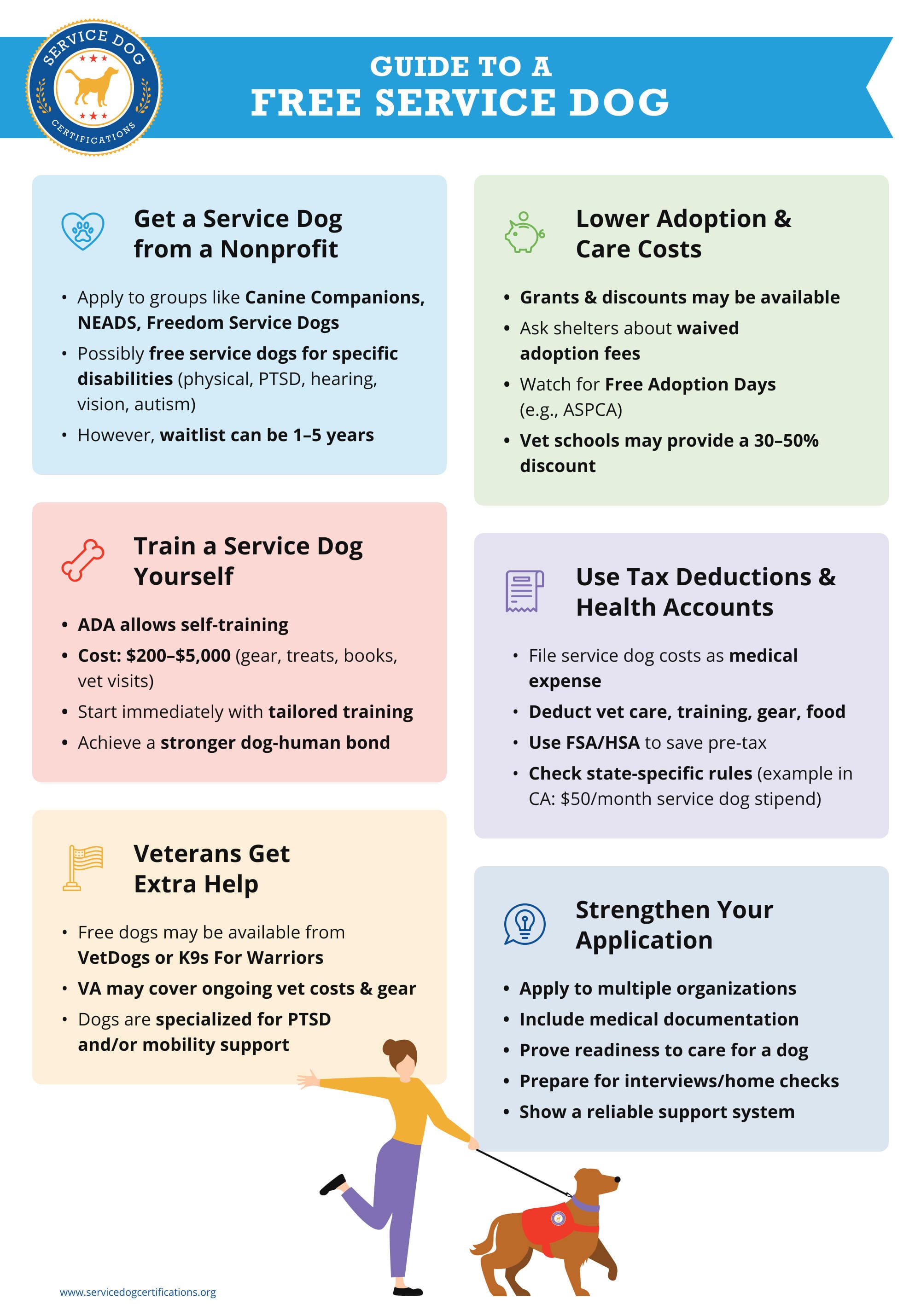
Navigating the world of service animals can feel overwhelming, especially when you encounter the significant costs involved. The quest for Grants For Service Dog Training is a common and crucial step for many individuals with disabilities who need the support of a highly skilled canine partner. These incredible animals are more than pets; they are lifelines, trained to perform specific tasks that mitigate their handler’s disability. However, the price tag for acquiring and training a service dog can range from $15,000 to $50,000, a sum that is out of reach for many. This guide is designed to illuminate the path toward securing financial assistance, helping you turn the dream of a service dog partnership into a reality.
Understanding how to access these funds is a journey in itself, one that requires research, preparation, and persistence. For those just starting, learning about the process is similar to understanding the fundamentals of a specialized skill, such as knowing how to train a dog to sense seizures, as it involves specific knowledge and steps.
The High Cost of a Helping Paw: Why Is Training So Expensive?
Before diving into funding options, it’s essential to understand what contributes to the high cost of a service dog. This isn’t just about teaching a dog to sit or stay; it’s a multi-year process involving highly specialized skills tailored to an individual’s specific needs.
The expenses begin long before the dog even meets its future handler. They include:
- Purposeful Breeding: Many service dogs come from specific breeding programs that select for temperament, health, and trainability.
- Early Socialization: From a young age, puppies are exposed to countless sights, sounds, and environments to ensure they are calm and confident in public.
- Veterinary Care: Comprehensive health screenings, vaccinations, and spaying/neutering are standard to ensure the dog is fit for a long working life.
- Expert Training: This is the most significant cost. Professional trainers spend 18-24 months teaching the dog public access manners and specific, disability-mitigating tasks.
- Team Training: Once a dog is matched with its handler, they undergo weeks of intensive training together to build a strong, effective partnership.
These combined costs are what make grants for service dog training not just helpful, but absolutely essential for most people.
Where to Find Grants for Service Dog Training
Financial aid for service dogs comes from various sources, each with its own mission and eligibility requirements. It’s crucial to research each organization thoroughly to find the best fit for your situation.
National Non-Profit Organizations
Many national non-profits are dedicated to providing service dogs to individuals in need. These organizations often have their own breeding and training programs and provide dogs to qualified applicants at little to no cost. While they don’t give out “grants” in the traditional sense, they absorb the cost themselves through fundraising and donations. The application process can be long, with waitlists sometimes spanning several years.
Examples of such organizations include:
- Canine Companions for Independence: Provides assistance dogs for adults, children, and veterans with a wide range of disabilities.
- Paws With A Cause: Trains assistance dogs for people with disabilities, including hearing dogs, service dogs, and seizure response dogs.
- Guide Dog Foundation for the Blind: Offers guide dogs to people who are blind or have low vision.
Grants Specifically for Military Veterans
Veterans are a significant focus for many service dog grant programs, particularly for those dealing with Post-Traumatic Stress Disorder (PTSD), Traumatic Brain Injury (TBI), and mobility issues. The Department of Veterans Affairs (VA) does not directly pay for service dogs but may cover veterinary care and equipment for dogs that are trained by an accredited organization. Several non-profits specialize in helping veterans.
- K9s For Warriors: Dedicated to providing service canines to veterans suffering from PTSD, TBI, and/or military sexual trauma.
- Patriot PAWS Service Dogs: Trains and provides service dogs of the highest quality at no cost to disabled American veterans.
- America’s VetDogs: Provides service dogs to veterans and first responders with disabilities.
Condition-Specific Financial Assistance
Some funding sources are dedicated to individuals with specific medical conditions. If you are seeking a dog for a particular disability, researching organizations focused on that condition can be highly effective.
- For Autism: Organizations like the Autism Service Dogs of America (ASDA) provide dogs specifically trained to support children with autism.
- For Seizures: Groups such as the Epilepsy Foundation may offer resources or direct you to partners that provide seizure alert dogs.
- For Diabetes: Many programs, though often smaller and local, help fund diabetic alert dogs that can sense changes in blood sugar levels.
As Dr. Alistair Finch, a sociologist specializing in human-animal support systems, notes:
“Targeted, condition-specific grant programs are often more effective because they possess a deep understanding of the client’s unique challenges. This allows them to tailor not just the dog’s training but also the financial support structure to be truly impactful.”
Finding local programs can also be fruitful. A search for something like service dog training greensboro nc might reveal regional organizations with dedicated funding for residents.
How to Successfully Apply for a Service Dog Grant
Securing a grant requires more than just filling out a form. It’s about presenting a clear, honest, and compelling case for why a service dog would be life-changing for you.
Step 1: Gather Comprehensive Documentation
Organizations need to verify your disability and your need for a service dog. Be prepared to provide:
- Medical Records: A formal diagnosis from a licensed medical professional.
- Letter of Recommendation: A letter from your doctor or therapist explaining why a service dog is a necessary part of your treatment plan.
- Financial Statements: Proof of income or financial hardship, as most grants are needs-based.
- Personal References: Contacts who can speak to your character and ability to care for a dog.
Step 2: Write a Compelling Personal Story
Your application is your chance to tell your story. Don’t just list your medical conditions; explain how your disability impacts your daily life. Describe the specific tasks a service dog would perform and how those tasks would improve your independence, safety, and quality of life. Be authentic and heartfelt. Explain your home environment and how you plan to care for the dog once you receive it.
Step 3: Research and Meet Eligibility Criteria
Pay close attention to the specific requirements of each grant. Some may be limited to a specific state, disability, or age group. Applying for grants for which you are not eligible wastes your time and the organization’s. Create a spreadsheet to track deadlines, required documents, and contact information for each program. This process of finding the right fit is crucial, much like finding the right program for service dog training indianapolis requires looking at local options.
Step 4: Prepare for the Interview
If your application is selected, you will likely have an interview, which could be in-person, over the phone, or via video call. This is a chance for the organization to get to know you better. Be prepared to answer questions about your lifestyle, support system, and understanding of the responsibilities of being a service dog handler.
What If You Don’t Qualify? Alternative Funding Strategies
If you are denied grants or are on a long waitlist, don’t lose hope. There are other avenues to explore for funding your service dog.
- Personal Fundraising: Platforms like GoFundMe have become a popular way for individuals to raise money for significant medical expenses, including service dogs. Share your story widely on social media and with local community groups.
- Local Service Clubs: Organizations like the Lions Club, Rotary Club, or Kiwanis often support community members in need. Reach out to your local chapter to see if they can help.
- Owner-Training Programs: While still a significant commitment of time and money, owner-training can be less expensive than acquiring a fully trained dog from an organization. You would work with a professional trainer to teach your own dog the necessary skills. You may even be able to find resources for this approach, such as guides on where to get a trained service dog that you could adapt for your situation.
Frequently Asked Questions (FAQ)
How long does it take to get a grant for a service dog?
The timeline varies widely. After submitting an application, it can take anywhere from a few months to several years to be approved and matched with a dog, especially from large non-profits with long waitlists.
Can I get a grant to train my own pet dog to be a service dog?
This is less common. Most organizations that provide grants for service dog training fund dogs from accredited programs. However, some smaller foundations may offer assistance for owner-training if you work with a certified professional trainer.
Do I have to pay the grant money back?
No. A grant is a gift and does not need to be repaid. This is different from a loan, which requires repayment.
What costs are my responsibility after receiving a service dog?
Even if the dog is provided at no cost, you are responsible for all ongoing expenses, including high-quality food, veterinary care, grooming, toys, and supplies. These costs can average $1,000 – $2,000 per year.
Can I get a service dog grant for an emotional support animal (ESA)?
No. Grants are designated for service dogs, which are specifically trained to perform tasks for a person with a disability. Emotional support animals provide comfort but are not trained to do specific tasks and do not have the same public access rights.
Your Path Forward to a Canine Partner
The journey to securing grants for service dog training is a marathon, not a sprint. It requires patience, diligence, and a proactive approach. By thoroughly researching organizations, preparing a strong application, and exploring all possible avenues for funding, you can significantly increase your chances of success. A service dog can provide a level of independence and security that is truly priceless, and with the right resources, this life-changing partnership is within your reach.
