
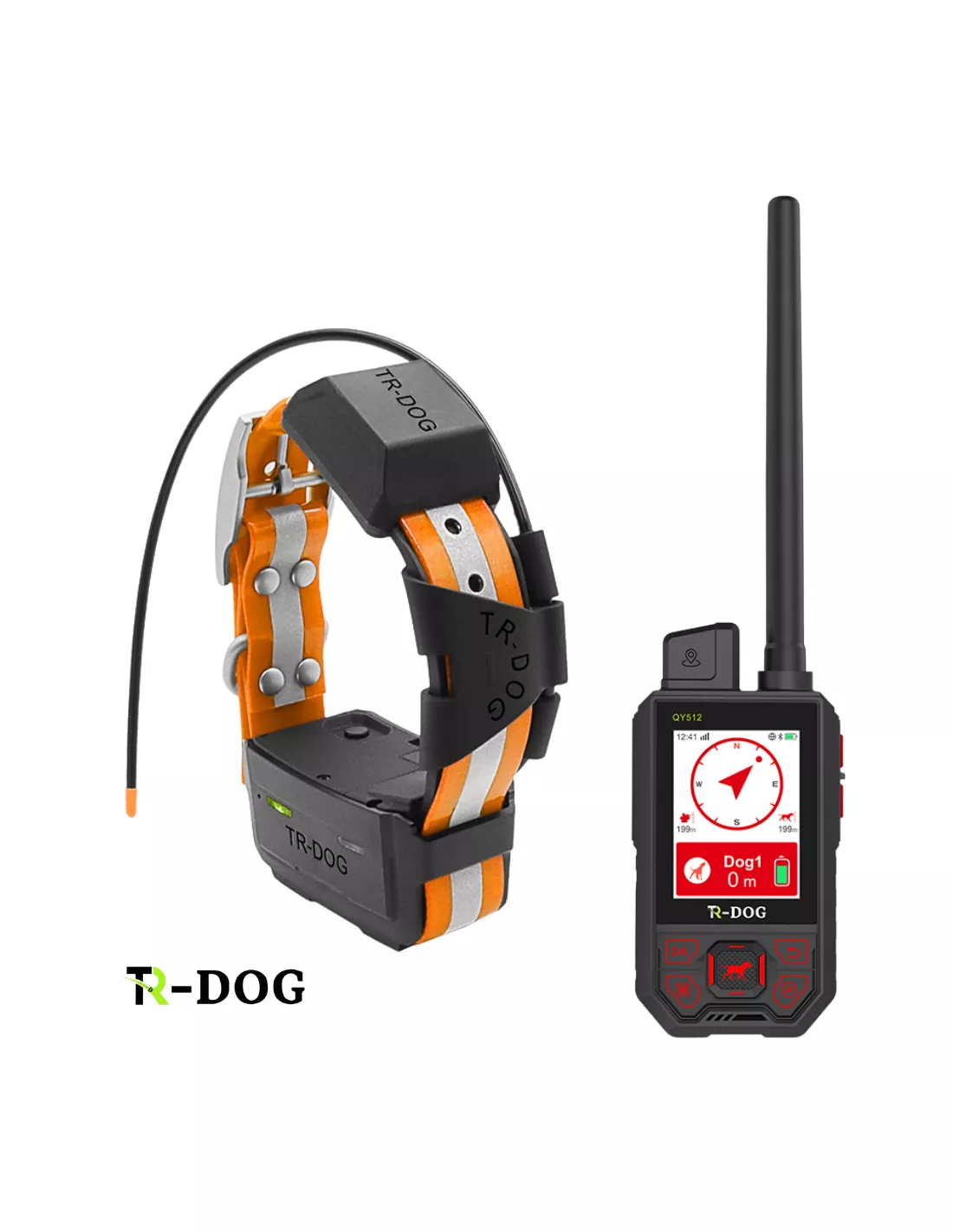
The bond between humans and dogs is a special one, built on trust, understanding, and shared experiences. As our canine companions become integral members of our families, ensuring their safety and well-being is paramount. In today’s technologically advanced world, innovative tools have emerged to aid in this very mission. One such groundbreaking development is the Gps Training Dog Collar, a device that blends the essential functions of training with the peace of mind offered by real-time tracking.
This isn’t just another gadget; it’s a sophisticated piece of equipment designed for the modern dog owner who values both effective training and the security of knowing where their beloved pet is at all times. Whether you’re dealing with a curious escape artist, a dog that tends to wander, or simply want an extra layer of security during outdoor adventures, a GPS training dog collar offers a comprehensive solution. Let’s delve into the world of these remarkable devices and explore how they can revolutionize the way you care for and train your dog.
Understanding the Technology: How GPS Training Collars Work
At its core, a GPS training dog collar combines two primary functionalities: GPS tracking and electronic training. The GPS component utilizes satellite technology to pinpoint your dog’s location, transmitting this data to your smartphone or a dedicated handheld device. This allows you to monitor your dog’s whereabouts in real-time, view their movement history, and set up geofences – virtual boundaries that alert you if your dog strays too far.
The training aspect typically involves customizable stimulation levels, delivered through a remote control or an app. These levels can range from vibration or tone alerts to mild electrical stimulation, designed to correct unwanted behaviors or reinforce commands. The beauty of these collars lies in their integrated nature; you can track your dog’s location and simultaneously guide their behavior, creating a more effective and efficient training experience.
The Core Components: GPS and Training Integration
The seamless integration of GPS and training features is what sets these collars apart. Imagine being able to correct your dog the moment they approach a forbidden area, or knowing precisely where they are if they bolt out the door. This dual functionality provides an unparalleled level of control and reassurance for dog owners.
Why Choose a GPS Training Dog Collar? Key Benefits
The advantages of using a GPS training dog collar extend far beyond simple tracking or basic training. They offer a holistic approach to responsible dog ownership, addressing several common concerns dog parents face.
Enhanced Safety and Security
The most immediate benefit is the heightened safety it provides. For dogs with a propensity to wander or those living in areas with unfenced yards, the GPS tracker acts as a vital safety net. You can receive instant alerts if your dog breaches a geofence, allowing you to act swiftly to bring them back home safely. This is particularly crucial for breeds known for their exploratory nature or for dogs that have a history of escaping.
Effective Behavior Correction and Training
Beyond just safety, these collars are powerful training tools. They enable you to provide immediate, consistent feedback for unwanted behaviors, such as excessive barking, digging, or running off. The ability to use vibration or tone as a warning before a mild stimulation can be incredibly effective in teaching your dog boundaries and reinforcing commands, making training sessions more productive. This integrated approach ensures that your training efforts are reinforced not just at home, but wherever your dog may roam.
Peace of Mind for Owners
Knowing your dog is safe and well-behaved, even when you’re not in direct sight, brings an invaluable sense of peace. Whether you’re at work, running errands, or enjoying a hike in an unfamiliar area, the ability to check on your dog’s location and training status can alleviate a great deal of anxiety. This is especially true for owners of rescue dogs who may have a history of abandonment or anxiety.
Building a Stronger Bond
Paradoxically, using technology to train and monitor your dog can actually strengthen your bond. By understanding your dog’s behavior patterns through GPS data and providing consistent, fair training, you build a deeper level of communication and mutual respect. This technology allows you to be a more informed and responsive owner, fostering a relationship built on trust and clear understanding. Exploring options like a vibrating dog training collars can be a good starting point for owners who prefer less intense training methods.
Features to Look For in a GPS Training Dog Collar
When selecting the right GPS training dog collar for your furry friend, several key features should be considered to ensure you get the best device for your needs.
Accuracy and Range of GPS Tracking
The effectiveness of the GPS component hinges on its accuracy and range. Look for collars that utilize high-sensitivity GPS receivers capable of locking onto satellite signals quickly and accurately, even in challenging environments like dense forests or urban canyons. The range should be sufficient for your typical activities, whether that’s a local park or vast open spaces.
Customization of Training Features
Not all dogs are the same, and their training needs vary significantly. The best GPS training dog collars offer a high degree of customization for the training features. This includes adjustable stimulation levels (from tone and vibration to varying levels of electric shock), programmable geofences, and the ability to set up custom training modes for different behaviors or commands. The ability to control these remotely, perhaps via an app, is also a significant advantage. For those specifically seeking advanced training capabilities, a best training shock collar for dogs might offer a wider range of intensity levels.
Durability and Waterproofing
Dogs are active creatures, and their collars need to withstand the rigors of their lifestyle. Opt for a collar made from durable, high-quality materials that can endure rough play, exposure to the elements, and regular wear and tear. Waterproofing is another essential feature, especially if your dog enjoys swimming or if you live in a region with frequent rain. A collar that can withstand submersion or heavy downpours will ensure longevity and continued functionality.
Battery Life and Charging
Consider the battery life of the collar and its charging mechanism. A long-lasting battery is crucial, particularly if you plan on extended outdoor excursions or if your dog is prone to roaming. Easy and quick charging options are also a convenience, minimizing downtime. Some users might find that a dog training collar with GPS has a battery that lasts for days, offering continuous protection.
User-Friendly Interface (App/Remote)
The accompanying app or remote control should be intuitive and easy to navigate. You’ll want to be able to quickly access GPS tracking data, adjust training settings, and receive alerts without a steep learning curve. A well-designed interface enhances the overall user experience and makes managing your dog’s safety and training much more straightforward. For owners looking for the absolute best in tracking and training, the best dog gps training collar often features a highly intuitive mobile application.
How to Properly Use a GPS Training Dog Collar
Implementing a GPS training dog collar requires a thoughtful approach to maximize its benefits while ensuring your dog’s comfort and safety.
Introduction and Acclimation
When first introducing the collar, allow your dog to get used to wearing it for short periods. This helps them acclimate to the sensation and weight of the device. Start with the training functions turned off or set to the lowest, non-stimulating levels (like vibration or tone) to avoid startling them. Positive reinforcement, such as treats and praise, during this acclimation phase can create a positive association with the collar.
Gradual Introduction of Training Features
Once your dog is comfortable wearing the collar, you can begin to introduce the training features gradually. Start with simple commands and use the vibration or tone alerts to gain their attention before resorting to a mild stimulation for correction. Consistency is key. Ensure that every instance of the unwanted behavior is addressed promptly and appropriately. Remember, the goal is to teach, not to punish. The best collar for training dogs often allows for very precise control over these training features.
Setting Up Geofences and Alerts
Configuring geofences is a critical safety feature. Define safe zones around your home or yard and set up alerts to notify you immediately if your dog leaves these areas. Experiment with the size of the geofence to balance security with giving your dog enough freedom to explore their designated safe space. Regularly check your app or device for any alerts and respond promptly.
Monitoring and Data Analysis
Take advantage of the data provided by the GPS tracker. Review your dog’s activity logs, movement patterns, and time spent in different areas. This information can provide valuable insights into your dog’s behavior, helping you identify potential issues, understand their exercise needs better, and fine-tune your training strategies.
Ethical Considerations and Best Practices
While GPS training dog collars offer numerous advantages, it’s essential to use them ethically and responsibly.
Prioritize Your Dog’s Well-being
The primary consideration should always be your dog’s comfort and well-being. Never use the stimulation features in a way that causes undue distress or pain. Understand your dog’s temperament and adjust the settings accordingly. If your dog shows signs of excessive fear or anxiety, discontinue use and consult with a professional dog trainer or veterinarian.
Understand the Limits of Technology
GPS technology is not infallible. Signal interference, battery failures, or device malfunctions can occur. Therefore, a GPS training dog collar should be seen as a supplementary tool, not a replacement for traditional training methods, supervision, or secure fencing. Always maintain a level of supervision appropriate for your dog’s training level and environment.
Continuous Training and Socialization
These collars are training aids, not complete training solutions. Continue to reinforce commands through positive reinforcement, engage in regular training sessions, and prioritize socialization. A well-rounded approach that combines technology with consistent, humane training practices will yield the best results.
Conclusion: A Smarter Approach to Dog Care
GPS training dog collars represent a significant advancement in pet care technology, offering a powerful combination of safety, training, and peace of mind. By understanding how they work, choosing the right features, and using them responsibly, dog owners can enhance their relationship with their pets, ensure their safety, and cultivate well-behaved companions.
Embracing these innovative tools allows us to provide a higher level of care for our four-legged family members, ensuring they live happy, safe, and fulfilling lives. As the world of pet technology continues to evolve, devices like the GPS training dog collar are paving the way for a smarter, more connected approach to dog ownership. They are more than just collars; they are a testament to our dedication to our dogs’ welfare and a bridge to deeper understanding and companionship.
