

Good small dog for seniors. Finding the perfect companion can be a heartwarming and fulfilling experience, especially for seniors who cherish companionship and a loving presence in their lives. While a dog can be a source of joy and comfort for anyone, choosing the right breed is especially important for older adults.
Small dogs are often considered ideal for seniors, offering a manageable size, abundant affection, and a low-maintenance lifestyle. But beyond their diminutive stature, small dog breeds possess unique personalities, energy levels, and care requirements that make them more than just cute companions. The key lies in finding the perfect match between the senior’s lifestyle, preferences, and the dog’s specific characteristics.

Importance of Choosing the Right Dog Breed
When considering adopting a dog, age and lifestyle are crucial factors. For seniors, choosing the right breed can be a life-enhancing decision. While companionship is undeniably a primary motivation, understanding the nuances of different breeds is crucial for ensuring a fulfilling and harmonious relationship.
Companionship Needs of Seniors – good small dog for seniors
The companionship needs of seniors can vary greatly. Some may seek a loyal partner for walks and outings, while others prefer a cuddle buddy for quiet afternoons. Recognizing these diverse needs is vital for choosing a dog breed that perfectly complements a senior’s lifestyle. Selecting a dog with a disposition that aligns with the senior’s social preferences ensures both parties enjoy a fulfilling bond.
Benefits of Small Dogs for Older Adults
Beyond companionship, small dogs offer a plethora of benefits for seniors. Their manageable size makes them easier to handle, especially for those with limited mobility. Their affectionate nature can provide a sense of purpose and routine, offering comfort and a sense of belonging. Moreover, the presence of a small dog can encourage regular exercise, promoting a healthy lifestyle. Good small dogs for seniors can also provide a sense of security and peace of mind, especially for those living alone.
Ideal Breeds for Companionship
While all dogs can provide companionship, certain breeds excel in their ability to connect with seniors. These breeds are known for their gentle personalities, low-maintenance needs, and unwavering loyalty, making them excellent choices for older adults seeking a faithful furry friend.

Havanese: The Affectionate Buddy
The Havanese is a breed that embodies the essence of companionship. Known for its gentle and affectionate nature, this small dog thrives on human interaction and will happily spend hours cuddling on a lap or going for leisurely walks. Their playful demeanor is not overwhelming, making them perfect for seniors who prefer a lower-energy lifestyle. The Havanese’s affectionate personality shines through in its desire to be close to its owner, offering a calming presence and a constant source of love.
Pomeranian: A Pocket-sized Companion
For those seeking a small yet energetic companion, the Pomeranian is an excellent choice. Their tiny size and playful personality are captivating, and their boundless energy makes them delightful companions for seniors who enjoy short walks and playtime. Despite their small stature, Pomeranians possess a big heart and a protective instinct, often going above and beyond to ensure their owner’s safety and comfort.
Low-Maintenance and Loving Breeds
For seniors looking for a dog that requires minimal care, certain breeds stand out for their ease of management and their inherent love for companionship. These breeds are generally considered low-maintenance in terms of grooming, training, and exercise requirements, making them ideal for older adults who prioritize a simplified lifestyle.
Shih Tzu: The Perfect Lap Dog
The Shih Tzu is a breed known for its luxurious long coat and its affectionate personality. This small dog enjoys spending time with its owner and will happily curl up on a lap for hours, offering quiet companionship and unconditional love. Their low-to-moderate energy levels make them perfect for seniors who enjoy leisurely strolls and quiet evenings.
Bichon Frise: The Joyful Fluffball
The Bichon Frise is a delightful breed that instantly wins hearts with its cheerful disposition and fluffy white coat. Their gentle nature, coupled with their intelligence and trainability, makes them easy to manage and a joy to have around. For seniors with allergies, the Bichon Frise is a godsend, as their hypoallergenic coat minimizes allergic reactions, allowing for comfortable and loving companionship.
Considerations Beyond Size
While the size of a dog is undoubtedly a primary factor for seniors, other aspects play a vital role in finding the perfect match. Recognizing a senior’s lifestyle, preferences, and physical abilities is crucial for choosing a dog breed that complements their daily routine.
Lifestyle Compatibility
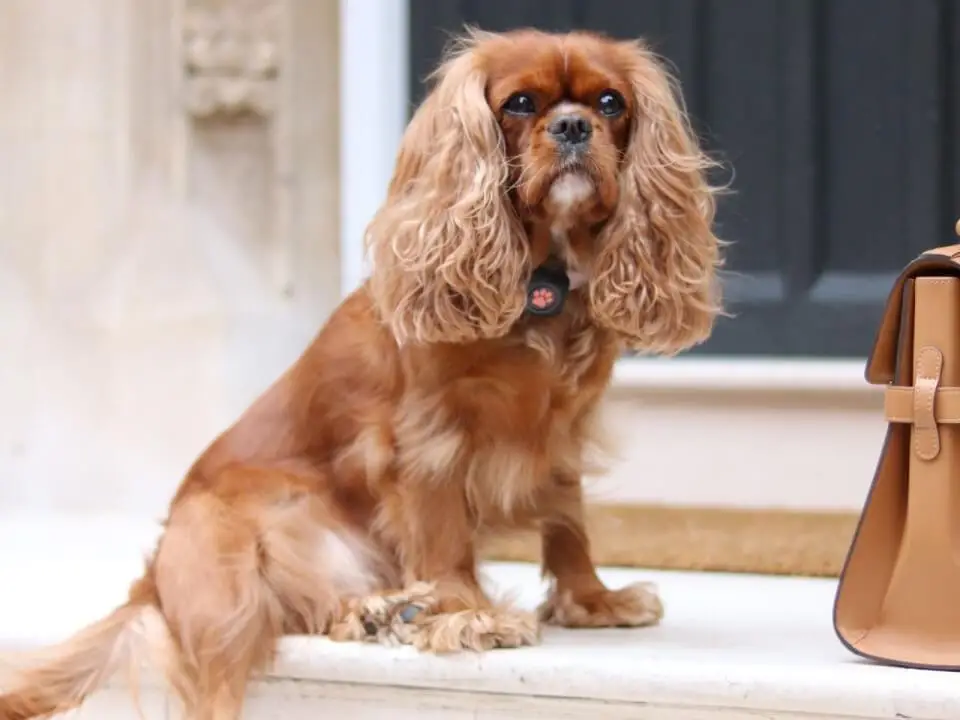
A senior’s lifestyle is a significant factor in the dog selection process. If a senior is active and enjoys daily walks and outings, a Cavalier King Charles Spaniel, with its playful nature and moderate energy levels, might be a good choice. However, if a senior prefers a quieter lifestyle, a more laid-back breed like a Yorkshire Terrier might be a better fit. Matching the dog’s personality and energy levels with the senior’s daily routine ensures a harmonious partnership.
Activity Level Assessment
Understanding a senior’s physical abilities is crucial for choosing a dog breed that can match their activity levels. Some seniors may still be active and capable of daily walks, while others might prefer shorter outings or playtime inside the home. Choosing a breed with a compatible energy level prevents overexertion or boredom, ensuring both the senior and the dog remain comfortable and content.

Balancing Energy Levels and Care Needs
While smaller breeds like Poodles and Miniature Schnauzers require some exercise, their energy demands are manageable compared to larger breeds. This balance allows seniors to enjoy a fulfilling relationship with their furry companions without feeling overwhelmed or limited in their daily activities.
Understanding Exercise Requirements
For seniors, finding a balance between exercise and comfort is key. Choosing a breed with moderate energy levels allows for enjoyable walks or playtime without excessive exertion. Small dogs often thrive on shorter walks, indoor games, and mental stimulation, providing a fulfilling and balanced routine for both the senior and their companion.
Managing Daily Routines with a Pet
Incorporating a pet into an established routine requires careful consideration. Seniors may have specific times for meals, medications, and social activities. Choosing a dog breed that adapts easily to established schedules and enjoys a routine-based lifestyle ensures a smooth transition for both parties.
Personality Traits to Look For
While physical characteristics play a role, a dog’s personality is equally crucial for fostering a loving and harmonious bond with a senior. Choosing a dog with specific personality traits can enhance the companionship experience and create a fulfilling partnership.
Friendly and Social Behaviors
A friendly and social dog is a valuable companion for seniors. They have a natural inclination to interact with people and other animals, offering joy and comfort to those seeking companionship. Their calm disposition and playful nature make them a welcome addition to a senior’s life.

Trainability and Intelligence
An intelligent and trainable dog can learn basic commands, making them easier to manage and reducing potential behavioral issues. Their intelligence also allows them to engage in interactive games and mental activities, keeping them stimulated and engaged.
Health Considerations for Seniors
As with any significant decision, the health implications of bringing a pet into a senior’s home are vital. Knowing the common health issues associated with certain breeds and ensuring regular veterinary care can contribute to a longer and healthier life for both the senior and their dog.
Common Health Issues in Small Breeds
While smaller breeds often have longer life spans than larger dogs, they are also susceptible to certain health issues. Common problems include patellar luxation, hip dysplasia, and hypoglycemia. Choosing a breeder who prioritizes health screening and genetic testing can minimize potential health challenges.
Regular Veterinary Check-Ups
Regular veterinary check-ups are crucial for ensuring a dog’s overall health and well-being. Seniors should consider scheduling check-ups at least once a year and more frequently for senior dogs or those with pre-existing conditions. Early detection can allow for prompt treatment and help prevent serious health problems.
Grooming and Maintenance Requirements
A dog’s grooming needs vary significantly from breed to breed. Understanding the grooming requirements can help seniors decide which breed is suitable for their lifestyle and capabilities.

Coat Care
A dog’s coat can require varying degrees of maintenance, from occasional brushing to regular professional grooming. Seniors who prefer low-maintenance grooming should consider breeds with short coats that require minimal upkeep.
Conclusion
Choosing a good small dog for seniors is a heartwarming endeavor. It’s about finding a loyal companion, a furry friend who can brighten a senior’s day and provide a sense of purpose and companionship. The key lies in thoughtful consideration of the dog’s personality, energy levels, and care requirements, ensuring a seamless match with the senior’s lifestyle and preferences. By choosing wisely and creating a loving and supportive environment, seniors can enjoy the countless benefits of dog ownership, enriching their lives and fostering a bond that brings joy and fulfillment.
