
Investing in a Good Dog Training Program is one of the most important decisions you’ll make as a dog owner. It’s about more than just teaching “sit” and “stay”; it’s about building a language of mutual understanding, respect, and trust that will last a lifetime. A quality program strengthens your bond, prevents behavioral problems, and ensures your canine companion can navigate the human world safely and confidently. This guide will walk you through everything you need to know to find the perfect fit for you and your furry friend.
The journey begins with understanding that training is a collaborative effort, much like the detailed approach found in a good dog puppy training program, which lays the foundation for future learning. It’s an investment in a happier, healthier relationship with your dog.
What Makes a Dog Training Program Great?
Not all training programs are created equal. The best ones are built on a foundation of science, ethics, and a deep understanding of canine behavior. They prioritize the dog’s well-being above all else, creating an environment where learning is a positive and rewarding experience.
The Core Philosophy: Positive Reinforcement
The gold standard in modern dog training is positive reinforcement. This method focuses on rewarding desired behaviors, which makes the dog more likely to repeat them. Instead of using punishment or fear to correct unwanted actions, a good trainer will show you how to redirect your dog and reward them for making the right choice.
“Positive reinforcement isn’t just about giving treats,” explains Dr. Sarah Miller, a renowned veterinary behaviorist. “It’s about creating a system where your dog wants to cooperate because they learn that good things happen when they do. This builds confidence and trust, unlike aversive methods which can create anxiety and fear.”
Look for programs that explicitly state their commitment to force-free, science-based methods. Key indicators include the use of rewards like treats, toys, and praise, and a focus on teaching you, the owner, how to understand your dog’s body language.
Qualified and Certified Instructors
A trainer’s credentials matter. While the industry is unregulated in many places, certifications from reputable organizations indicate a commitment to professional standards and continuing education. Look for trainers certified by groups such as:
- Certification Council for Professional Dog Trainers (CCPDT)
- Karen Pryor Academy (KPA)
- The Academy for Dog Trainers (ADT)
- International Association of Animal Behavior Consultants (IAABC)
A qualified instructor should be able to explain their methodology clearly and patiently, providing the reasoning behind their techniques. They are partners in your dog’s education, not drill sergeants.
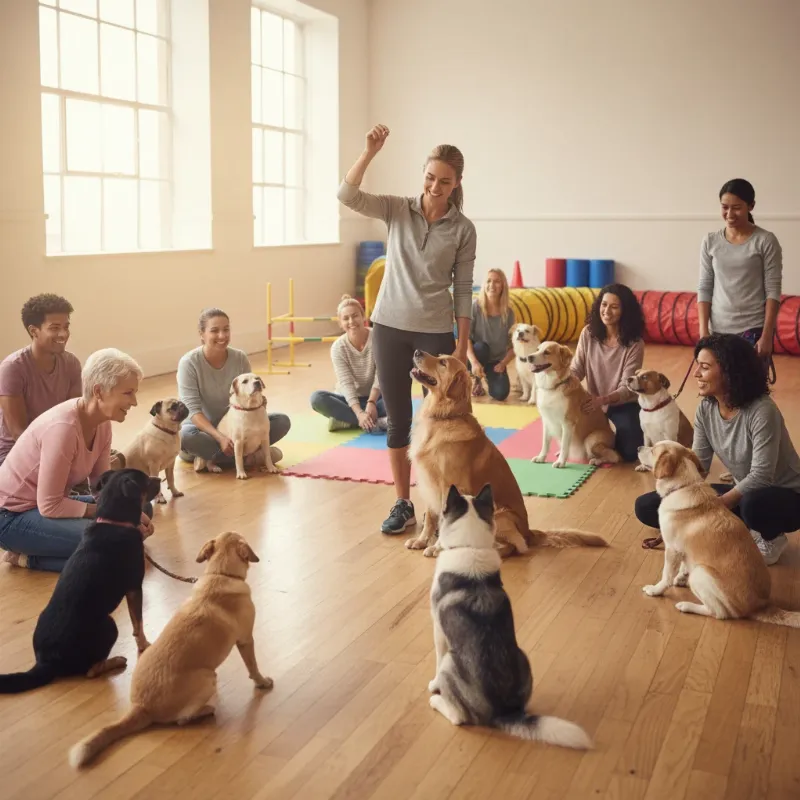 An owner and their golden retriever in a bright, clean training facility participating in a good dog training program
Different Types of Dog Training Programs
The ideal program format depends on your dog’s personality, your specific goals, and your lifestyle. From group settings to one-on-one sessions, each has unique benefits.
Group Classes
Group classes are an excellent option for puppies and adult dogs that need to work on socialization and basic manners in a distracting environment. They are typically more affordable than private training and offer a structured curriculum that covers foundational cues like sit, down, come, and leash walking. The social aspect is invaluable for building a dog’s confidence around other dogs and people. This is often the starting point for many owners, similar to foundational programs like those for dog training in memphis that focus on community and group learning.
Private Training Sessions
If your dog struggles with specific behavioral issues like leash reactivity, separation anxiety, or resource guarding, private training is often the best choice. These one-on-one sessions are tailored to your exact needs. The trainer works with you and your dog in your home or another relevant environment, providing a personalized plan and undivided attention. While more expensive, the focused approach can lead to faster and more effective results for complex problems.
Board-and-Train Programs
Board-and-train, or “doggie boot camp,” involves leaving your dog with a trainer for an extended period, typically two to four weeks. The dog receives intensive, daily training in an immersive environment. This can be effective for busy owners or for dogs requiring significant behavioral modification. However, it’s crucial to vet these programs carefully. The most critical part of a board-and-train is the “transfer” phase, where the trainer teaches you how to maintain and reinforce the new behaviors at home. Without this, the training can quickly unravel. Some specialized services, like those found in k9 dog training miami, offer such immersive experiences.
How to Choose the Right Program for You and Your Dog
Selecting a program requires research and careful consideration. Think of it as conducting an interview for a very important job. Here’s a checklist to guide you.
- Define Your Goals: What do you want to achieve? Are you looking for basic puppy manners, advanced obedience, or help with a serious behavior problem? Having clear objectives will help you find a program that specializes in what you need.
- Research and Read Reviews: Use online resources to find local trainers. Look for detailed reviews from past clients that speak to the trainer’s methods, professionalism, and results. Pay attention to both positive and negative feedback.
- Observe a Class: Ask if you can observe a group class without your dog. This is one of the best ways to evaluate a trainer’s style and methods. Do the dogs and owners look happy and relaxed? Is the trainer patient and encouraging? Does the environment feel safe and controlled?
- Ask Questions: A good trainer will welcome your questions. Inquire about their credentials, experience, and training philosophy. Ask them how they would handle a specific behavior your dog exhibits. Their answers should be clear, confident, and align with positive reinforcement principles.
- Trust Your Instincts: Ultimately, you need to feel comfortable with the trainer and their approach. If something feels off, it probably is. The relationship between you, your dog, and your trainer should be one of partnership and trust.
A successful outcome often depends on finding a methodology that resonates with both you and your pet, much like the philosophy behind dog gone good dog training, which emphasizes the owner-dog relationship.
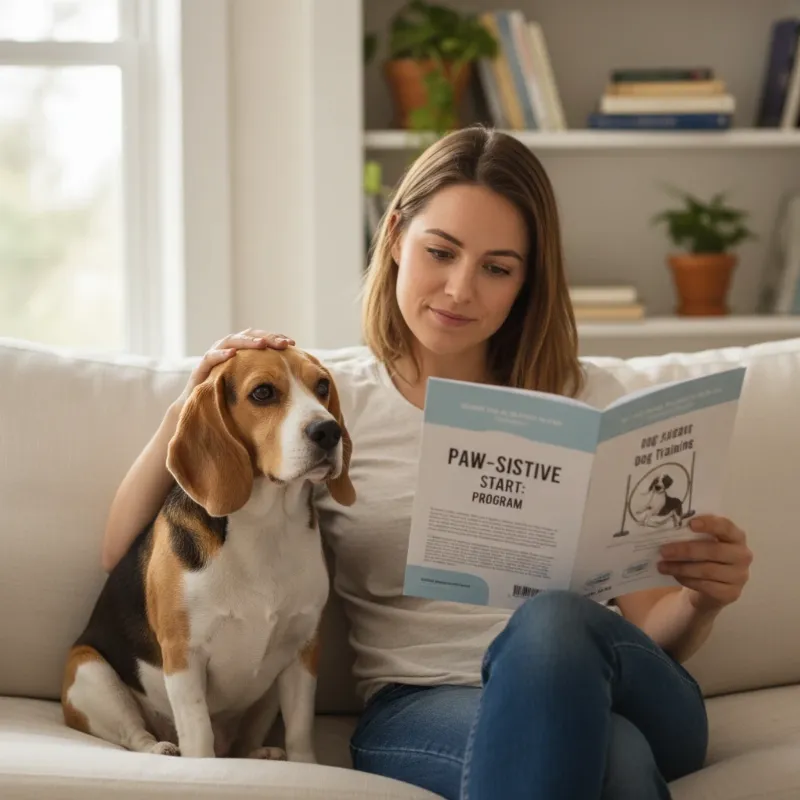 A person carefully reviewing a pamphlet for a good dog training program with their attentive dog sitting beside them
Red Flags to Watch Out For
While there are many excellent trainers, there are also those who use outdated, ineffective, and even harmful methods. Be wary of any program or trainer who:
- Guarantees Results: Behavior is fluid and depends on many factors, including owner consistency. No reputable trainer can guarantee a specific outcome.
- Uses Aversive Tools: Avoid trainers who rely on choke chains, prong collars, or shock collars (e-T collars). These tools work by causing pain and fear, which can damage your relationship with your dog and lead to increased aggression or anxiety.
- Talks About “Dominance” or “Alpha” Theory: This theory of dog behavior has been widely debunked by modern science. A trainer who focuses on being the “alpha” is using an outdated and confrontational approach. Training should be about cooperation, not domination.
- Is Vague About Their Methods: If a trainer can’t or won’t explain what they will be doing with your dog, walk away. Transparency is a hallmark of a true professional. There are many famous trainers who champion transparency, and you can learn more about their approaches through resources like the andrea arden dog training methods.
The Lifelong Benefits of a Good Dog Training Program
The impact of a good dog training program extends far beyond a well-behaved pet. It enriches the lives of both you and your dog in profound ways. Training builds your dog’s confidence, giving them the tools to understand and succeed in our world. It provides essential mental stimulation, which can prevent boredom and destructive behaviors.
Most importantly, it deepens the bond you share. The time spent learning together, celebrating successes, and working through challenges creates a powerful connection built on mutual communication and trust. A well-trained dog is a joy to live with and can accompany you on more of life’s adventures, from patio cafes to family vacations. This initial investment of time and effort pays dividends in a lifetime of happy companionship.
Frequently Asked Questions (FAQ)
What is the best age to start a dog training program?
You can start training a puppy as soon as you bring them home, around 8 weeks old. Puppy socialization classes can typically begin after their first round of vaccinations. For older dogs, it’s never too late to start! Dogs of all ages can learn new behaviors and benefit from training.
How long does a dog training program take?
The duration varies widely. A basic group obedience class might run for 6-8 weeks. However, training is an ongoing process. Behavior modification for more serious issues can take several months of consistent work with a professional.
Should I be involved in the training process?
Absolutely. Your involvement is the most critical factor for success. A good dog training program is designed to teach you how to train and communicate with your dog. Even with board-and-train programs, your active participation in follow-up sessions is essential to maintain the results.
How much does a good dog training program cost?
Costs can range significantly based on your location, the type of program, and the trainer’s experience. Group classes might cost a few hundred dollars for a multi-week course, while private sessions can be $100-$300+ per hour. Board-and-train programs are the most expensive, often costing several thousand dollars.
What’s the difference between training and behavior modification?
Training typically refers to teaching a dog specific cues and skills, like “sit,” “stay,” or walking nicely on a leash. Behavior modification is a more in-depth process that addresses underlying emotional and psychological issues, such as anxiety, fear, or aggression, to change a dog’s problematic behavior patterns.
