
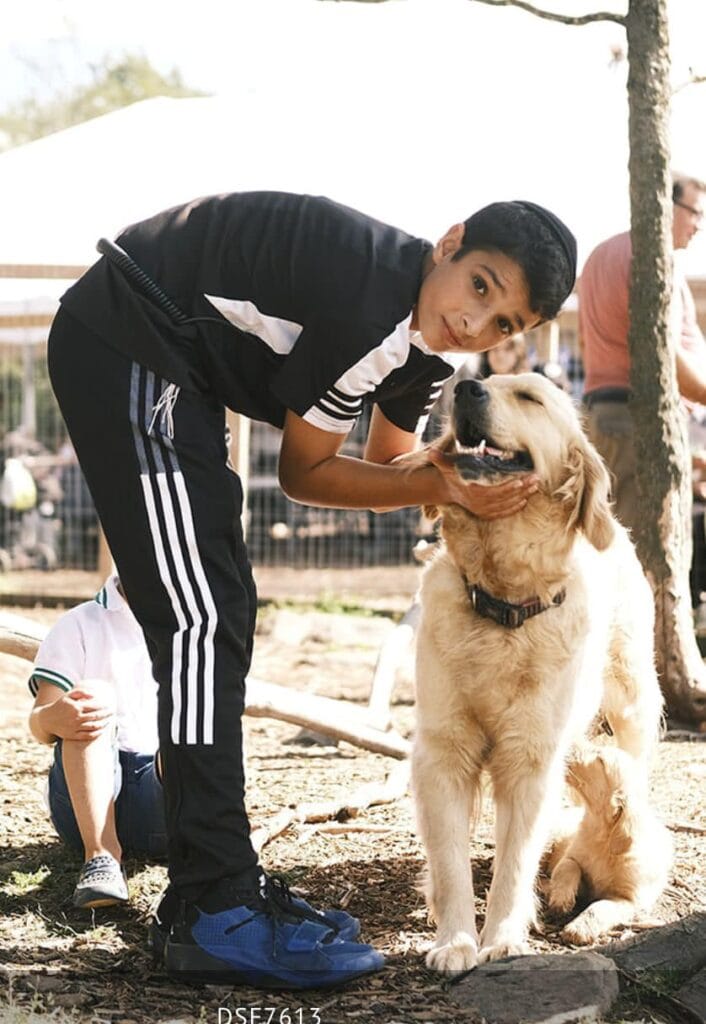
Welcoming a new puppy into your home is an incredibly exciting time, filled with boundless joy and adorable antics. However, it also marks the beginning of a crucial journey: training. A good dog puppy training program isn’t just about teaching your furry friend to sit or stay; it’s about fostering a strong, trusting relationship that will last a lifetime. This comprehensive guide will walk you through the essential elements of effective puppy training, ensuring your new companion grows into a well-behaved, confident, and happy member of your family.
Understanding Puppy Development and Learning
Puppies are like sponges, absorbing information and experiences at an astonishing rate. Their critical socialization period, typically between 3 to 16 weeks of age, is a window of opportunity to shape their behavior and prevent future issues. During this time, positive exposure to various sights, sounds, people, and other well-behaved dogs is paramount.
The Importance of Early Socialization
Proper socialization is the cornerstone of a well-adjusted dog. It involves gradually introducing your puppy to a wide range of positive experiences. This can include:
- People: Different ages, genders, appearances, and ways of moving.
- Environments: Parks, streets, pet-friendly stores, car rides.
- Sounds: Traffic, vacuum cleaners, doorbells, thunderstorms (at a low volume initially).
- Other Animals: Carefully supervised introductions to vaccinated, friendly adult dogs and other pets.
Failing to socialize adequately can lead to fearfulness, anxiety, and aggression later in life. It’s about building confidence, not overwhelming the puppy.
Positive Reinforcement: The Foundation of Training
Modern, effective puppy training relies heavily on positive reinforcement. This means rewarding desired behaviors rather than punishing unwanted ones. Rewards can include:
- High-value treats: Small, tasty morsels that your puppy loves.
- Praise and affection: Enthusiastic verbal encouragement and petting.
- Play: Engaging in a favorite game.
The key is to make training a fun and rewarding experience for your puppy, strengthening your bond and encouraging them to learn. This approach is fundamental to successful operant conditioning dog training.
Essential Components of a Good Puppy Training Program
A well-rounded good dog puppy training program addresses multiple aspects of a puppy’s development.
1. Housetraining: The First Hurdle
Housetraining requires consistency, patience, and a keen eye. Key strategies include:
- Frequent Potty Breaks: Take your puppy out first thing in the morning, after waking from naps, after playing, and after eating.
- Designated Potty Spot: Always take them to the same area outside.
- Positive Reinforcement: Lavishly praise and reward your puppy immediately after they eliminate in the correct spot.
- Supervision: Keep a close eye on your puppy indoors to catch signs of needing to go (circling, sniffing intently).
- Confinement: Use a crate or a puppy-proofed area when you cannot supervise directly. Crate training, when done correctly, can be an invaluable tool for housetraining and preventing destructive behaviors.
Key Takeaway: Accidents will happen. Avoid punishment, as it can create fear and hiding behaviors. Simply clean up thoroughly with an enzymatic cleaner to eliminate odors.
2. Basic Obedience Cues
Teaching basic cues provides structure and enhances communication between you and your dog. Start with fundamental commands:
- Sit: Hold a treat near your puppy’s nose, move it up and back over their head. As their head follows, their rear end should naturally lower. Reward the sit.
- Stay: Once your puppy is in a sit or down position, say “stay” and hold your hand out as a visual cue. Take one step back. If they remain, return and reward. Gradually increase distance and duration.
- Come: This is a crucial safety cue. Use an enthusiastic tone and a treat reward. Practice in a safe, enclosed area first. Never punish your puppy if they eventually come to you; always reward. For more on this, consider resources on best dog obedience training.
- Down: From a sit, lure your puppy’s nose down towards the floor and slightly forward. Reward when they lie down.
- Leave It: Teach your puppy to disengage from something tempting. Hold a treat in your closed fist. Let them sniff and lick, but reward them when they pull away or stop trying.
“Consistency is the secret ingredient in any successful puppy training program. Everyone in the household needs to be on the same page with commands and reward systems.” – Dr. Sarah Miller, Canine Behaviorist
3. Leash Training and Walking Manners
Introducing the leash and collar should be a positive experience. Start with short sessions, allowing your puppy to get used to the sensation. Once comfortable, begin walking indoors, rewarding them for walking beside you without pulling. Progress to outdoor walks, gradually increasing duration and exploring different environments. Proper leash manners prevent pulling, lunging, and reactivity, making walks enjoyable for both of you. This is also relevant to services offered by renowned sellers of family protection dogs comprehensive training services.
4. Bite Inhibition and Nipping
Puppies explore the world with their mouths, and nipping is normal. However, it’s essential to teach them bite inhibition – how to control the pressure of their bite. When your puppy nips too hard during play, let out a yelp (like a littermate would) and momentarily withdraw attention. If the nipping persists, a brief time-out in a safe space can be effective. The goal is not to stop mouthing entirely but to teach them gentleness.
5. Crate Training for Safety and Comfort
A crate can be a den for your puppy, providing a safe space and aiding in housetraining and preventing destructive chewing. Introduce the crate gradually, making it a positive place with comfy bedding and occasional treats or toys. Never use the crate as punishment.
Socialization and Training: A Combined Approach
The best good dog puppy training program integrates socialization with formal training exercises. This could involve attending puppy classes, which offer a controlled environment for socialization and learning basic obedience under expert guidance. Puppy classes in areas like Long Island can provide invaluable opportunities. For instance, dog training long island suffolk offers programs designed for young dogs.
Beyond Basic Cues: Enrichment and Mental Stimulation
A mentally stimulated puppy is a happy and well-behaved puppy. Incorporate activities like:
- Puzzle Toys: Dispense treats or kibble, providing mental challenges.
- Nose Work Games: Hiding treats around the house or yard encourages natural scent-finding behaviors.
- New Experiences: Continue to expose your puppy to novel, positive environments and people.
What to Look For in a Puppy Training Program
When choosing a professional good dog puppy training program, consider the following:
- Positive Reinforcement Methods: Ensure the program uses reward-based techniques. Avoid any program that advocates for harsh punishment, choke chains, or prong collars.
- Experienced and Certified Trainers: Look for trainers with certifications from reputable organizations.
- Small Class Sizes: This allows for more individual attention for each puppy.
- Focus on Socialization: A good program will prioritize safe and positive socialization experiences.
- Owner Involvement: Training is a partnership. The program should teach you how to train and manage your puppy effectively. For example, programs in areas like Burleson, TX, such as dog training in burleson tx, often emphasize owner education.
Common Challenges and Solutions
- Excessive Barking: Identify the trigger (boredom, attention-seeking, alarm). Address the root cause and teach a “quiet” cue.
- Destructive Chewing: Provide appropriate chew toys, ensure enough exercise and mental stimulation, and supervise closely.
- Jumping Up: Ignore the jumping and reward the puppy only when all four paws are on the floor. Ask guests to do the same.
The Lifelong Journey of Training
Training doesn’t stop once your puppy is out of the “puppy” stage. Continued training, practice, and enrichment are vital throughout your dog’s life. Whether it’s advanced obedience, agility, or simply reinforcing good manners, a commitment to training deepens the human-animal bond and ensures a harmonious life together. Investing time and effort into a good dog puppy training program is one of the most rewarding gifts you can give your new best friend.
