
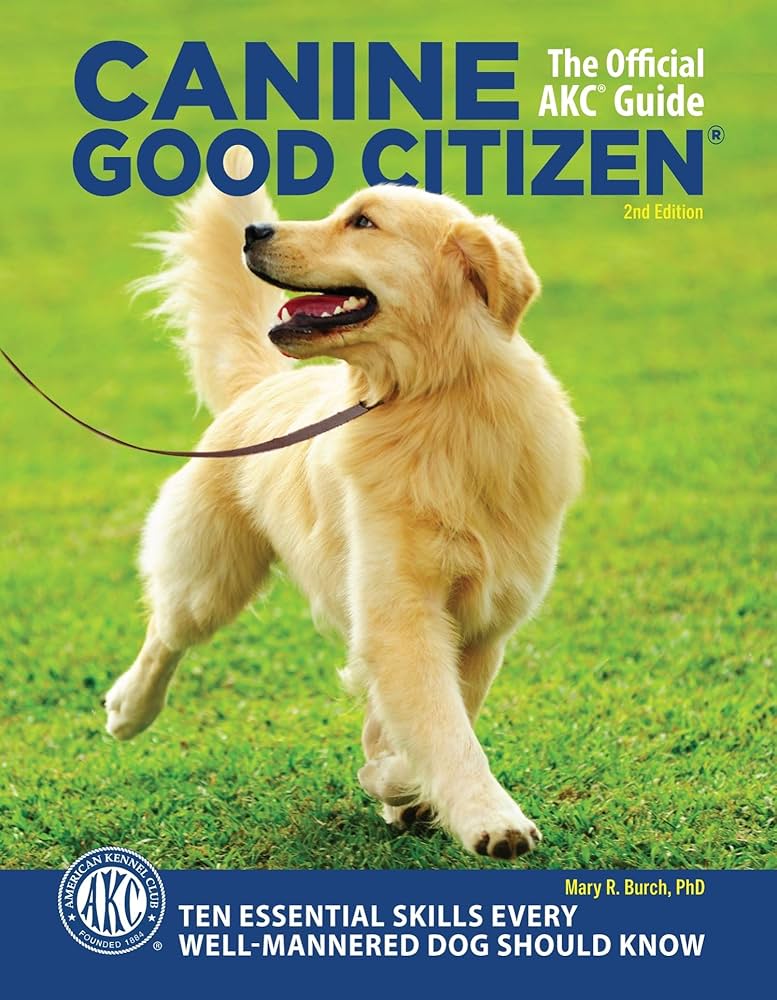
Are you embarking on the exciting journey of dog ownership or looking to deepen the bond with your canine companion? One of the most rewarding aspects of sharing your life with a dog is witnessing their transformation into a well-behaved, confident, and happy member of your family and community. This is precisely where Good Citizen Dog Training comes into play. It’s more than just teaching tricks; it’s about fostering a balanced relationship built on understanding, clear communication, and mutual respect. Whether you’re a seasoned dog lover or a first-time owner, understanding the principles and practices of good citizen dog training can unlock a world of joy and harmony for both you and your furry friend.
The Heart of Good Citizen Dog Training: What It Really Means
At its core, good citizen dog training is about shaping your dog’s behavior to be appropriate and respectful in various social situations. It focuses on developing a dog that is reliable, trustworthy, and a pleasure to be around, both at home and in public. This type of training goes beyond basic obedience commands like “sit” or “stay,” although those are foundational. It encompasses teaching your dog to be calm around distractions, to interact politely with other dogs and people, to walk nicely on a leash without pulling, and to respond reliably to your cues even in challenging environments.
The ultimate goal is to create a dog that can safely and confidently navigate the world alongside you, making you proud and strengthening your partnership. It’s about building a dog that is not only obedient but also socially adept and emotionally sound.
Why “Good Citizen” Training Matters So Much
Imagine being able to take your dog to a bustling park, a sidewalk cafe, or even on vacation without worrying about their behavior. This isn’t a far-fetched dream; it’s the tangible outcome of investing in good citizen dog training.
- Enhanced Safety: A well-trained dog is a safer dog. They are less likely to run into traffic, bolt out of doors, or react aggressively to triggers, minimizing risks for themselves and others.
- Stronger Bond: The training process itself is a powerful bonding experience. Working together towards common goals builds trust, communication, and a deeper connection between you and your dog.
- Social Acceptance: Dogs who exhibit good manners are more welcome in public spaces, allowing you to include them in more aspects of your life. This social acceptance benefits both the dog and the owner.
- Reduced Stress: For both the owner and the dog, good training reduces stress. You can relax knowing your dog will behave appropriately, and your dog feels more secure and confident when they understand expectations.
- Prevention of Behavioral Problems: Proactive training, especially early on, can prevent many common behavioral issues from developing or escalating. Addressing behaviors like excessive barking, jumping, or destructiveness through positive reinforcement is key.
Foundational Pillars of Good Citizen Dog Training
Before diving into specific training techniques, it’s crucial to understand the underlying principles that make good citizen dog training effective and humane.
Positive Reinforcement: The Golden Rule
This is the cornerstone of modern, ethical dog training. Positive reinforcement involves rewarding desired behaviors to increase their likelihood of happening again. Rewards can include:
- Treats: High-value, small, tasty morsels are excellent motivators.
- Praise: Enthusiastic verbal affirmations like “Good boy!” or “Yes!”
- Toys: A favorite squeaky toy or a game of fetch can be a powerful reward.
- Affection: Gentle petting or ear scratches, if your dog enjoys them.
The key is to reward immediately after the desired behavior occurs so your dog clearly associates the action with the positive outcome. This method builds confidence and eagerness in your dog, making training a fun and collaborative activity rather than a chore. It fosters a positive association with you and the learning process.
Consistency is Key
Dogs thrive on predictability. Inconsistent cues, rewards, or rules can confuse your dog and hinder their progress. Ensure everyone in the household is on the same page regarding commands, expectations, and reward systems. For instance, if one person allows the dog to jump on the sofa but another doesn’t, the dog will be perpetually confused. A consistent approach minimizes frustration and accelerates learning.
Understanding Dog Body Language
Part of being a responsible dog owner and effective trainer is learning to “speak dog.” Understanding your dog’s body language – tail wags, ear positions, posture, vocalizations – helps you gauge their emotional state, identify stress signals, and respond appropriately. This awareness is vital for preventing misunderstandings and ensuring your dog feels safe and understood. For example, a dog that is slowly wagging its tail might not be happy, but rather anxious or conflicted.
Socialization: Early and Ongoing
Proper socialization is critical, especially for puppies, but beneficial for dogs of all ages. It involves exposing your dog to a wide variety of sights, sounds, people, places, and other well-behaved animals in a positive and controlled manner. This helps them develop into confident, well-adjusted adults who are not fearful or reactive. Attending a good citizen dog training class often incorporates socialization as a core component.
Essential Skills for a Good Citizen Dog
A “good citizen” dog possesses a repertoire of skills that enable them to behave appropriately in various settings. Here are some of the most important ones:
1. Reliable Recall (The “Come” Command)
This is arguably the most critical safety command. A dog that reliably comes when called can be saved from dangerous situations. Training a strong recall requires patience, consistency, and making yourself the most exciting thing your dog can come to.
- Start in a quiet area: Begin with short distances and no distractions.
- Use a happy, encouraging tone: Your voice should signal something wonderful is about to happen.
- Reward generously: Use high-value treats or a favorite game immediately upon arrival.
- Never punish a returning dog: Even if they took a long time, never scold them when they finally reach you. This teaches them that coming to you is a bad thing.
- Gradually increase distractions: Once reliable in quiet settings, practice in more challenging environments.
2. Loose-Leash Walking
Pulling on the leash is a common frustration for dog owners. Loose-leash walking means your dog walks beside you without tension on the leash.
- Use a comfortable harness or collar: A front-clip harness can help reduce pulling.
- Reward walking by your side: Mark and reward your dog with treats and praise whenever the leash is slack and they are near your leg.
- Stop when they pull: If your dog pulls ahead, simply stop walking. Wait until the leash slackens before resuming. This teaches them that pulling halts forward movement.
- Change direction: If they pull persistently, turn and walk in the opposite direction. They’ll learn to pay attention to your movements.
- Practice in different environments: Master this skill in your home or yard before tackling busy streets.
3. Calm Greetings (People and Dogs)
Teaching your dog to greet visitors, both human and canine, calmly is essential for a harmonious household and positive social interactions.
- Manage the environment: When guests arrive, have your dog on a leash or behind a baby gate initially.
- Reward calm behavior: Ask your dog to sit or lie down and reward them for remaining calm as guests enter.
- Controlled introductions: Allow brief, supervised interactions. If your dog gets overexcited, calmly redirect them or end the interaction.
- For dog greetings: Ensure both dogs are leashed and approaching each other in a relaxed manner. Keep greetings brief and positive, and watch for signs of stress or over-arousal in either dog.
4. Leave It / Drop It
These commands are crucial for safety, preventing your dog from ingesting dangerous items or bothering things they shouldn’t.
- “Leave It”: Teach your dog to ignore an item. Start with a treat in your hand. Let your dog sniff or lick; the moment they pull away, say “Yes!” and give them a different treat from your other hand. Gradually progress to placing the treat on the floor, then use the cue “Leave it” as they approach.
- “Drop It”: This teaches your dog to release something they already have in their mouth. Offer a high-value trade – a much better treat or a favorite toy – while saying “Drop it.” When they release the item, give them the trade.
5. Sit, Down, Stay, and Come (Reinforced)
While basic obedience, these commands form the foundation of good manners and control. Ensuring they are performed reliably, even with distractions, is key to good citizen training. Regular practice, varied rewards, and proofing these behaviors in different environments are essential. For example, practicing a “stay” with increasing durations and distractions, or asking for a “sit” when passing another person on the street.
Training Methods and Considerations
When implementing good citizen dog training, the method you choose matters.
Positive Reinforcement vs. Traditional Methods
Positive reinforcement training focuses on rewarding good behavior, making training enjoyable and building a strong, trusting relationship. Traditional methods, often involving punishment or harsh corrections, can suppress behavior but may also lead to fear, anxiety, and aggression. For building a true “good citizen” – a dog that wants to behave well – positive reinforcement is widely recognized as the most effective and ethical approach.
Seeking Professional Guidance
While many owners can achieve excellent results with self-study, professional guidance can be invaluable.
- Dog Training Classes: Look for classes that focus on positive reinforcement and social skills. A good citizen dog training program is often specifically designed to cover these skills. These classes provide structured environments for practicing commands with distractions and offer expert feedback. Many clubs, like the lincolnwood dog training club, offer such programs.
- Private Trainers: For dogs with specific behavioral issues or owners who prefer one-on-one attention, a certified professional dog trainer can offer tailored advice and strategies. Finding a trainer experienced in good citizen programs or in specific areas like training a seeing eye dog can be beneficial depending on your goals.
Putting It All Together: Your Journey to a Good Citizen Dog
Embarking on good citizen dog training is a journey, not a destination. It requires commitment, patience, and a willingness to learn and adapt. Celebrate the small victories, stay consistent, and remember that every training session is an opportunity to strengthen your bond and build a better partnership with your dog.
The rewards are immense: a well-behaved companion, a deeper connection, and the confidence to enjoy life’s adventures together. Whether you are in a town like Towson, MD, seeking local expertise like dog training towson md, or in Waynesboro, VA, looking for dog training waynesboro va, resources are available to help you succeed. By focusing on positive reinforcement, clear communication, and consistent practice, you can help your dog become the best canine citizen they can be.
