
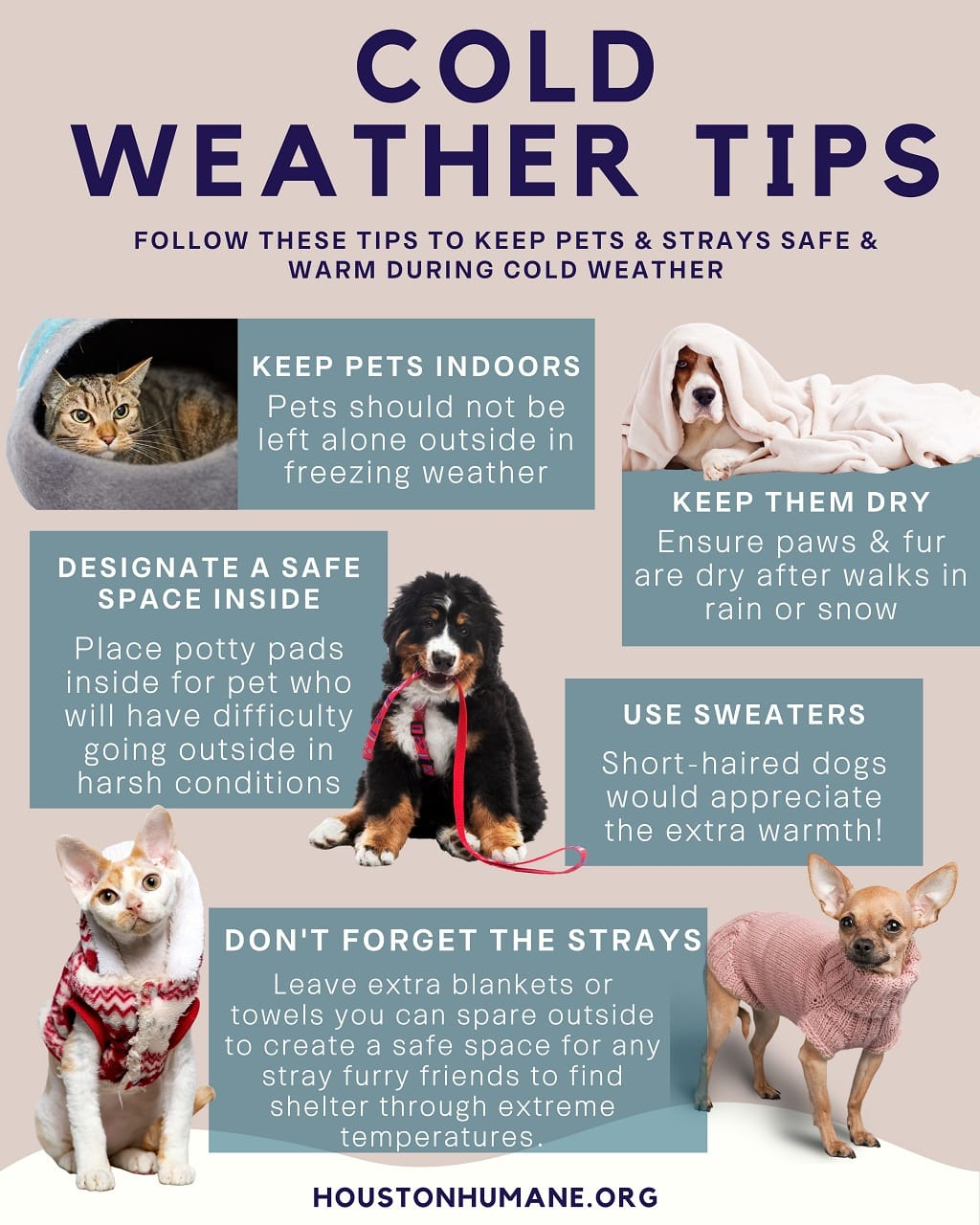
Winter can present unique challenges for dog owners, especially when it comes to potty training. Many dogs are reluctant to relieve themselves in cold temperatures or snow, leading to accidents indoors or stressful outdoor experiences. Fortunately, with the right approach, you can help your canine companion adjust to winter potty breaks. This guide provides practical tips and tricks to make the colder months easier for both you and your dog, ensuring they stay comfortable and maintain good habits.
Addressing Winter Potty Reluctance
It’s a common struggle for pet owners: their dog simply refuses to go potty when faced with snow or frigid temperatures. This hesitation often stems from the discomfort of the cold on their paws and bodies. Fortunately, several strategies can encourage your dog to brave the elements for their bathroom needs. By understanding their potential discomfort and providing solutions, you can ease this transition.
Invest in Dog Booties
Just like humans, dogs can be sensitive to cold, icy ground. Protecting your dog’s paws with a good pair of dog booties can significantly improve their willingness to go outside. Booties shield their sensitive pads from freezing temperatures and ice, making the experience much more comfortable and encouraging them to venture out for potty breaks.
Clear a Potty Path
Imagine being asked to go outside into deep snow without a clear path. Your dog experiences a similar reluctance. Before taking your dog out, make sure to shovel a clear walkway in your yard. Providing a designated, accessible area free from deep snow will make it easier for them to move around and do their business without discomfort.
Establish a Consistent Routine
Training your dog to follow a regular schedule is beneficial for their overall well-being. Taking your dog out for potty breaks at the same times each day helps establish a predictable routine. This consistency allows them to adjust to the winter weather and learn to anticipate their bathroom breaks, even in colder conditions.
Choose Warmer Times of Day
To maximize comfort for both you and your dog, schedule potty breaks and walks during the warmest parts of the day. Late morning or early afternoon typically offers more moderate temperatures compared to early mornings or late evenings, making outdoor excursions more pleasant.
Designate an Indoor Potty Area
On particularly harsh days when the weather is unbearable for both you and your dog, having an indoor potty option is a lifesaver. Utilize pee pads or establish another designated indoor space for emergencies. This provides a necessary alternative when venturing outside is simply not feasible.
Utilize Positive Reinforcement
Positive reinforcement is a powerful tool in encouraging desired behaviors. When your dog successfully goes potty outside in the cold weather, offer praise, treats, or a short play session. This positive association can motivate your dog to overcome their reluctance and brave the cold for their bathroom needs.
Dress Your Dog Appropriately
For dogs particularly sensitive to the cold, consider investing in a warm sweater or jacket. Appropriate dog clothing can significantly increase their comfort level during outdoor potty breaks, making them more inclined to venture outside and reducing their sensitivity to the cold.
Be Patient and Consult a Vet
Every dog adjusts differently to cold weather, and it may take time and experimentation to find the best approach. Patience is crucial, especially if your dog is experiencing their first winter. If you have ongoing concerns about your dog’s health or behavior in colder temperatures, consulting with your veterinarian is always recommended.
Keeping Your Dog Active This Winter
Winter weather can limit outdoor playtime, but exercise remains vital for your dog’s health and happiness. Dogs who dislike the cold may miss out on essential physical activity. Signs of insufficient activity include weight gain, destructive behavior, excessive barking, stiffness, hyperactivity, nipping, restlessness, chewing, and whimpering.
Consider enrolling your dog in a doggy day care program, like those offered at Pet Palace. These programs provide supervised playtime, socialization with other dogs, exercise, and personalized attention, helping your dog stay active and engaged during the colder months. We also offer dog boarding and grooming services at all our locations.
Additional Resources
For further insights into dog training and behavior, explore these helpful articles:
- Common Dog Behavior Problems and How Dog Training Can Solve Them
- The Five Benefits of Obedience Training
- 12 Rainy Day Activities to Do With Your Pet
