
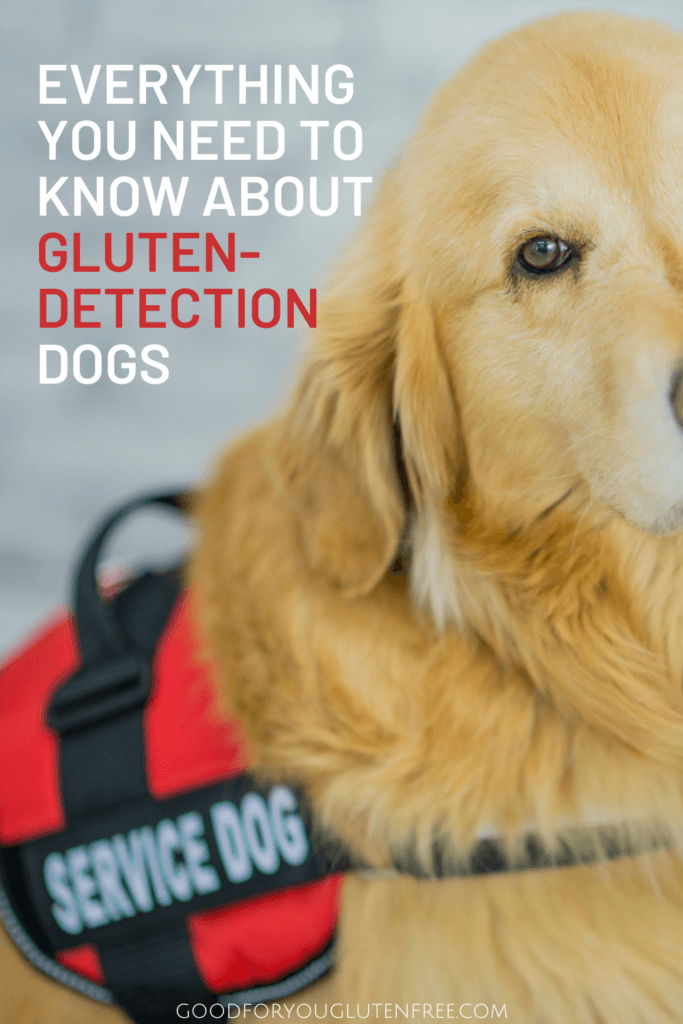
Training a dog to detect gluten is a specialized field, offering significant support to individuals with celiac disease or gluten sensitivity. These highly trained canine companions can provide an invaluable layer of safety and independence, meticulously sniffing out gluten in food and environments. This guide delves into the intricacies of Gluten Detection Dog Training, exploring its importance, the training process, and what potential owners should expect.
The Significance of Gluten Detection Dogs
For individuals managing celiac disease or severe gluten intolerance, accidental exposure to gluten can lead to serious health consequences, ranging from uncomfortable digestive issues to long-term damage. Standard label reading can be time-consuming and is not always foolproof, especially when dining out or in social settings. Gluten detection dogs are trained to identify the scent of gluten, offering a discreet and reliable way to ensure the safety of food and surroundings.
Understanding Gluten Sensitivity and Celiac Disease
Celiac disease is an autoimmune disorder where ingesting gluten leads to damage in the small intestine. Gluten sensitivity, while not causing the same autoimmune response, can still result in significant discomfort and adverse health effects. Both conditions necessitate a strict, lifelong gluten-free diet.
How Gluten Detection Dogs Work
Dogs possess an extraordinary sense of smell, far superior to humans. This innate ability is honed through specific training to recognize the unique scent profile of gluten. When trained for gluten detection, dogs are taught to alert their handler to the presence of gluten, typically through a non-intrusive signal like a sit or a paw tap.
The Training Process for Gluten Detection Dogs
Training a gluten detection dog is a rigorous and specialized process that requires experienced trainers and dedicated handlers. It’s not a task for the average pet owner.
Sourcing and Selecting Potential Candidates
Not all dogs are suited for this intensive training. Ideal candidates are typically motivated, intelligent, and possess a strong scent drive. Breeds often considered include Labrador Retrievers, German Shepherds, and Golden Retrievers, but individual temperament and drive are more critical than breed alone. Early socialization and basic obedience are foundational before specialized scent training begins.
Scent Introduction and Association
The training begins with introducing the dog to the scent of gluten in a controlled manner. This involves using various forms of gluten (e.g., wheat, barley, rye) in safe, controlled settings. The dog is rewarded handsomely – with high-value treats, praise, and play – every time it shows interest in the scent. This positive reinforcement builds a strong, positive association with the target odor.
Discrimination Training
A crucial phase is discrimination training. The dog learns to differentiate the scent of gluten from other food items and environmental odors. This prevents false alerts and ensures the dog is reliably identifying only gluten. Trainers use a variety of distractors, gradually increasing the complexity of the tasks.
Alerting and Generalization
Once the dog reliably identifies gluten, it’s trained to provide a specific, clear alert to its handler. This alert must be consistent and unambiguous. The training then progresses to real-world scenarios, generalizing the skill to different environments, food preparations, and public places, such as restaurants and grocery stores. This generalization phase is vital for the dog to be effective in daily life.
Handler Training
Effective gluten detection relies on a strong partnership between the dog and its handler. Handlers must learn to read their dog’s subtle cues, understand the training methodology, and maintain the dog’s skills through ongoing practice. Programs typically include comprehensive handler training to ensure the team functions seamlessly.
What to Expect from a Gluten Detection Dog
A trained gluten detection dog can significantly enhance the quality of life for someone with gluten-related disorders. However, it’s important to have realistic expectations.
The Dog’s Role
The dog is a tool to aid in management, not a replacement for vigilance. While highly effective, detection dogs can sometimes miss scents due to environmental factors, the dog’s health, or the complexity of the scent. Handlers must always remain observant and responsible for their own dietary safety.
Ongoing Training and Maintenance
Like any highly skilled working dog, a gluten detection dog requires continuous training and reinforcement to maintain its proficiency. Handlers are responsible for regular practice sessions and for keeping the dog’s scent detection skills sharp.
Cost and Acquisition
Training a gluten detection dog is a significant investment. Professional training programs can be costly due to the specialized nature of the work, the expertise of the trainers, and the time involved. Organizations that train and place these dogs often have waiting lists and rigorous application processes to ensure the dogs go to suitable homes.
Alternatives and Complementary Strategies
While gluten detection dogs offer remarkable assistance, they are part of a broader strategy for managing a gluten-free lifestyle.
Importance of Certified Gluten-Free Products
Understanding and utilizing certified gluten-free labels is still essential. These certifications provide a baseline assurance that products meet strict standards for gluten content.
Cross-Contamination Awareness
Even with a detection dog, vigilance regarding cross-contamination in kitchens and food preparation areas remains paramount. Education on safe food handling practices is crucial for handlers and household members.
Allergen Detection Service Dog Training
For those with multiple severe allergies, allergen detection service dog training can be broader, encompassing not only gluten but other allergens as well. This requires even more advanced and specialized training protocols. allergen detection service dog training programs focus on identifying a wider range of target scents.
Conclusion
Gluten detection dogs represent a remarkable advancement in supporting individuals with celiac disease and gluten sensitivities. Through intensive and specialized training, these canine partners become invaluable allies in navigating a gluten-free world with greater confidence and safety. While the commitment is significant, the independence and peace of mind a well-trained gluten detection dog provides can be life-changing. The journey of training and partnering with such a dog is a testament to the unique bond between humans and canines, showcasing the incredible capabilities of dogs when trained for a vital purpose.
