
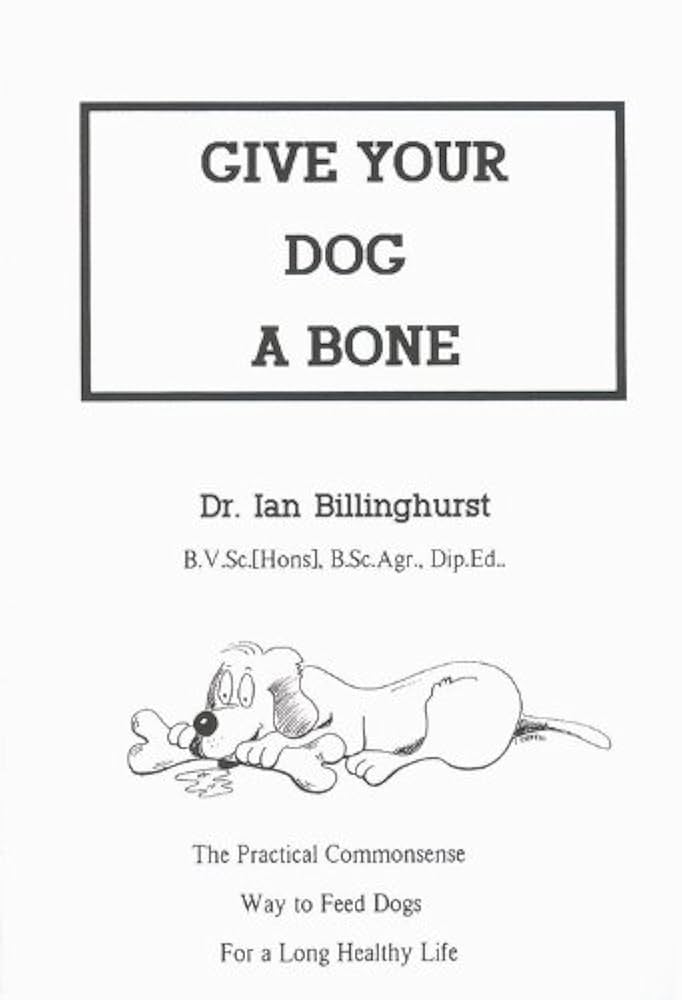
Embarking on the journey of dog ownership is incredibly rewarding, but it also comes with a significant responsibility to provide the best care for our canine companions. Among the vast resources available to dog parents, the book “Give Your Dog a Bone” has emerged as a pivotal guide for many seeking to deepen their understanding of canine nutrition and health. This book offers a unique perspective, emphasizing a species-appropriate raw food diet (often referred to as BARF) as the cornerstone of a healthy life for dogs. If you’re curious about how to truly nourish your dog from the inside out, understanding the principles within this book is a fantastic starting point. It delves into the science behind canine digestion, the importance of natural diets, and the potential pitfalls of conventional dog food.
The Genesis of “Give Your Dog a Bone”
Dr. Ian Billinghurst, an Australian veterinarian, authored “Give Your Dog a Bone.” His extensive experience in traditional veterinary practice led him to question the prevailing dietary recommendations for dogs, which often consisted of highly processed commercial kibble. Dr. Billinghurst observed that many common health issues in dogs, such as skin allergies, ear infections, digestive problems, and even certain behavioral issues, seemed to be linked to their diet. This realization sparked his research into the ancestral diets of dogs, leading him to the conclusion that a raw, whole-food diet more closely mimics what dogs would have eaten in the wild. “Give Your Dog a Bone” is the culmination of his research and advocacy for this dietary approach, aiming to educate pet owners and revolutionize the way we think about dog nutrition.
Dr. Billinghurst’s Core Philosophy
At its heart, the philosophy behind “Give Your Dog a Bone” is simple: feed your dog a diet that nature intended. This means focusing on raw meats, bones, organs, and a limited amount of raw vegetables and fruits. Dr. Billinghurst argues that this type of diet provides essential nutrients in their most bioavailable form, supporting optimal health, strong immune systems, and vibrant energy levels. He contrasts this with processed foods, which he believes can be inflammatory and detrimental to a dog’s long-term well-being. The book doesn’t just advocate for raw feeding; it provides practical advice on how to implement it safely and effectively.
Key Concepts Explored in “Give Your Dog a Bone”
The book is rich with information, covering a wide array of topics essential for understanding canine nutrition. Here are some of the central themes and concepts you’ll encounter:
The Raw Food Diet (BARF)
The most prominent concept is the Biologically Appropriate Raw Food (BARF) diet. Dr. Billinghurst meticulously details the components of a balanced raw meal for dogs. This includes:
- Raw Meaty Bones: These are crucial for providing calcium and phosphorus, essential minerals for bone health, and also serve as a natural way for dogs to clean their teeth. The book emphasizes the importance of feeding appropriate-sized bones to prevent choking hazards.
- Muscle Meats: Various types of raw meats (beef, lamb, chicken, turkey, etc.) form the bulk of the diet, providing protein, essential fatty acids, and other vital nutrients.
- Organ Meats: Liver, kidney, and heart are nutritional powerhouses, rich in vitamins and minerals. Dr. Billinghurst stresses the importance of including these in regular meals.
- Raw Vegetables and Fruits: A small, carefully selected amount of raw or lightly steamed vegetables and fruits can provide fiber, vitamins, and antioxidants. The book offers guidance on which types are safe and beneficial for dogs.
The Dangers of Processed Dog Food
A significant portion of “Give Your Dog a Bone” is dedicated to critiquing commercial dog foods. Dr. Billinghurst discusses the high-temperature processing of kibble, arguing that it destroys vital enzymes and nutrients, and can lead to the formation of harmful compounds. He also raises concerns about the common ingredients found in many commercial foods, such as artificial colors, flavors, preservatives, and fillers, which he believes can contribute to allergies and other health problems in dogs.
Nutritional Needs of Dogs
The book delves deep into the specific nutritional requirements of dogs, explaining why their needs differ from omnivores like humans. It highlights the importance of a balanced intake of proteins, fats, carbohydrates, vitamins, and minerals, all of which are best obtained from whole, unprocessed foods. Dr. Billinghurst provides charts and guidelines to help owners formulate balanced raw meals.
Health Benefits of a Raw Diet
“Give Your Dog a Bone” presents compelling arguments for the health benefits associated with feeding a raw diet. These are often cited as:
- Improved digestion and reduced stool volume.
- Healthier skin and coats, with less shedding and fewer allergies.
- Stronger immune systems, leading to fewer infections and illnesses.
- Cleaner teeth and healthier gums, reducing the need for dental interventions.
- Increased energy levels and vitality.
- Better weight management.
Practical Implementation and Considerations
While “Give Your Dog a Bone” provides a strong theoretical foundation, it also offers practical advice for owners looking to transition their dogs to a raw diet.
Transitioning Your Dog
The book suggests a gradual transition to a raw diet, often involving starting with easily digestible raw meats and slowly introducing other components. It advises owners to monitor their dogs closely during the transition period for any signs of digestive upset.
Safety and Hygiene
Dr. Billinghurst addresses potential concerns about bacterial contamination. He emphasizes the importance of good hygiene practices in the kitchen, handling raw meats safely, and ensuring proper storage to minimize risks for both the dog and the humans in the household.
Understanding Different Life Stages
The dietary needs of a dog can vary significantly depending on their age, breed, activity level, and health status. “Give Your Dog a Bone” touches upon these variations, suggesting how to adjust the raw diet for puppies, adult dogs, senior dogs, and pregnant or nursing females.
Critiques and Controversies
It’s important to acknowledge that the raw feeding movement, championed by “Give Your Dog a Bone,” is not without its critics and controversies. Some veterinarians express concerns about the potential for nutritional imbalances if raw diets are not meticulously formulated, and the risk of bacterial contamination (such as Salmonella and E. coli) that can affect both dogs and humans. However, proponents, including Dr. Billinghurst, argue that these risks can be mitigated with proper hygiene and by feeding a varied, high-quality raw diet. They often point to the success stories and improved health outcomes observed in dogs fed according to the principles in the book.
Beyond the Book: Related Resources
For those inspired by “Give Your Dog a Bone,” there are numerous other resources available. Many dog owners find success by exploring further into topics like gun dog training books to understand canine behavior, or researching books about breeding dogs if they are involved in responsible breeding practices. The world of canine literature is vast, and resources that discuss topics from the guinness book world records largest dog to seasonal reading like christmas books about dogs can enrich a dog owner’s understanding and enjoyment. Some may even explore thematic books like the year of the dog book for cultural insights.
Conclusion: A New Perspective on Canine Nutrition
“Give Your Dog a Bone” offers a paradigm shift for dog owners willing to question conventional wisdom and explore a more natural approach to canine health. By advocating for a species-appropriate raw food diet, Dr. Ian Billinghurst provides a comprehensive guide that empowers owners to take an active role in their dog’s well-being. While the journey into raw feeding requires commitment, research, and careful implementation, the potential rewards—a healthier, happier, and more vibrant canine companion—can be immense. This book serves as an invaluable resource for anyone looking to truly understand and meet their dog’s fundamental nutritional needs.
