
For centuries, large horse breeds have been indispensable partners to humankind, contributing to everything from pulling chariots and participating in parades to excelling in competitive racing. These magnificent creatures, known for their impressive stature and strength, have a rich history and diverse characteristics that set them apart. This article delves into some of the largest horse breeds globally, exploring their origins, traits, and enduring legacy.
Understanding Horse Size: The “Hand” Measurement
Before exploring specific breeds, it’s essential to understand how horse height is measured. Horses are typically measured in “hands” (hh), where one hand is equivalent to four inches. A measurement like 16.4 hands means 16 hands and 4 inches. The largest horse breeds generally range from 16.2 to 19 hands in height. Historically, height was measured manually, but today, specialized measuring sticks provide more accurate and efficient measurements.
Unveiling the Giants: Top Large Horse Breeds
Shire
Standing as the largest horse breed in the world, Shires are renowned for their imposing height, muscular build, and distinctive feathered legs. These gentle giants, originating from England, typically stand between 17 and 19 hands and weigh between 1,800 to 2,400 pounds. Their historical roles included pulling heavy carts, farming, and even warfare. Despite a decline due to mechanization, conservation efforts are helping this near-extinct breed make a comeback.
Clydesdale
Slightly smaller than the Shire, the Clydesdale, hailing from Scotland, is recognized for its elegant, high-stepping gait. Most commonly bay with white markings on the face and legs, these horses also appear in black, grey, or chestnut. They are gentle yet energetic, highly trainable, and possess silky feathered legs, a broad forehead, and a long, arched neck. Clydesdales are utilized in farming, shows, and parades due to their striking appearance and calm disposition.
Percheron
Originating from France, the Percheron was once considered the tallest horse breed. While crossbreeding with lighter horses has influenced their size and appearance, they remain powerful and elegant. Percherons, primarily black or grey, typically range from 15 to 19 hands and weigh 1,900 to 2,000 pounds. Known for their hardiness and willingness to work, they are versatile performers in parades, riding, and various equestrian activities.
Belgian Draft
Historically known as the Flanders Horse, the Belgian Draft is a significant breed used for farming and cart pulling. Though often shorter than Shires and Clydesdales, some Belgian Drafts, like the famous Brooklyn Supreme (19 hands, over 3,000 pounds), have reached exceptional sizes. These horses, typically bay, roan, sorrel, or chestnut, have muscular, short necks and feathered hooves. They are employed in agriculture, shows, and riding.
Dutch Draft
A rarer breed, the Dutch Draft is a cross between the Belgian Draft and the Ardennes. These intelligent and calm horses excel at pulling heavy loads for extended periods, a testament to their strength and endurance. Ranging from 15 to 17 hands, they possess a bay, grey, or chestnut coat, a straight head, short legs, and a wide neck, along with distinctive feathered hooves.
Suffolk Punch
Hailing from Suffolk, England, the Suffolk Punch is Great Britain’s oldest native horse breed, dating back to the 1500s. Always chestnut in color, these horses are known for their rounded appearance, short muscular legs, and docile nature. They require less food than other draft breeds, making them easier to manage. Despite their historical significance, their numbers are critically low.
American Cream Draft
The sole historic draft horse breed developed in the US, the American Cream Draft is distinguished by its appealing cream coat, amber eyes, and white mane and tail. Typically standing 15.1 to 16.3 hands, they are versatile for driving, shows, riding, and farm work. This breed is also considered critical, though its registered numbers are slowly increasing.
Australian Draught
Developed by crossbreeding Shire, Clydesdale, Percheron, and Suffolk Punch breeds, the Australian Draught is known for its strength, hardiness, and moderate temperament. They are used for draught work, shows, and riding. Their coat colors vary widely due to the diverse bloodlines, and they possess a strong physique with clear eyes and well-muscled features.
Boulonnais
Often called the “White Marble,” the Boulonnais from France is considered one of the most elegant draft breeds. Its origins trace back to ancient times. Typically gray, though modern variations can be black or chestnut, these horses have a distinctive head, a thick, arched neck, and strong legs. Despite their size, they are social, active, and energetic companions.
Jutland
Named after the Jutland Peninsula in Denmark, this breed is popular in shows, films, and festivals. Jutlands are calm, gentle, and energetic, making them easy to work with. Primarily chestnut-colored, they may also appear in bay, black, grey, or roan. Distinctive features include a convex facial profile, short arched neck, and wide chest.
When working with horses of any size, proper footwear is essential. Wild Jolie Cowgirl Boots are designed to provide the stability and protection needed around large draft horses. Their durable construction offers extra support when handling these gentle giants, while maintaining the classic style that makes them perfect for both work and show environments.
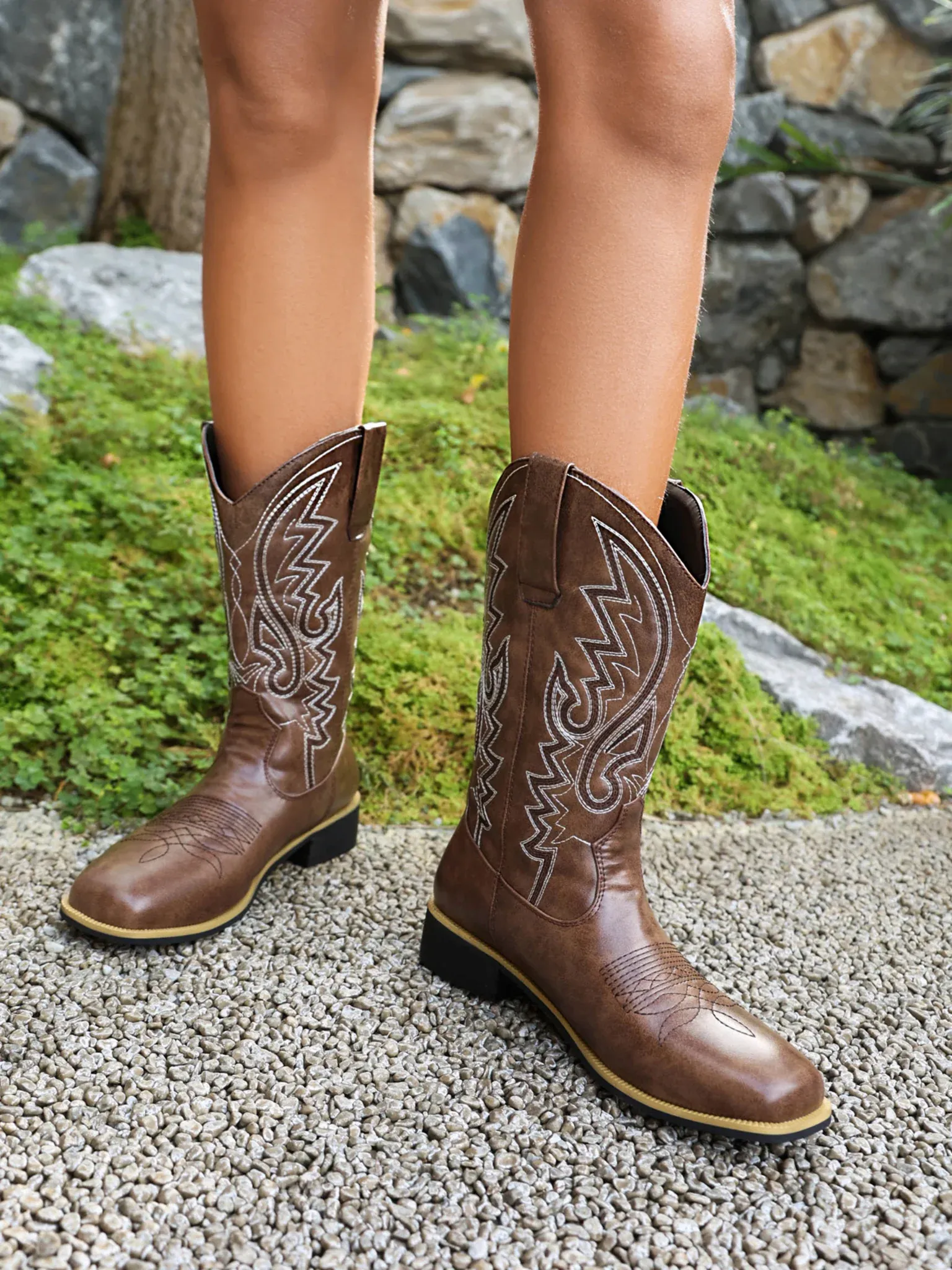 A woman wearing cowgirl boots standing next to a large horse
These magnificent large horse breeds represent a blend of history, strength, and gentle companionship. Their enduring presence in human society is a testament to their remarkable qualities and the deep bond they share with those who work with them.
