
Welcoming a feline companion into your life is a joy, and for some, that joy comes in a larger package. While the average house cat typically weighs between 8 to 12 pounds, certain domestic breeds can reach a remarkable 25 pounds or more, more than doubling the typical feline size. These supersized cats, while offering more to love, require specific care considerations, from extra-sturdy cat trees to carefully measured food portions, as maintaining a healthy weight is crucial for their well-being. If you’re considering a larger cat, understanding the unique needs of these impressive breeds is the first step to providing them with a happy and healthy life.
Understanding Big Cat Breeds
Big domestic cat breeds share some commonalities due to their size. They generally require more robust and spacious supplies, including larger litter boxes, durable scratching posts, and substantial cat trees that can support their weight and climbing habits. Preventing obesity is a paramount concern, as excess weight can exacerbate or lead to various health issues, including joint problems like hip dysplasia and arthritis. Therefore, a balanced diet and consistent exercise are non-negotiable for these gentle giants.
Here are 10 of the most impressive large domestic cat breeds to explore:
1. Maine Coon
Weight: 8–18 pounds
Often referred to as the “gentle giant” of the cat world, the Maine Coon is renowned for its impressive size and exceptionally friendly, laid-back personality, making them excellent family pets. Their sheer size necessitates spacious litter boxes and heavy-duty scratching posts to accommodate their needs. Owners should be aware of potential genetic predispositions such as hip dysplasia, making regular veterinary check-ups essential for monitoring their joint health. Consulting with your veterinarian about proactive joint care, potentially including supplements, can significantly benefit your Maine Coon.
2. Norwegian Forest Cat
Weight: 12–16 pounds
The Norwegian Forest Cat, affectionately known as the Wegie, lives up to its imposing appearance with a large, muscular build. These natural climbers thrive with supportive cat trees and elevated perches that cater to their active nature. While generally healthy, their considerable size makes them prone to hip dysplasia and arthritis. Therefore, maintaining a healthy weight is crucial for the longevity and comfort of this large, fluffy cat breed.
3. Siberian
Weight: 12–15 pounds
As Russia’s national cat, the Siberian boasts a luxurious triple coat and captivating eyes. These cats are notable for their slow maturation, often taking up to five years to reach their full impressive size. Although they may prefer leisurely cuddles over energetic play, this tendency puts them at risk of obesity. Encouraging daily playtime, perhaps even leash training these adaptable kitties, and consistently monitoring their weight are vital strategies for maintaining their health.
4. Bengal
Weight: 8–15 pounds
With the exotic looks and athletic grace of a leopard, the Bengal is a breed that combines stunning aesthetics with high energy. While they enjoy napping, as all cats do, their active nature demands ample vertical space for jumping and exploring. To satisfy their natural hunting instincts and keep them mentally stimulated, puzzle feeders and treat-dispensing toys are highly recommended, offering an engaging way for them to “hunt” for their food.
5. Savannah
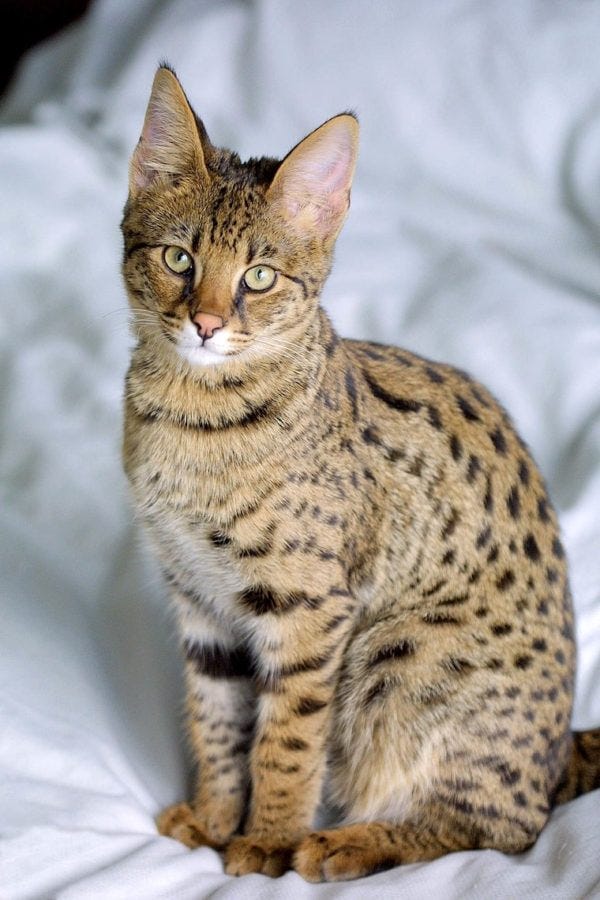
Weight: 12–25 pounds
A striking hybrid of an African Serval and a domestic cat, the Savannah possesses an adventurous spirit that seems perfectly at home in both the wild and your living room. These energetic cats are known for their impressive jumping ability, capable of reaching heights of up to 8 feet. This necessitates durable cat trees and securely mounted shelves, providing safe and engaging options for their aerial activities.
6. Ragdoll
Weight: 10–20 pounds
The Ragdoll lives up to its name with a wonderfully placid and affectionate temperament, making them cherished companions. They reach their full size and weight around age 4, and their naturally relaxed demeanor can contribute to weight gain. Portion control and consistent, engaging playtime are key to preventing obesity and the associated risk of arthritis. Enticing these easygoing felines into activity can be achieved through games of fetch and positive reinforcement training methods like clicker training.
7. RagaMuffin
Weight: 10–20 pounds
Similar to the Ragdoll, the RagaMuffin is a large-boned breed that continues to grow until about four years of age. Their substantial size requires correspondingly larger cat supplies, including jumbo cat trees, spacious litter boxes, and appropriately sized carriers. As they age, RagaMuffins can be prone to arthritis, making a focus on joint health through proper nutrition and regular exercise especially important.
8. American Bobtail
Weight: 7–16 pounds
Distinguished by their characteristic short or “bobbed” tail, the American Bobtail is an affectionate and remarkably active cat. Their intelligence shines through in their ability to excel with puzzle feeders and even learn to walk on a leash. A specific genetic mutation responsible for their shortened tail can also predispose them to spinal and hip issues. Feeding an AAFCO-compliant diet is essential to help these kitties maintain an optimal weight, supporting their overall health.
9. British Shorthair
Weight: 7–17 pounds
The British Shorthair is known for its calm and easygoing nature, often preferring lounging to vigorous activity. To counteract their inclination towards a sedentary lifestyle, encouraging regular exercise is vital. Interactive toys, such as feather wands, and the enticement of catnip can help keep them moving. Diligent portion control, coupled with minimal treats, is crucial to prevent weight gain that could place undue strain on their joints.
10. Turkish Van
Weight: 10–20 pounds
The Turkish Van is not only one of the largest domestic cat breeds but also uniquely known for its surprising affinity for water. Whether they’re splashing in pet water fountains or investigating the bathtub, these active cats require ample enrichment to channel their energy. Providing tall cat trees, accessible shelves, and sturdy scratching posts supports their need for climbing and exploration. Regular exercise plays a key role in preventing weight gain and maintaining healthy joints for this energetic breed.
Caring for a large cat breed involves understanding their specific needs, from ensuring their environment is equipped to handle their size to proactively managing their health to prevent common issues associated with larger felines. By providing appropriate resources, a balanced diet, and consistent exercise, you can ensure your big cat companion lives a long, happy, and healthy life.
