
Teaching an adult dog to walk politely on a lead, or to stop pulling, can be a significant challenge, especially for dogs who have spent years perfecting their pulling technique. While puppy training lays a good foundation, re-training an adult dog requires a different approach. This article reveals a surprisingly effective, life-hack method for teaching loose-lead walking and heel work, inspired by a shelter dog named Hagrid. Learn more about how to leash train a dog.
 A dog walking beside its owner, with the owner holding a treat pouch.
Understanding the “Hagrid Method”
Hagrid, a large and independent dog at the shelter, inadvertently taught the author a powerful lesson in loose-lead walking. Despite his tendency to “liberate” treats from anyone’s pockets, Hagrid’s habit of staying uncomfortably close during walks prompted a unique training solution. Initially, throwing treats to create distance backfired, inadvertently reinforcing his closeness. This led to the realization that by rewarding proximity, Hagrid was actually being trained to stay near.
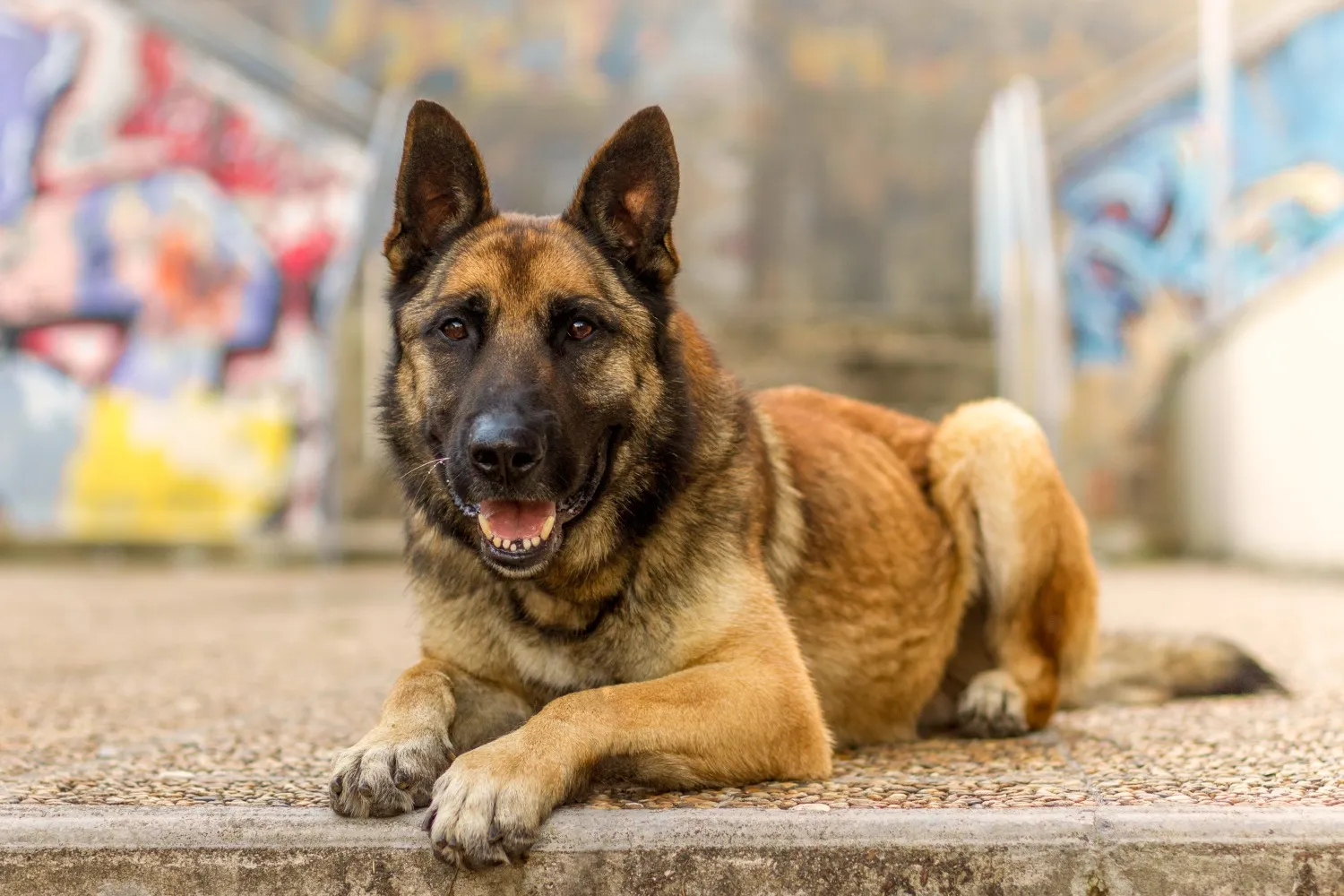 A photo of Hagrid, a large dog with a somewhat mischievous expression.
This observation led to the core of Hagrid’s hack: instead of trying to force a dog into a heel position, this method uses positive reinforcement to encourage the dog to choose to be in close proximity. It’s about making it rewarding for the dog to walk near you, rather than punishing them for pulling. This approach is particularly beneficial for dogs who have a strong prey drive or are easily distracted, as it focuses on building a positive association with being close to their handler. Discover how to get a puppy used to a leash.
Implementing Hagrid’s Loose Lead & Heel Walking Method
The beauty of this technique lies in its simplicity and adaptability. You can begin in a calm, familiar environment, even at home, or during the easier parts of your regular walks.
- Establish an “Imaginary Circle”: Visualize a bubble, about 50cm or the length of your forearm, around your personal space.
- Reward Proximity: Every time your dog enters this “circle,” toss a treat 90 degrees to the side, away from your path. This encourages them to move out of your immediate space. Use a 2-3 meter lead initially to allow for comfortable treat tossing without tension.
- Gradual Reinforcement: Reward approximately 20 such “violations” of your personal space. The key is to throw the treat to the side where you want your dog to eventually walk.
- Increase Distance: As your dog returns to you after retrieving the treat, gradually increase the number of paces they can be in your personal space before you toss the next treat. Mix up the distances to keep them engaged.
- Refine the Behavior: Once your dog is consistently entering your personal space, you can begin to reward only the most egregious intrusions. You can also introduce a verbal cue, like “heel” or “ready,” just as the dog approaches your space, followed by the treat.
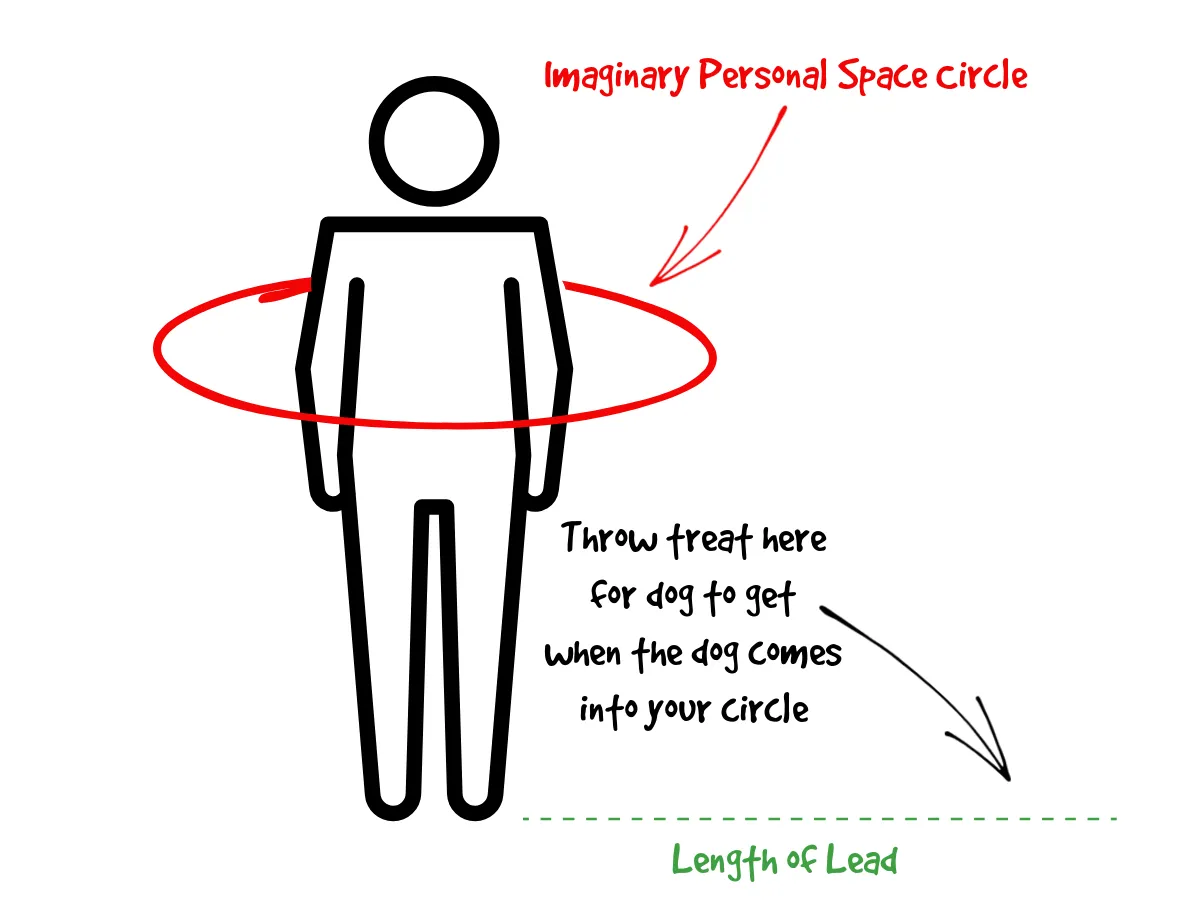 An illustration showing how to throw a treat to the side of the dog.
This method capitalizes on the dog’s natural tendency to return to you for a reward, gradually shaping them to walk closer and stay in your desired proximity. It’s crucial to reward when the dog is looking forward, not directly at you or your treat pouch, to avoid creating a “stargazer” walk. Learn how to stop a strong dog pulling on the lead.
Why This Method Works Wonders
The effectiveness of Hagrid’s hack stems from two primary principles:
- Progressive Shaping: It doesn’t force the dog into position but rather shapes them to walk closer by rewarding their natural tendencies. The dog learns that proximity to you is a valuable resource. Explore tips for how to crate train a puppy fast.
- Clear Communication: By tossing treats away, you create a clear test of whether the dog understands what behavior is being rewarded. If they disengage to find the treat, it indicates they need more time or a slower pace. This method is about building value for your presence, making your dog more attentive and focused on you.
This approach is less about a constantly tight lead and more about teaching your dog that walking near you is rewarding. It’s a gradual process that transforms a “steam train” into a polite walking companion. Over a few weeks, you’ll likely notice a significant increase in your dog’s focus on you and a decrease in unwanted pulling behaviors.
Conclusion: A Truly Practical Solution
Hagrid’s simple, yet profound, method offers a humane and effective way to teach loose-lead walking and heel work. By understanding and applying this positive reinforcement technique, you can transform your walks from a battle of wills into a harmonious partnership. This method emphasizes patience, consistency, and rewarding desired behaviors, leading to a more enjoyable and connected experience for both you and your canine companion.
Ready to transform your walks? Explore more dog training tips and resources at Dog Care Story.
