
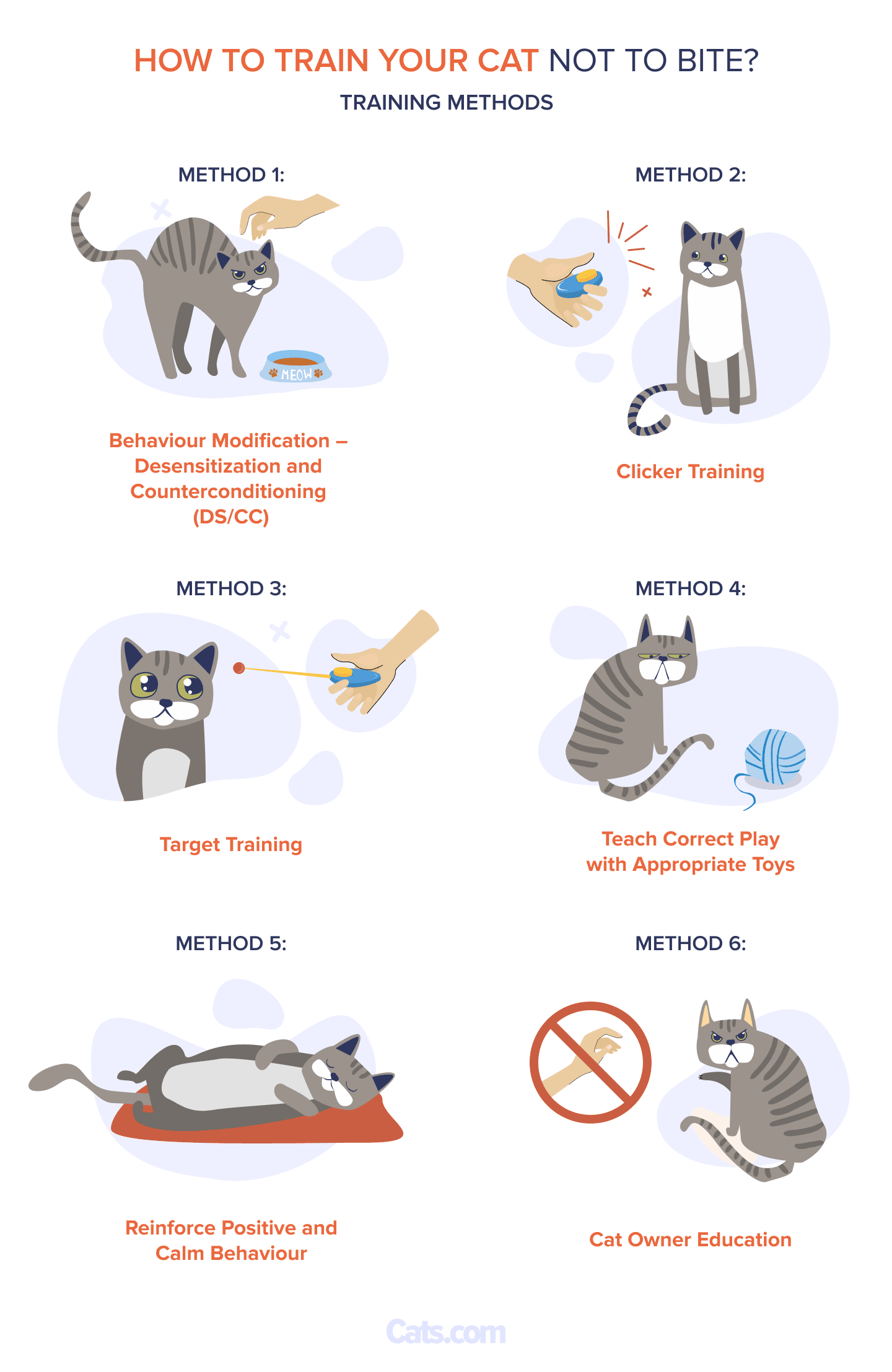
Kittens, by nature, are predators and naturally express their instincts through biting, chomping, and gnawing. As early as 4 weeks old, they begin to visually track moving objects, practicing their pounce. If any part of your body is in motion, it can easily become their target. While biting is a normal kitten behavior, it’s crucial to redirect this instinct towards appropriate objects, not your hands or feet. Fortunately, kittens are adaptable and can learn quickly with proper guidance.
Kittens Need an Outlet for Their Biting Instinct
The fundamental reason kittens bite humans is their desire to practice their natural hunting behaviors on a moving object. Kittens are biologically programmed to attack anything that moves, making it essential to teach them from a young age to play with toys instead of fingers or feet. Engaging in active play sessions multiple times a day, especially before meals, is an excellent way for kittens to develop motor skills, learn appropriate behaviors, and expend pent-up energy.
The Importance of Interactive Play
A toy that doesn’t move is unlikely to capture a kitten’s interest when they are trying to practice their hunting skills. Choose toys that you can actively play with, mimicking different types of prey. Wand toys, crinkle balls, felt mice, and kicker toys are excellent options. Wand toys allow for dynamic movement that mimics prey, encouraging your kitten to stalk, chase, pounce, and finally “catch” the toy. Once they have the toy, allow them to bite and “bunny kick” it before moving it again. Conclude play sessions by rewarding your kitten with a treat or meal, simulating the satisfaction of a successful hunt. This reinforces their proper hunting behaviors.
Keep a few kicker toys readily accessible even when you’re not actively playing. If your kitten bites you, avoid scolding; instead, simply redirect their attention to a kicker toy. The goal isn’t to say “don’t bite,” but rather to teach them “bite this!”
Discourage Hand and Foot Play
It can be tempting to wiggle your fingers or tickle a kitten’s belly, but doing so teaches them that your skin is an acceptable target for their hunting practice. While this might seem harmless initially, it can lead to problems as kittens grow larger and their playful attacks become more intense. Prospective adopters may not find a 12-pound tabby stalking their ankles cute. Therefore, kitten caregivers have a responsibility to help kittens establish good biting behaviors early on, as it’s far easier to build a positive habit than to break a negative one. When a kitten attacks your hands or feet, calmly disengage and redirect them to a more suitable play object.
Quick Tips for Managing Kitten Biting
- Provide Ample Stimulation: Ensure your kitten has a variety of toys, including plush toys, wand toys, crinkle balls, and tunnels, to keep them engaged. Offer diverse toys that mimic different prey. You can even create your own toys at home!
- Engage in Daily Play: Actively play with your kitten multiple times a day using toys that you can make wiggle and flutter. If you don’t actively engage them with toys, your hands and feet will likely become their only moving targets.
- Reward Positive Behavior: Allow your kitten to “catch” the toy and then provide an opportunity for them to bite and kick it. After playtime, reward them with a treat or meal to signify a successful hunt.
- Consistent Redirection: Always redirect biting behaviors towards an appropriate toy. For every “no,” offer an equally or more attractive “yes.” Instead of focusing on punishment, recognize that the kitten is seeking a specific type of stimulation and provide a suitable alternative. This approach satisfies their natural urges, leading to a bite-free environment.
The Benefits of a Companion Kitten
If you have a single kitten, consider getting a second one. Kittens are often happiest and best-behaved when they have a companion. They can play-hunt with each other, expend energy together, and even teach each other important biting boundaries. Read more about why kittens thrive in pairs!
For a visual guide, watch this video on how to stop kittens from biting you:
