
When you picture a perfectly obedient dog, chances are you’re imagining a German Shepherd heeling flawlessly beside its handler, responding to crisp, single-word commands. This image is the hallmark of German Training For Dogs, a philosophy renowned for creating disciplined, reliable, and deeply bonded canine companions. But what exactly is this training method? Is it just about barking orders in a different language, or is there a deeper system at play? This guide will explore the principles, commands, and techniques that define this world-famous training approach, helping you decide if its structured methods are the right fit for you and your furry friend. For those starting their journey, understanding the fundamentals is key, much like the approach used in basic training for german shepherd dogs.
Unpacking the Philosophy of German Dog Training
At its core, German training for dogs is built on a foundation of clarity, consistency, and a strong work ethic. It’s not about dominance in the outdated sense but about creating a crystal-clear communication system where the dog understands its role and what is expected of it. This method emphasizes the dog-handler relationship as a working partnership, where mutual respect is earned through structured interaction and shared goals.
The training is often associated with working breeds like the German Shepherd, Doberman, and Rottweiler, which were developed for tasks requiring high levels of intelligence, focus, and obedience. However, the principles can be adapted for almost any dog with the right temperament.
“The German approach is about building a ‘thinking dog’,” explains Dr. Klaus Richter, a renowned canine behaviorist. “We don’t just want a dog that obeys; we want a dog that understands its job and performs it with confidence and precision. This comes from clear rules and unwavering consistency from the handler.”
Key principles include:
- Structure and Discipline: Dogs thrive on routine and clear boundaries. German training establishes a predictable environment where the dog knows the rules of the house and the expectations during training sessions.
- Clear Communication: The use of short, distinct German commands is a hallmark of this style. The idea is that these words are less likely to be confused with everyday conversation, providing an unambiguous signal to the dog.
- High Expectations: The method works from the belief that dogs are capable of incredible focus and complex tasks. It challenges the dog mentally and physically, which can prevent boredom and destructive behaviors.
- The Handler’s Role: A significant emphasis is placed on the owner or handler. You are expected to be a confident, consistent, and fair leader. Your timing, body language, and tone are just as important as the commands you give.
The Essential German Dog Training Commands
While the philosophy is paramount, the German commands are the most recognizable feature of this training style. Using a language that is not your native tongue for training can be highly effective because the commands remain emotionally neutral and distinct from the chatter your dog hears daily. Many wonder what language are k9 dogs trained in, and German is a frequent answer precisely for this reason.
Here are some of the most fundamental commands and their meanings:
| German Command | Phonetic Pronunciation | English Meaning | Description |
|---|---|---|---|
| Sitz | Zits | Sit | The basic command for asking your dog to sit down on its hind legs. |
| Platz | Plots | Down | The command for the dog to lie down completely. |
| Bleib | Blibe | Stay | Asks the dog to hold its current position (sitting, standing, or down). |
| Hier | Heer | Here / Come | The recall command, asking your dog to return to you immediately. |
| Fuss | Foos | Heel | The dog should walk closely by your left side, with its shoulder near your knee. |
| Aus | Ows | Out / Drop It | Tells the dog to release whatever it has in its mouth. |
| Nein | Nine | No | A correction command to stop an unwanted behavior immediately. |
| Bring | Bring | Fetch | The command to retrieve an object and bring it back to you. |
| Such | Zook | Search | Instructs the dog to use its nose to find something. |
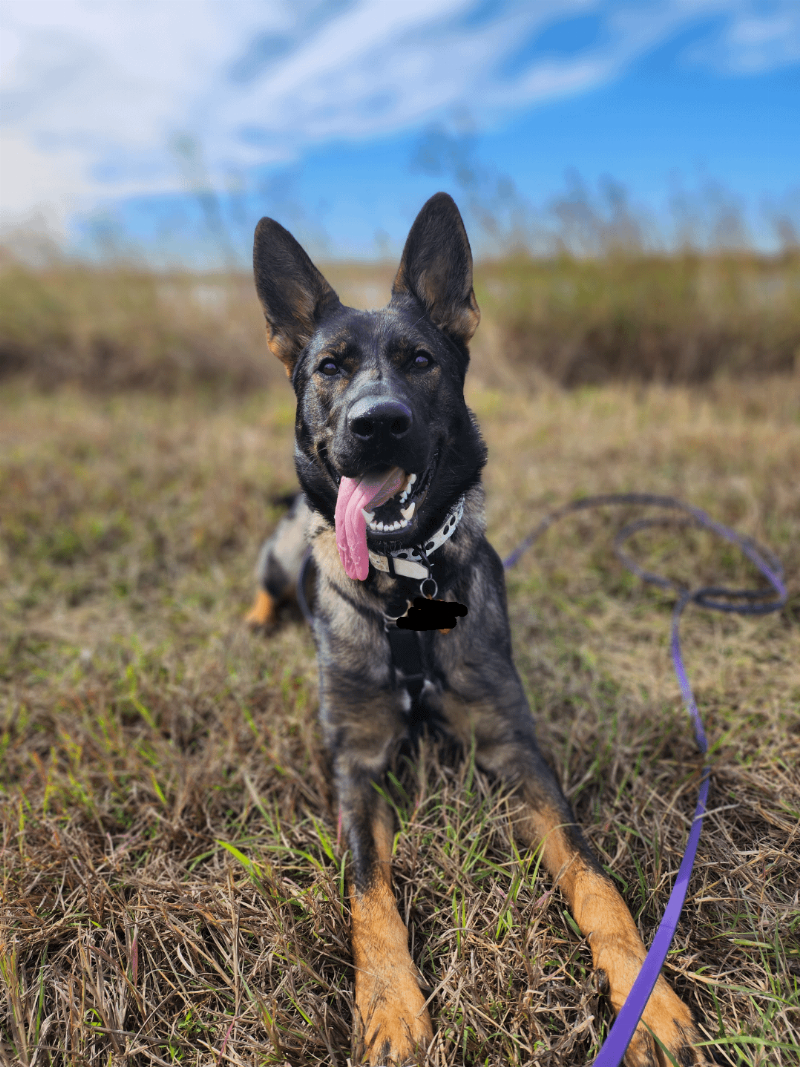 A focused German Shepherd dog looking intently at its owner during a training session, demonstrating the 'Sitz' command in a park setting.
How to Apply German Training Methods Effectively
Adopting German training for dogs requires more than just memorizing commands; it requires a shift in mindset. It’s a lifestyle of structured interaction that builds a powerful bond between you and your dog.
Building a Strong Foundation
The work begins the moment your puppy or dog comes home. Early socialization is crucial to expose your dog to various sights, sounds, and other animals in a controlled and positive way. This builds a confident, stable temperament, which is essential for more advanced training later. Basic obedience should start immediately. Use positive reinforcement like treats and praise to make learning commands like “Sitz” and “Platz” an engaging and rewarding experience.
The Power of Consistency
If there is one non-negotiable rule in German dog training, it’s consistency. Every person in the household must use the same commands and enforce the same rules. If “Platz” means lie down, it must always mean lie down. If dogs are not allowed on the furniture, they are never allowed on the furniture. This black-and-white approach eliminates confusion and helps your dog learn faster and more reliably. Repetition is your best friend; short, frequent training sessions are far more effective than long, infrequent ones.
The Schutzhund Influence
You cannot discuss German dog training without mentioning Schutzhund (now known as IGP), which translates to “protection dog.” It is a challenging three-part sport consisting of tracking, obedience, and protection phases. While most pet owners will not train their dogs for protection work, the principles of Schutzhund heavily influence the German training philosophy. The sport demands precision, courage, and a strong partnership, qualities that are instilled through its rigorous obedience and tracking exercises. This training discipline is particularly effective, and when considering it, one can draw parallels to the specific needs of training german shepherd dogs.
Is German Training the Right Choice for Your Dog?
While its roots are with specific working breeds, the principles of German training for dogs can be beneficial for many types of canines. Intelligent, high-energy dogs often thrive in this structured environment because it provides the mental stimulation they crave. Breeds like Belgian Malinois, Dutch Shepherds, and even some terriers can excel with this method.
However, it’s equally important to consider your own personality as a handler. This method requires a significant commitment to consistency, patience, and leadership. You must be prepared to invest time daily in reinforcing rules and practicing commands. It is less suited for owners who prefer a more hands-off, permissive style of dog ownership. For those in specific locales, options like service dog training greensboro nc may offer structured programs that align with these principles.
Modernizing Traditional German Training
A common misconception about German training for dogs is that it is harsh or punishment-based. While historical methods may have been more severe, modern German training has evolved significantly. Today’s best trainers blend the structure and high expectations of the traditional method with the science-backed techniques of positive reinforcement.
The focus is on “balanced training.” This means the dog is rewarded for correct behaviors (e.g., with a treat, toy, or praise) and given a clear, fair correction for incorrect ones (e.g., a verbal “Nein!” or a leash pop). The goal of a correction is not to punish but to interrupt the unwanted behavior and redirect the dog to the correct choice. It’s about providing information, not intimidation. Exploring different established methods can also be enlightening, as seen in the unique approach of new skete dog training.
Frequently Asked Questions (FAQ)
What is the main difference between German training and other methods?
The key difference lies in its emphasis on structure, precision, and the dog-handler relationship as a working partnership. While many methods focus purely on positive reinforcement, German training often incorporates a balanced approach, using both rewards for good behavior and clear, fair corrections for mistakes to provide clarity for the dog.
Are German training methods considered cruel?
Modern, reputable German training is not cruel. It has evolved from its harsher historical roots to embrace a more balanced and humane approach. The focus is on clear communication and fair leadership, not on intimidation or physical punishment. A responsible trainer always prioritizes the dog’s well-being.
Can I use German commands with any dog breed?
Absolutely. While the commands are famously associated with German breeds, any dog can learn them. The crisp, unique sounds of the German words can actually make it easier for dogs of any breed to distinguish their commands from everyday conversation.
How long does it take to see results with German training?
You will see initial results with basic commands like “Sitz” within a few short sessions. However, achieving the high level of reliability and off-leash obedience associated with German training is a long-term commitment. Consistency is key, and true mastery can take months or even years of dedicated practice.
Do I need to hire a professional trainer for this method?
While you can start with the basics on your own, it is highly recommended to work with a professional trainer experienced in German methods, especially if you are new to this style. A good trainer can teach you proper technique, timing, and how to read your dog’s body language, preventing you from making common mistakes and ensuring the training is fair and effective.
The Final Word on German Training
The world of German training for dogs offers a path to a deeply rewarding and respectful relationship with your canine companion. It is a philosophy that honors a dog’s intelligence and capability by providing the structure and clarity it needs to thrive. By combining the time-tested principles of discipline and consistency with modern, humane techniques, you can build an unbreakable bond and cultivate a dog that is not only well-behaved but also a confident and fulfilled partner in all of life’s adventures.
