
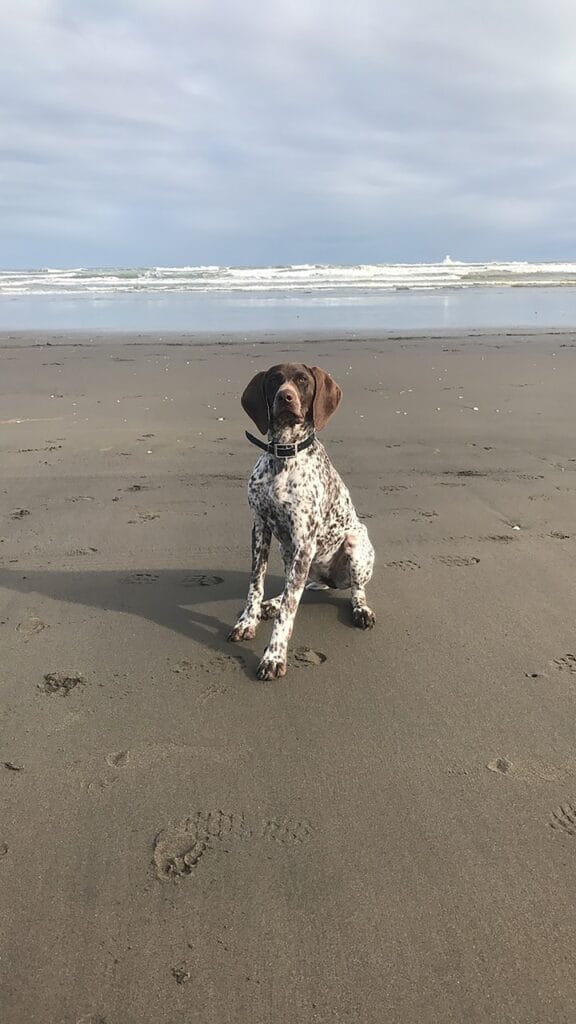
Bringing a new puppy into your home is an exciting time, and for those interested in bird hunting, introducing them to game birds is a crucial step in their training. However, accessing suitable birds for training can be a significant challenge for many dog owners, especially in areas with declining wild bird populations or facing the expense and variable quality of pen-raised birds. Fortunately, a common and effective alternative for introducing your young pointing dog to birds is the humble pigeon. This guide is designed for owners who want to train their own dogs but have limited access to wild or pen-raised game birds.
The ideal age to begin introducing most puppies, such as German Shorthaired Pointers, to birds is around 12 weeks. At this age, they typically possess the physical ability to navigate cover and are beginning to exhibit natural hunting instincts. While this age is a good starting point, a slight delay due to bird availability is not detrimental. It’s important to note that a common mistake is allowing a young puppy to catch the bird. While professional trainers might advocate for methods that build hunt desire through catching, this can inadvertently encourage chasing behaviors that will later need to be corrected for a steady, well-trained dog. The goal is to foster a love for the hunt without developing habits that hinder advanced training.
Training Your Pointer Pup with Pigeons
When first introducing your puppy to birds, it’s recommended to use two to four pigeons. Using too many can overwhelm the pup, leading to excessive excitement or making the process too routine to maintain interest. You will also need a 20-foot check cord and a helper. Ideal conditions include a light breeze (10-15 mph) to carry the scent and ground cover about six inches deep, which allows you to see your puppy while still providing some concealment for the bird.
To prepare the pigeon, gently dizzy it by flipping it back and forth for about 20 seconds, then tuck its head under its wing and hold it still. Plant the bird in the grass, ensuring it is hidden. Bring your puppy into the field upwind but to the side of the scent cone. As the wind carries the scent, it will spread, allowing the pup to encounter it more naturally. This method is crucial for teaching the dog to follow the scent gradually, mimicking how they would track game in the wild, rather than overwhelming them and potentially leading to a chase. Avoid sending the pup directly downwind towards the bird, as this can lead to it zeroing in on the scent too quickly and pouncing rather than pointing.
Your helper should position themselves on the opposite side of where the pup will enter the field, near the bird but not directly on top of it. For a young pup, you can remove the check cord once you’ve guided them to their starting position. Use your standard command, such as “hunt,” to send the pup into the field. You may need to follow and encourage your puppy initially to ensure they move in the correct direction. Observe your pup for signs of scent detection, such as a zig-zagging pattern as they follow the scent cone.
At this stage, two outcomes are likely: the pup will either immediately pinpoint the pigeon or pause in a pointing stance before pouncing. This is where your helper plays a vital role. They should use their foot or a fishing pole to encourage the pigeon to fly before the pup can catch it. It’s important to praise your pup as it zeros in on the pigeon before the flush, but refrain from praising any chasing behavior. For this initial lesson, while discouraging chasing is the long-term goal, it’s too early to enforce it strictly. Simply avoid encouraging it. Repeat this exercise two to four times, planting the bird in slightly different locations within the same general area.
If your pup is older (around six months) and has had no prior bird exposure, it’s advisable to keep the check cord on and actively restrain the pup from chasing from the outset. Hold the pup back until the bird is out of sight. Typically, they will abandon the chase quickly once the bird disappears. Most puppies show immediate eagerness to hunt, even without the opportunity to chase or catch birds. If a pup does manage to catch the bird, calmly take it away without punishment. If the pup is reluctant to release its catch, use your release command and gently blow into its ear. Afterward, offer praise.
Should your pup display a lack of interest, several strategies can help. First, ensure your scent is not on the bird, as this could confuse the pup. Second, if the pup is a slow maturer, wait a bit longer for its prey drive to develop. Puppy development varies, and the age at which prey drive emerges can differ significantly. Third, consider using a pigeon training harness. Attach a pigeon to the harness, connect it to a light cord, and use a long pole to tease the pup by swinging the bird past it, briefly setting it down, and pulling it away as the pup attempts to catch it. This method is designed to stimulate intense desire. Fourth, and perhaps the most challenging, is to find an area with wild game birds and conduct training there.
Typically, the introduction to birds and initial stages of bird training are successfully completed within a couple of sessions. Maintaining a positive and enjoyable experience is paramount, especially when working with young pups.
Remember, the key to successful bird introduction lies in patience, positive reinforcement, and understanding your puppy’s developmental stage. With consistent and thoughtful training, your pointer pup will be well on its way to becoming a proficient hunting partner.
