
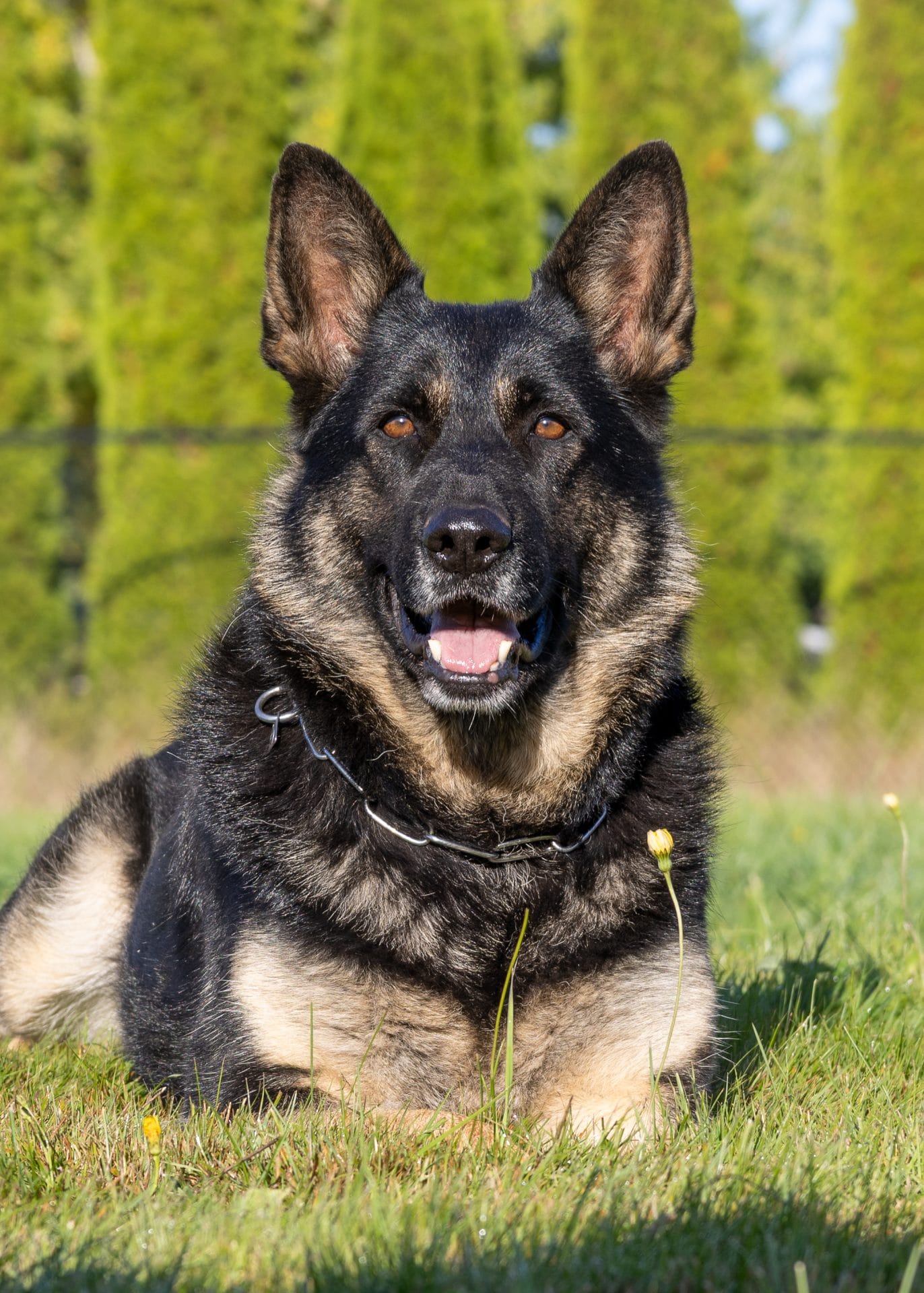
The journey of welcoming a German Shepherd into your home is filled with excitement, loyalty, and a deep bond. These intelligent and versatile dogs, known for their striking appearance and unwavering devotion, thrive with proper guidance and training. If you’re asking, “Where can I find German Shepherd Dog Training Near Me?” you’re already on the right track to ensuring your canine companion becomes a well-behaved and happy member of your family. Effective training is not just about obedience; it’s about communication, understanding, and building a foundation of trust that lasts a lifetime. This comprehensive guide will help you navigate the world of German Shepherd training, from understanding their specific needs to finding the most effective programs in your area.
Understanding the German Shepherd’s Needs
German Shepherds are a breed renowned for their intelligence, eagerness to please, and strong work ethic. This means they require more than just basic obedience; they need mental stimulation and consistent challenges to thrive. Their heritage as working dogs means they possess a natural drive and a desire to have a “job,” whether that’s guarding, herding, or simply being a well-behaved family pet.
- High Intelligence: German Shepherds are consistently ranked among the smartest dog breeds. This intelligence means they learn quickly, but it also means they can get bored easily if not adequately stimulated. Training sessions should be engaging and varied to keep them interested.
- Energy Levels: These dogs are active and need regular exercise. Insufficient physical and mental activity can lead to boredom, destructive behaviors, and anxiety. Daily walks, play sessions, and engaging training activities are crucial.
- Loyalty and Protective Instincts: German Shepherds form strong bonds with their families and naturally have protective instincts. Training helps channel these instincts appropriately, ensuring they are discerning and not overly reactive.
- Sensitivity: While strong and capable, German Shepherds can also be sensitive to harsh training methods. Positive reinforcement techniques, clear communication, and patience yield the best results.
The Importance of Early Training and Socialization
The foundation for a well-adjusted German Shepherd is laid early. Puppyhood is a critical period for both training and socialization.
Socialization: Building a Confident Dog
Introducing your German Shepherd puppy to a wide variety of sights, sounds, people, and other animals in a positive and controlled manner is essential. This helps them develop into confident, well-adjusted adults who are less likely to be fearful or aggressive.
- Expose them to different environments: Parks, busy streets (from a safe distance initially), and various surfaces.
- Introduce them to diverse people: Different ages, appearances, and even those wearing hats or using mobility aids.
- Safe interactions with other vaccinated dogs: Puppy classes are an excellent way to facilitate this.
Basic Obedience Training
Starting basic obedience early helps establish communication and respect. Commands like “sit,” “stay,” “come,” and “down” are fundamental. This not only makes your dog easier to manage but also strengthens your bond.
Finding Quality German Shepherd Dog Training Near Me
When searching for training programs, consider the philosophy, methods, and experience of the trainers. For a breed as intelligent and driven as the German Shepherd, finding a trainer who understands their unique characteristics is paramount.
Types of Training Programs
- Puppy Socialization and Obedience Classes: Ideal for young puppies, these classes focus on basic commands and crucial socialization skills in a controlled environment. Many facilities offer specialized programs, like how are service dogs trained, which can be beneficial for German Shepherds due to their aptitude.
- Advanced Obedience: Once basic commands are mastered, advanced obedience can refine skills and introduce more complex commands.
- Agility Training: This fun and challenging activity taps into a German Shepherd’s athleticism and intelligence, providing excellent physical and mental exercise.
- Specialized Training: German Shepherds excel in various specialized roles. If you’re interested in activities like protection sports, attack dog training near me might be an option, but it requires experienced trainers who prioritize safety and ethics. Similarly, they can be trained for tasks such as detection or search and rescue, making programs like search and rescue training for dogs near me a possibility.
- Behavioral Modification: For dogs exhibiting specific behavioral issues, a qualified trainer or veterinary behaviorist can provide targeted solutions.
What to Look for in a Trainer or Facility
- Positive Reinforcement Methods: Look for trainers who use reward-based techniques (treats, praise, toys) rather than punishment or fear-based methods. This approach builds trust and encourages a willing partnership.
- Experience with the Breed: A trainer experienced with German Shepherds will understand their specific temperaments, learning styles, and potential challenges.
- Certified Professionals: Certifications from reputable organizations (e.g., CCPDT, IAABC) indicate a commitment to professional standards and ongoing education.
- Small Class Sizes: This allows for more individual attention for your dog.
- Clean and Safe Environment: The training facility should be well-maintained, secure, and conducive to learning.
- Clear Communication and Philosophy: Ensure you understand the trainer’s methods and that their philosophy aligns with your goals for your dog.
Common Training Challenges and Solutions for German Shepherds
Even with the best intentions, training can present challenges. Understanding these common issues can help you address them proactively.
Leash Pulling
German Shepherds can be strong pullers. Training should focus on teaching them to walk politely on a leash. Using a front-clip harness or a head halter, combined with rewarding loose-leash walking, can be effective. Consistent practice is key.
Barking and Reactivity
Excessive barking or reactivity towards stimuli like other dogs, people, or sounds can be managed. Identifying the trigger is the first step. Training often involves desensitization and counter-conditioning to change the dog’s emotional response to the trigger. Professional guidance, perhaps from a dog trainer in phoenix if you are in that area, can be invaluable here.
Resource Guarding
This occurs when a dog becomes possessive of valuable items like food, toys, or even their owners. It’s crucial to address this with careful training to prevent aggression. Counter-conditioning and teaching a reliable “leave it” command are important components.
Separation Anxiety
German Shepherds often form strong attachments to their owners and can suffer from separation anxiety when left alone. Gradual departures, providing engaging enrichment toys, and creating a safe space can help. In severe cases, professional intervention is recommended. For dogs with specific health needs, understanding specialized training like cardiac alert dog training can also highlight the depth of a dog’s capabilities when properly trained.
Beyond Basic Obedience: Engaging Your German Shepherd
Once your German Shepherd has a solid foundation in obedience, consider activities that further engage their minds and bodies.
- Canine Sports: Beyond agility, consider obedience trials, rally, dock diving, or scent work. These activities provide a fulfilling outlet for a German Shepherd’s natural talents.
- Trick Training: Teaching your dog fun tricks is a great way to reinforce the learning process, strengthen your bond, and provide mental stimulation.
- Problem-Solving Games: Puzzle toys, treat-dispensing balls, and DIY scent games can keep their intelligent minds sharp.
Conclusion: A Rewarding Partnership
Training your German Shepherd is an investment in a lifelong, harmonious relationship. By understanding their breed-specific needs, committing to early socialization and consistent training, and seeking out quality programs when you search for “German Shepherd dog training near me,” you are setting the stage for a well-behaved, confident, and cherished companion. The effort you put into training will be repaid tenfold in the unwavering loyalty and joy your German Shepherd brings to your life.
