
German Shepherds are renowned for their intelligence, loyalty, and versatility. This remarkable combination makes them one of the most capable breeds in the world, but it also means that proper training is not just a suggestion—it’s a necessity. Understanding the core principles of German Shepherd Dog How To Train is the first step toward building a rewarding and lifelong bond with your canine companion. Without structure and guidance, their powerful intellect and energy can manifest in undesirable ways. This guide will walk you through the essential steps to shape your German Shepherd into a well-mannered, confident, and happy member of your family.
The journey of training your German Shepherd begins with understanding their unique temperament. Bred for herding and guarding, they possess a strong work ethic and an innate desire to please their owners. This makes them highly trainable, but they require a confident leader who can provide clear and consistent commands. Early and consistent training establishes a foundation of respect and communication that will last a lifetime. For a broader overview of training this incredible breed, exploring topics in german shepherd dog training can provide valuable context.
The Foundations of German Shepherd Training
Before you teach the first “sit” or “stay,” it’s crucial to establish the right environment and mindset for success. Training a German Shepherd is as much about managing their environment and your expectations as it is about teaching commands. Their intelligence means they learn quickly—both good and bad habits.
Essential Supplies for Training
To get started, you’ll need a few key items. These tools are not about control, but about clear communication and positive reinforcement.
- High-Value Treats: Small, soft, and delicious treats that your dog loves. These are used to reward desired behaviors immediately.
- A Sturdy Leash: A standard 6-foot leash is perfect for training. Avoid retractable leashes, as they offer less control.
- A Proper Collar or Harness: A well-fitting flat collar or a front-clip harness can help manage pulling without causing discomfort.
- Crate: A crate serves as a safe, den-like space for your dog and is an invaluable tool for house training.
The Power of Positive Reinforcement
Modern, effective dog training revolves around positive reinforcement. This means rewarding the behavior you want to see, rather than punishing the behavior you don’t. German Shepherds respond exceptionally well to this method. They are eager to please, and when they learn that a certain action results in a treat or praise, they are more likely to repeat it. Punishment can create fear and anxiety, which often leads to aggression and other behavioral problems. As canine behaviorist Dr. Sarah Miller states, “A German Shepherd trained with rewards learns to think and make good choices. A dog trained with punishment only learns to fear making the wrong choice.”
Key Training Stages for Your German Shepherd
Training should begin the moment you bring your German Shepherd home and evolve as they grow. Each stage has a different focus, from basic house manners to advanced obedience.
Stage 1: The Puppy Phase (8-16 Weeks)
This is the most critical period for socialization and foundational training. Your puppy’s brain is like a sponge, soaking up every experience.
House Training and Crate Training
House training requires a consistent schedule. Take your puppy out first thing in the morning, last thing at night, and after every meal, nap, and play session. When they eliminate outside, praise them enthusiastically and offer a treat. Crate training is a key part of this process. Introduce the crate as a positive, safe space with toys and treats. It helps prevent accidents and gives them a secure den of their own.
Early Socialization
Introduce your puppy to as many new sights, sounds, and experiences as possible in a positive way. This includes meeting different people and vaccinated, friendly dogs. Proper socialization prevents fear and aggression later in life. A well-socialized GSD is calm and confident in new situations.
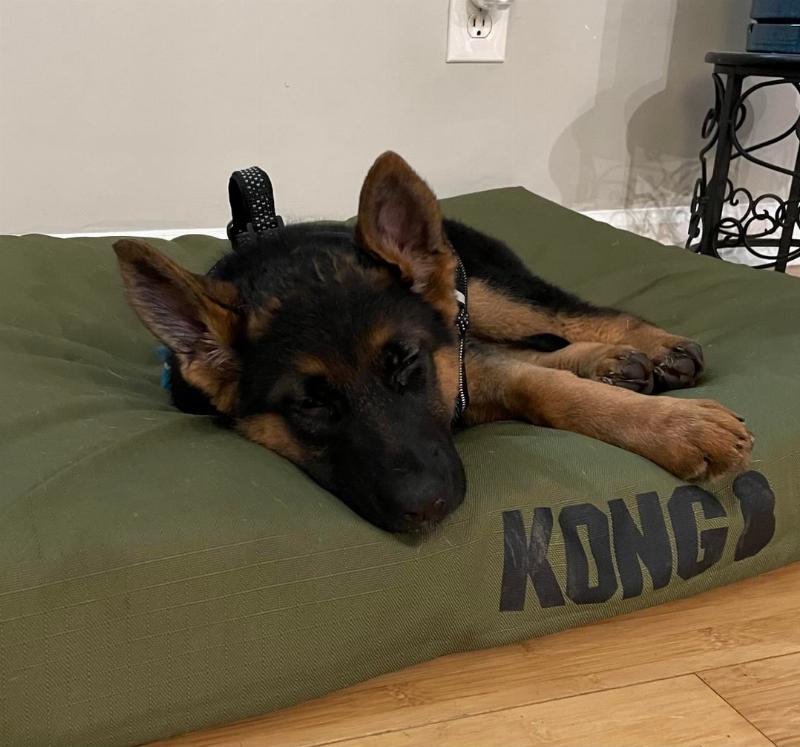 A young German Shepherd puppy sitting patiently, demonstrating a key aspect of German Shepherd dog how to train.
Stage 2: Basic Obedience (4-6 Months)
Once your puppy has settled in, you can start formal obedience training. Keep sessions short, fun, and positive—around 5-10 minutes each.
How to Teach Essential Commands
- Sit: Hold a treat near your dog’s nose. Move it up and back over their head. As their head goes up, their rear will naturally go down. The moment they sit, say “Sit,” and give them the treat and praise.
- Stay: Ask your dog to sit. Hold your hand up like a stop sign and say “Stay.” Take one step back. If they stay, step back to them, give them a treat, and release them with a word like “Okay!” Gradually increase the distance and duration.
- Come: With your dog on a leash, say their name followed by “Come!” in an excited tone. Gently guide them toward you with the leash. When they get to you, reward them with lots of praise and a special treat. Never call your dog to punish them.
- Heel: “Heel” means your dog should walk beside your left knee without pulling. Start by getting your dog’s attention with a treat. With the leash in your right hand and the treat in your left, lure them into position. Take a few steps forward, saying “Heel.” Reward them for staying by your side. For owners wanting to take this skill to the next level, german shepherd guard dog training often builds upon a perfect heel.
Consistency is key. Everyone in the household should use the same commands and rules to avoid confusing your dog.
Addressing Common Behavioral Challenges
Even with the best training, German Shepherds can develop behavioral issues. Their intelligence and energy levels require productive outlets.
Nipping and Bite Inhibition
Puppies explore the world with their mouths. It’s your job to teach them “bite inhibition”—how to control the pressure of their jaw. If your puppy nips you during play, yelp loudly (“Ouch!”) and briefly withdraw your attention. This mimics how their littermates would teach them that they’ve bitten too hard. Redirect their chewing onto appropriate chew toys.
Leash Pulling
Pulling on the leash is a common problem. If your GSD starts to pull, simply stop walking. Stand still and wait. Only resume walking when the leash is slack. This teaches them that pulling gets them nowhere. You can also change direction, forcing them to pay attention to you. Using a front-clip harness can provide additional control while you’re training this behavior.
Excessive Barking
German Shepherds are vocal dogs, bred to alert their owners to potential threats. However, excessive barking needs to be managed. Teach a “Quiet” command. When your dog is barking, say “Quiet” in a calm, firm voice. The moment they stop, even for a second, reward them. Gradually increase the time they must be quiet before receiving the reward. Understanding the root cause of aggression is also critical; for some dogs, this may require specialized dog training for aggressive german shepherd to ensure safety and well-being.
Advanced Training and Mental Stimulation
A bored German Shepherd is a destructive German Shepherd. Their sharp minds need challenges to stay engaged and happy. Once they have mastered basic obedience, consider moving on to more advanced activities.
- Advanced Obedience: Work on off-leash commands and more complex skills.
- Canine Sports: Activities like agility, scent work, or competitive obedience provide fantastic physical and mental exercise.
- Trick Training: Teaching fun tricks is a great way to bond with your dog and keep their mind working.
Puzzle toys and games that require your GSD to solve a problem to get a reward are also excellent ways to provide mental stimulation. A simple game of “find the treat” can be a great rainy-day activity. Investing in your dog’s education, whether through local classes or specialized programs like german shepherd dog training las vegas, can pay dividends in their behavior.
Frequently Asked Questions (FAQ)
When is the best time to start training a German Shepherd?
Training should begin the day you bring your puppy home, around 8 weeks old. Start with house rules, crate training, and socialization. Formal obedience can begin right away with short, fun sessions.
How long does it take to train a German Shepherd?
Basic obedience can be mastered within a few months of consistent training. However, training is a lifelong commitment. Continuous practice and advanced training will keep your dog’s mind sharp and your bond strong.
Are German Shepherds easy to train?
Yes, their high intelligence and eagerness to please make them relatively easy to train. However, they require consistency and a confident leader. Their intelligence can also lead them to test boundaries if training is inconsistent.
How do I stop my German Shepherd from being aggressive?
Proper socialization from a young age is the best way to prevent aggression. If you are seeing signs of aggression, it is crucial to consult a professional dog trainer or veterinary behaviorist to identify the cause and create a safe management plan. Many behaviors that look like aggression are actually rooted in fear.
What is the most important command to teach my German Shepherd?
While all basic commands are important, “Come” is arguably the most critical. A reliable recall can keep your dog safe from dangerous situations, such as running into traffic or approaching an unfriendly dog.
Your Journey to a Well-Trained Companion
Training a German Shepherd is a deeply rewarding experience that builds a foundation of trust and mutual respect. The key to success in understanding german shepherd dog how to train lies in patience, consistency, and a positive approach. By providing clear guidance, mental stimulation, and loving leadership, you will unlock the incredible potential of this noble breed. Your well-trained German Shepherd will not just be a pet, but a loyal and devoted partner for life, capable of incredible things, including being one of the best trained german shepherd dogs in your neighborhood.
