
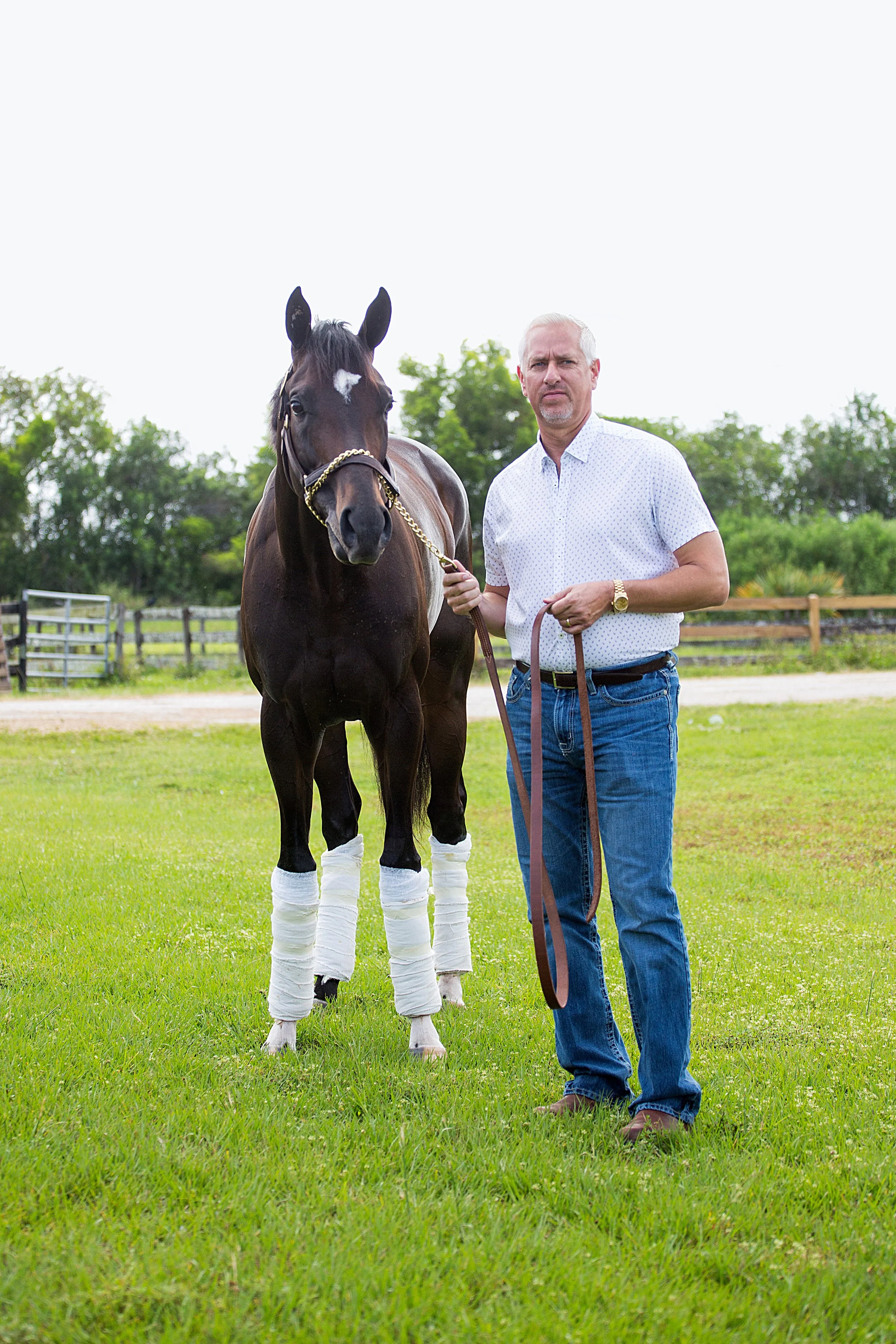
What if the most influential horse trainer you’ve never heard of wasn’t a horse trainer at all? In the world of horsemanship, we often look to famous clinicians and legendary cowboys for guidance. But one of the most profound philosophies for achieving true partnership with a horse comes from an unexpected source: George Leonard, a visionary author and Aikido master. While the racing world knows the hardworking George Leonard III, it is the timeless wisdom from the author of Mastery that offers a transformative path for every rider, owner, and George Leonard Horse Trainer in spirit. This is the key to unlocking not just a better-trained horse, but a more fulfilling equestrian journey.
Unveiling the Master: Who Was George Leonard?
George Leonard (1923-2010) was not a man you’d find in a dusty arena or a racetrack barn. He was an American writer, editor, and a leading figure in the Human Potential Movement. His profound insights were shaped not by breaking colts, but by his dedication to the martial art of Aikido. In his seminal 1991 book, Mastery: The Keys to Success and Long-Term Fulfillment, he distilled the universal principles of learning and dedication. He argued that true fulfillment comes not from achieving a final goal, but from embracing the journey of continuous practice. For Leonard, mastery is a path, not a destination—a philosophy that resonates deeply with the soul of horsemanship.
Why a Martial Artist’s Wisdom Matters for Equestrians
At first glance, Aikido and horse training seem worlds apart. Yet, both are profound studies in balance, energy, communication, and partnership. Both require you to quiet your mind, listen with your entire body, and respond with feel, not force. Leonard’s teachings provide a framework for the patience and persistence that every equestrian knows is essential. They give us a language for the slow, often invisible progress that defines our life with horses, helping us move beyond the frustrating quest for quick fixes and instant results.
The Heart of the Journey: Learning to Love the Plateau
One of George Leonard’s most powerful concepts is “the plateau.” He observed that learning any new skill isn’t a steady, linear climb. Instead, it consists of brief spurts of progress followed by long, flat plateaus where it feels like nothing is happening. We try, we practice, we put in the work, but the dramatic improvements seem to vanish. This is the moment most people quit. They change trainers, buy a new bit, or sell the horse, believing they’ve hit a wall.
“To take the master’s journey,” Leonard wrote, “you have to be willing to spend most of your time on a plateau, to keep practicing even when you seem to be getting nowhere.”
This is the absolute soul of horse training. The plateau is where the real magic happens. It’s in the thousandth transition, the hundredth time you ask for a soft feel, the quiet grooming session after a seemingly “unproductive” ride. This is where trust is built, where muscle memory is formed, and where the subtle language between horse and human becomes a fluent conversation. The true george leonard horse trainer understands that the plateau isn’t a place of stagnation; it’s the fertile ground where deep learning takes root.
Escaping the Quick-Fix Trap in Modern Horsemanship
Our culture craves instant gratification, and the horse world is not immune. We are bombarded with advertisements for gadgets that promise a perfect headset, supplements that guarantee calmness, and weekend clinics that claim to solve lifelong problems. George Leonard identifies these personality types as “The Dabbler,” who loves the initial rush of a new activity but quits when the first plateau hits, and “The Hacker,” who finds a comfortable level and just stays there, never pushing for true improvement.
By applying Leonard’s philosophy, we can consciously choose a different path: the path of the master. This means:
- Resisting shortcuts: Understanding that there are no shortcuts to building a foundation of trust and respect.
- Valuing consistency: Recognizing that 20 minutes of focused, quality practice each day is more valuable than sporadic, intense sessions.
- Celebrating small wins: Appreciating the slightest try from the horse, knowing it is a building block for future success.
As equine behaviorist Dr. Eleanor Vance notes, “Leonard’s concept of the plateau mirrors what we know about how animals learn. Lasting behavioral change is built on consistency and positive reinforcement over time, not through pressure or quick-fix tools. This approach is not only more effective but profoundly more ethical.”
The 5 Keys to Mastery in the Stable and the Saddle
George Leonard outlined five essential keys to walking the path of mastery. Here’s how they apply directly to anyone aspiring to be a better partner for their horse.
1. Instruction: Finding Your Guide
Mastery requires a teacher. In the horse world, this means finding a qualified instructor who understands your goals and, most importantly, respects the horse. A great coach doesn’t just give you exercises; they teach you how to learn and how to listen to your horse.
2. Practice: The Art of Repetition
This is the work. It’s grooming, mucking, tacking up, and riding. It is showing up consistently, day after day. As Leonard says, “Practice is the path. Love the practice.” Don’t just ride to achieve a goal; ride for the sake of riding itself.
3. Surrender: Trusting the Process
Surrender means letting go of your ego. It means admitting when you’re wrong, trusting your instructor, and, crucially, trusting your horse. When a training issue arises, instead of imposing your will, surrender to the moment and ask, “What is my horse trying to tell me?”
4. Intentionality: Visualizing the Connection
This is the power of focus and visualization. Before you even get on, visualize a soft, balanced ride. As you approach a jump, see the perfect distance. Intentionality is about bringing your full, conscious mind to every interaction with your horse.
5. The Edge: Pushing Your Boundaries
The edge is where growth happens. It means constantly challenging yourself to learn more, to ride a little better, to be a little softer. It doesn’t mean taking dangerous risks, but rather pushing the boundaries of your comfort zone in a safe and progressive way. A true master is always a student.
Becoming a “George Leonard Horse Trainer”
You don’t need to be a professional to walk this path. A george leonard horse trainer is anyone dedicated to the lifelong journey of becoming a better equestrian. It is a mindset, a commitment to an ethical and fulfilling partnership with your horse. It’s about understanding that the beautiful ribbons and perfect scores are not the goal; they are the byproducts of a journey undertaken with patience, dedication, and a love for the process itself. By embracing the philosophy of mastery, you give yourself and your horse the greatest gift: the time and grace to truly learn together.
Frequently Asked Questions (FAQ)
Is George Leonard, the author of Mastery, a horse trainer?
No, George Leonard was not a horse trainer. He was an author, educator, and Aikido expert. However, his universal principles on learning and dedication, particularly the concept of “loving the plateau,” are highly relevant and influential for modern, mindful horse training.
How can I apply the “plateau” concept when I feel stuck with my horse?
When you feel stuck, recognize you are likely on a plateau. Instead of getting frustrated, re-engage with the process. Focus on the quality of your practice, not the outcome. Perfect the basics, celebrate the smallest “try” from your horse, and trust that this consistent work is building a stronger foundation.
What is the difference between practice and “drilling” a horse?
Practice, in the spirit of George Leonard, is mindful repetition done for its own sake to refine a skill. “Drilling” often implies mindless repetition, sometimes done out of frustration, which can bore or sour a horse. The key difference is the intention: are you present and listening to your horse, or are you just going through the motions to get a result?
How does this philosophy improve the human-horse relationship?
This philosophy shifts the focus from a goal-oriented, often demanding, relationship to one based on partnership and a shared journey. By removing the pressure of constant, visible progress, you become more patient, a better listener, and more forgiving of yourself and your horse, which builds profound trust.
What are the first steps to adopting this mindset?
Start by setting process-oriented goals instead of outcome-oriented ones. For example, instead of “I will master the flying lead change this month,” try “I will spend 15 minutes each ride focused on straightness and balance.” Read George Leonard’s book, Mastery, and reflect on how its lessons apply to your own equestrian journey.
Conclusion: The Ultimate Reward of the Journey
In a world that chases speed and spectacle, the quiet philosophy of George Leonard offers a refreshing and sustainable path to excellence in horsemanship. It reminds us that the greatest rewards are not found in the winner’s circle but in the silent moments of connection and understanding built over thousands of hours of patient practice. To become a george leonard horse trainer is to embrace the journey, to love the plateaus, and to find fulfillment not in what you achieve, but in the person you become along the way. This patient, dedicated journey is the ultimate expression of respect for the horse and the art of riding itself.
