
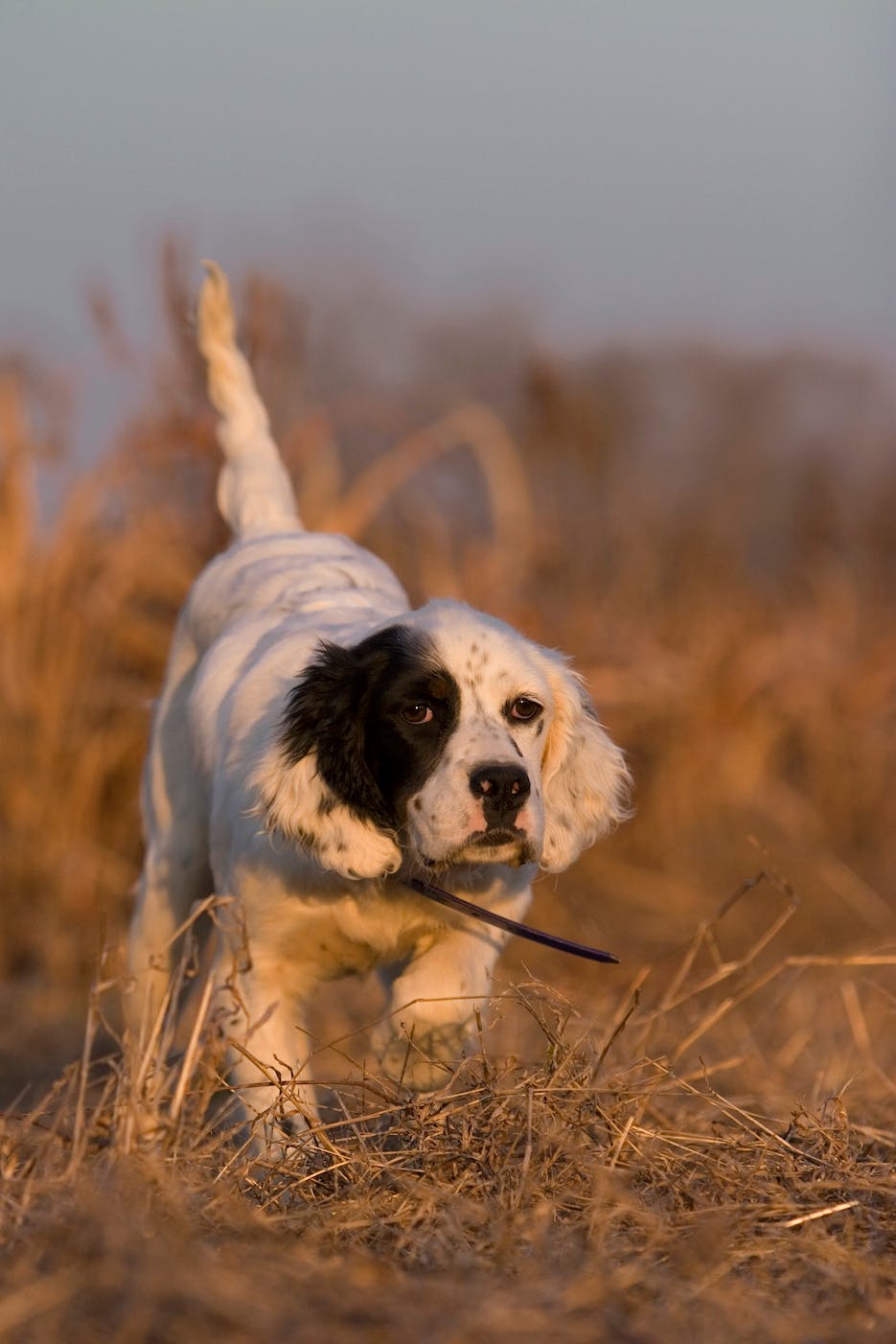
The journey of training a bird dog is a deeply rewarding experience, blending the primal instincts of a canine with the guiding hand of a dedicated handler. At the heart of this specialized training lies the expertise of individuals who understand the unique bond between a hunter and their dog, and the intricate art of shaping a dog’s natural abilities into reliable field performance. One name that resonates with authority and proven success in this domain is George Hickox. His approach to bird dog training is not just about imparting commands; it’s about fostering understanding, building confidence, and unlocking the full potential of a canine partner.
The Philosophy Behind George Hickox’s Training Methods
George Hickox’s training philosophy is rooted in a profound respect for the dog’s natural instincts and a commitment to ethical, science-based training. He emphasizes understanding the “why” behind a dog’s behavior, rather than simply forcing compliance. This involves recognizing that bird dogs are bred with specific genetic predispositions for hunting, and effective training works with these instincts, not against them. His methods are characterized by:
- Positive Reinforcement: While firm, Hickox’s approach heavily relies on rewarding desired behaviors. This builds a strong positive association with training and encourages the dog to think and learn proactively.
- Clear Communication: Dogs thrive on clarity. Hickox is a master at establishing clear signals and expectations, ensuring the dog understands what is being asked of them. This minimizes confusion and frustration for both dog and handler.
- Building on Instincts: Instead of suppressing natural drives, Hickox’s training channels them. For instance, a dog’s innate prey drive is carefully guided towards the specific behaviors needed for bird finding and retrieving.
- Developing a Partnership: The ultimate goal is not a subservient tool, but a reliable partner. Hickox’s training fosters a deep bond of trust and mutual respect, where the dog eagerly works alongside its handler.
Key Components of Bird Dog Training with George Hickox
George Hickox’s comprehensive training programs typically address several critical areas essential for developing a successful bird dog:
1. Foundational Obedience and E-Collar Introduction
Before delving into specialized bird work, a solid foundation of obedience is paramount. This includes commands like “sit,” “stay,” “come,” and “heel.” A crucial aspect of Hickox’s methodology involves the responsible and ethical introduction of the electronic collar (e-collar). When used correctly, the e-collar is a communication tool, not a punitive device. It allows for clear, consistent communication at a distance, which is vital in field settings. Hickox stresses that proper introduction and understanding of the e-collar’s function are key to its effectiveness and humane application. This phase ensures the dog is responsive and controllable in various situations.
2. Developing the Point
The “point” is the quintessential behavior of a bird dog, where the dog freezes in a specific posture, indicating the location of game birds. Training this involves several stages:
- Instinct Development: Encouraging the dog’s natural desire to find and freeze on scent. This often begins with planted dummy birds or scent articles.
- Reinforcement of the Point: Rewarding the dog generously when it naturally points. This could involve a clicker or verbal praise, followed by a retrieving dummy.
- Introducing Live Birds (Carefully): Gradual introduction to planted birds, ensuring the experience is positive and the dog learns to hold its point.
- Distance and Duration: Gradually increasing the distance at which the dog can hold a point and the duration it maintains the stance.
3. Stealthy or Steady to Flush
Once a dog can reliably point, the next critical step is teaching it to remain steady when the bird is flushed. This means the dog does not break point or chase the bird once it takes flight. This is crucial for safe hunting and for allowing the handler to make an ethical shot. Training for steadiness involves:
- Controlled Flushes: Using planted birds and a helper to flush the bird at a controlled moment.
- Reinforcing Stillness: Immediately rewarding the dog for remaining still when the bird flushes.
- Introducing Distractions: Gradually increasing distractions, such as other dogs or movement, to ensure the dog’s focus remains on remaining steady.
4. Retrieve and Delivery to Hand
A skilled bird dog not only finds game but also retrieves it to the handler. This involves:
- Encouraging Natural Retrieve: Most dogs have a natural inclination to pick things up. Training focuses on making this a positive experience.
- “Fetch” and “Give” Commands: Teaching the dog to respond to commands for retrieving and releasing the bird.
- “Hold” Command: Teaching the dog to hold the bird gently but firmly until instructed to deliver.
- Delivery to Hand: Training the dog to place the retrieved bird directly into the handler’s hand, a sign of excellent training and cooperation.
The Importance of Consistency and Patience
George Hickox consistently emphasizes that successful bird dog training is a marathon, not a sprint. It requires immense patience, unwavering consistency, and a deep understanding of canine behavior. Each dog is an individual, and training plans must be adapted accordingly. What works quickly for one dog might take more time and repetition for another.
- Consistency is Key: Using the same commands and signals every time, and maintaining a consistent training schedule, helps the dog learn and trust the process.
- Patience Prevails: Frustration is counterproductive. When a dog struggles with a concept, it’s a sign that the handler needs to adjust their approach, break down the task further, or revisit foundational skills.
- Positive Experiences: Ensuring that training sessions are overwhelmingly positive builds the dog’s enthusiasm for learning and working. Even during corrections, the overall experience should reinforce the bond and the dog’s desire to please.
Beyond the Basics: Advanced Concepts
For handlers seeking to further refine their dog’s abilities, Hickox’s expertise extends to more advanced concepts:
- Blind Retrieves: Training the dog to retrieve game that has fallen out of sight, relying solely on the handler’s verbal commands and whistle signals.
- Water Work: Ensuring the dog is comfortable and proficient at retrieving from water.
- Handling: Developing the dog’s ability to respond to various hand signals and whistle commands for precise maneuvering in the field.
- Specific Breed Needs: Understanding and training for the unique characteristics and historical purposes of different bird dog breeds (e.g., pointers, retrievers, setters).
Why Choose George Hickox’s Training Methods?
The enduring success of George Hickox’s training methods stems from a holistic approach that respects the dog, empowers the handler, and delivers tangible results in the field. His decades of experience have allowed him to refine techniques that are both effective and humane, ensuring that the process of training a bird dog is as fulfilling as the outcome.
For anyone looking to develop a reliable, enthusiastic, and skilled bird dog, understanding and applying the principles championed by George Hickox offers a clear path to achieving that goal. It’s about forging a partnership built on trust, communication, and a shared passion for the hunt, all guided by a master of the craft.
