
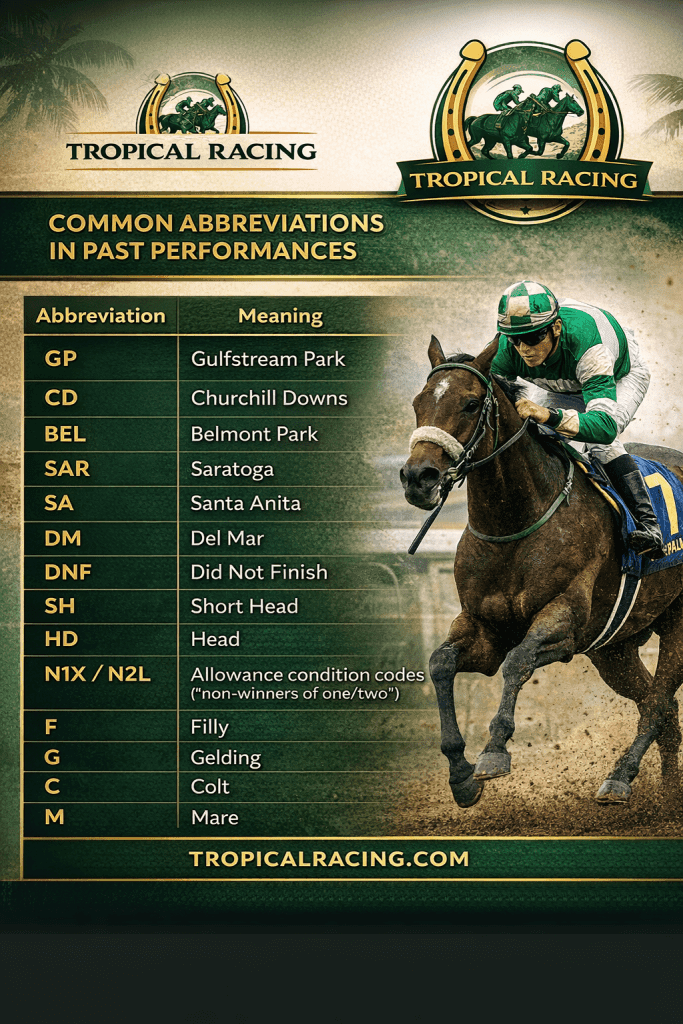
When you delve into the world of horse racing, you’ll encounter a variety of terms that might seem obscure at first glance. One such term that frequently pops up is “gelding.” But what exactly does “gelded” mean in the context of horse racing, and why is it so significant? Simply put, a gelding is a male horse that has been castrated. This procedure is common in the equine industry, especially for horses not intended for breeding. In horse racing, geldings often perform exceptionally well, and understanding their role is key to appreciating the sport.
The Significance of Gelding in Horse Racing
The decision to geld a horse, or understanding why a particular racehorse is a gelding, is tied to several factors that influence performance, temperament, and even race eligibility. Historically, castration has been practiced for centuries, not just for horses but for many male animals. For centuries, this practice has been employed for a multitude of reasons, ranging from managing behavior to enhancing suitability for work or sport.
Why Geld a Racehorse?
There are several compelling reasons why a male horse might be gelded for a career in racing:
- Temperament and Trainability: Stallions (uncastrated males) can often be more challenging to handle due to their higher testosterone levels. They can be more excitable, aggressive, and may exhibit behaviors like territoriality and dominance. Gelding tends to mellow their temperament, making them more focused, calm, and easier to train. This improved disposition is crucial for racehorses that need to concentrate during training and on race day. This is why many professional trainers prefer working with geldings, as their more tractable nature allows for more consistent and effective training regimens.
- Performance Enhancement: While it might seem counterintuitive, gelding can sometimes lead to improved performance. By removing the primary source of testosterone, geldings tend to direct more of their energy towards athletic activities rather than reproductive or aggressive behaviors. This can translate to greater stamina, focus, and a more sustained effort during a race. While some exceptional stallions do excel on the track, a significant number of top-tier racehorses are geldings, a testament to the performance benefits observed after castration.
- Reduced Risk of Injury: The intense competition and physical demands of racing mean that injuries are a constant concern. Stallions, due to their more aggressive and competitive nature, may be more prone to injuries sustained during training or racing through altercations with other horses. Geldings, being generally calmer, might be less likely to engage in behaviors that could lead to such injuries.
- Race Eligibility and Competition: In many racing jurisdictions, specific race categories are designated for geldings, or stallions may be excluded from certain races. This allows geldings to compete on a more level playing field, free from the potential dominance of intact stallions. This separation ensures fairer competition and provides more opportunities for geldings to achieve success. For instance, some prestigious races are specifically for geldings, offering them a prime platform to showcase their abilities.
What About the Price of a Racing Horse?
The price of a racing horse can vary dramatically, influenced by numerous factors, including pedigree, conformation, racing record, and potential. While a top-tier stallion prospect might command a higher price due to breeding potential, well-bred and high-performing geldings are also extremely valuable assets in the racing world. The market often reflects the proven ability and trainability of a gelding, making them a sound investment for owners and trainers. For example, a gelding with a strong race record and a promising future can be just as, if not more, expensive than many stallions.
The Gelding Process and Recovery
The process of gelding is a standard surgical procedure performed by a veterinarian. It typically involves the removal of the testes, either through an open or closed castration method, often under anesthesia. Recovery times can vary, but most horses are back to light exercise within a few weeks, with full return to training usually occurring within a couple of months. It’s essential that the procedure is carried out by a qualified professional to minimize risks and ensure a smooth recovery. The post-operative care is critical to prevent infection and complications, and owners must follow the veterinarian’s instructions closely.
Understanding Gelding vs. Stallion vs. Mare
To fully grasp the term “gelding,” it’s helpful to distinguish it from other terms related to a horse’s sex and reproductive status:
- Stallion: An intact (uncastrated) adult male horse. Stallions are primarily kept for breeding and are often the sires of future generations of racehorses. They typically possess a more spirited and dominant temperament.
- Mare: An adult female horse. Mares can also be highly successful racehorses, and like geldings, they often have a more even temperament compared to stallions.
- Foal: A young horse of either sex, under one year old.
- Colt: A young male horse, typically under four years old and uncastrated.
- Filly: A young female horse, typically under four years old.
The Role of Gelding in a Horse’s Life Beyond Racing
While this discussion focuses on horse racing, it’s worth noting that gelding is also common for horses used in other disciplines, such as pleasure riding, dressage, show jumping, and eventing. The calmer temperament and enhanced trainability that come with gelding make these horses more suitable as companions and partners for a wider range of riders, from beginners to experienced equestrians. This broader applicability underscores the practicality and widespread acceptance of the practice in the equine world.
Frequently Asked Questions About Gelded Horses in Racing
Q1: Are geldings always better racehorses than stallions?
A: Not necessarily. While many top racehorses are geldings due to their temperament and focus, there have been numerous exceptional stallions who have achieved immense success on the track. It often comes down to the individual horse’s genetics, training, and temperament.
Q2: Can a gelding still have a competitive spirit?
A: Absolutely. Gelding affects hormones but not the inherent drive or athleticism of a horse. Many geldings are fiercely competitive and possess a strong will to win, often channeling their energy more effectively than stallions.
Q3: At what age are horses typically gelded for racing?
A: Horses can be gelded at various ages, but for racing purposes, it’s often done when they are young, typically between one and two years old, to allow them to benefit from the temperament changes during their formative training years. However, older horses are sometimes gelded if they develop behavioral issues.
Q4: Does gelding affect a horse’s physical growth?
A: Gelding can influence physical development by removing testosterone, which plays a role in bone and muscle development. This can sometimes result in a slightly different physique compared to stallions, potentially leading to longer legs or a less “masculine” appearance, but this does not inherently diminish their athletic capability.
Q5: How does the racing industry view geldings compared to stallions?
A: Geldings are highly respected and are a vital part of the racing industry. They are often favored for their reliability and consistency, and specific races are often designated for them, ensuring fair competition. Their success on the track is undeniable.
Conclusion: The Versatile Gelding in Horse Racing
In the dynamic world of horse racing, understanding the terminology is crucial. A gelded horse, or gelding, is a male horse that has been castrated, a practice that brings about significant changes in temperament, trainability, and often, performance. These changes make geldings highly valued competitors on the racetrack, prized for their focus, consistency, and ability to perform at their peak. While stallions hold their own allure, particularly for breeding, the gelding has carved out its own esteemed niche. Whether you’re a seasoned bettor or a newcomer to the sport, recognizing the significance of a gelding will undoubtedly enhance your appreciation for these incredible equine athletes and the strategic decisions that shape the thrilling outcomes of horse racing.
