
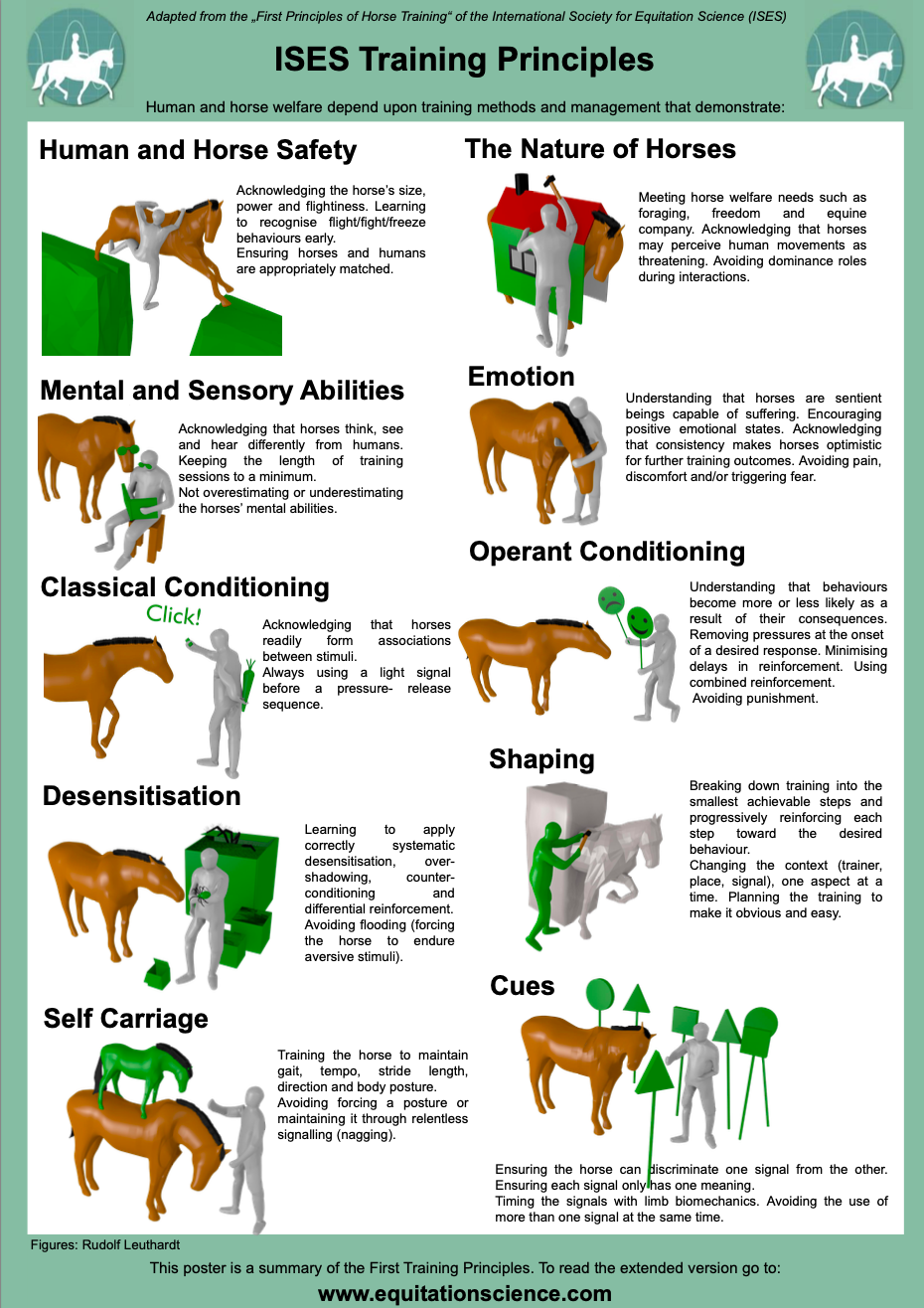
Let’s face it, horse training can sometimes feel like a serious business. But what if we told you that injecting a dose of humor could actually make you a more effective trainer and forge a stronger bond with your equine partner? It sounds a little counterintuitive, right? After all, we’re dealing with powerful animals that require respect and clear communication. However, leaning into funny horse training isn’t about turning your arena into a circus; it’s about using lightheartedness, positive reinforcement, and a playful approach to build trust and enhance learning. Think of it as adding a sprinkle of joy to your training sessions, making them more enjoyable for both you and your horse.
Why Embrace Humor in Horse Training?
You might be wondering, “How can a horse understand a joke?” Well, they can’t, not in the human sense. But they are incredibly attuned to our emotions and energy. When we approach training with a tense, frustrated demeanor, horses pick up on that stress, and it can hinder their willingness to learn and cooperate. Conversely, a trainer who is relaxed, positive, and even a little bit playful sends different signals.
- Reduces Stress and Anxiety: Horses are sensitive creatures. A stressful training environment can lead to fear, resistance, and a breakdown in communication. Humor, in its purest form of positivity and lightheartedness, can diffuse tension. When you’re not taking yourself too seriously, your horse is less likely to feel pressured. This creates a safer space for them to try new things without the fear of making a mistake.
- Builds Trust and Rapport: A shared laugh (even if it’s one-sided from the human perspective) or a moment of playful interaction can significantly strengthen the bond between horse and rider. It shows your horse that you are a reliable, kind, and approachable partner. This trust is the foundation of any successful training program. It’s like when you have a friend who can always make you laugh when you’re feeling down; you naturally gravitate towards them.
- Enhances Learning and Retention: Positive experiences are memorable experiences. When training sessions are enjoyable, horses are more engaged and more likely to retain what they’ve learned. Think about your own learning experiences – are you more likely to remember something from a dry lecture or an engaging, interactive session? The same principle applies to horses. Playfulness can act as a reward in itself, motivating them to participate actively.
- Improves Problem-Solving: Sometimes, training hits a plateau. A horse might be struggling with a particular exercise, or you might be facing a behavioral challenge. Instead of resorting to frustration, a humorous, problem-solving approach can open up new avenues. Maybe you need to change your cue, try a different reward, or simply take a break and approach it from a fresh, lighter angle. This adaptability is key to overcoming obstacles.
Practical Ways to Inject Humor into Your Training
So, how do you actually incorporate this into your routine without making a mockery of the process? It’s all about subtle shifts in attitude and approach.
1. Positive Reinforcement with a Flourish
Positive reinforcement is a cornerstone of modern, ethical horse training. This means rewarding desired behaviors. But you can elevate this!
- Enthusiastic Praise: Don’t just offer a pat; give a genuinely enthusiastic “Good boy!” or “Yes, you got it!” accompanied by a bright smile and a relaxed demeanor. Your tone of voice and body language convey more than just the words.
- Playful Rewards: Beyond treats, consider a brief, gentle game of chase-the-carrot or a playful scratch in their favorite spot after a successful maneuver. These small, unexpected moments of fun can be incredibly rewarding.
- “Training Games”: Invent simple games. For instance, a “follow the leader” game where you walk around the arena and ask for small movements, rewarding success. Or a “target practice” where they touch a target with their nose for a reward. These gamified approaches make the learning process feel less like work and more like play.
2. Lighten Up Your Body Language
Horses are masters of reading non-verbal cues. Your own emotional state heavily influences theirs.
- Smile! It sounds simple, but smiling projects confidence and positivity. If you’re tense, your facial muscles show it. Relaxing your face and smiling can send a signal of calm and reassurance.
- Relax Your Posture: Avoid a stiff, rigid posture. Aim for a relaxed, balanced seat. If you’re hunched over or gripping tightly, your horse will feel it. Practice deep breathing exercises before and during your ride to release tension.
- Embrace Imperfection: You will make mistakes, and your horse will too. Instead of sighing heavily or tensing up when something goes wrong, try a good-natured chuckle. “Oops, my bad!” or “We’ll get that next time!” can go a long way. This acceptance of imperfection is crucial for a stress-free environment.
3. The Power of Play and Exploration
Introducing elements of play can be incredibly beneficial, especially for younger or less experienced horses, but it’s valuable for all.
- Introduce Novelty: Take your horse to new environments – a different pasture, a quiet trail, or even just a new corner of the arena. Exploring together, without the pressure of a specific training goal, can be a bonding experience.
- Object Play: Some horses enjoy interacting with safe, large objects like balls or cones. Supervised play can be a fun way to build confidence and coordination. Always ensure the objects are horse-safe and introduced gradually.
- Clicker Training Fun: If you use clicker training, you can incorporate fun, non-standard cues. For example, clicking and rewarding for a head toss, a pawing motion, or even just looking at a specific object. This expands their understanding of communication and makes learning a delightful exploration.
4. Use Analogies and Stories (For Yourself and Others)
While your horse won’t understand your human stories, sharing funny anecdotes about training mishaps or successes with fellow equestrians can reinforce the positive aspects of learning. It also helps you process challenges and maintain perspective. Think of the hilarious stories shared in horse trainer memes. These shared experiences remind us that we’re not alone in our struggles and that humor is a great coping mechanism.
When Humor Might NOT Be Appropriate
It’s vital to maintain boundaries and understand when a lighthearted approach needs to take a backseat.
- Safety First: Never let humor compromise safety. If your horse is exhibiting dangerous behavior, or if the situation inherently carries risk (like jumping a significant obstacle for the first time), your primary focus must be on control, clear aids, and safety protocols, not on making jokes.
- Serious Behavioral Issues: If your horse has deep-seated fear, aggression, or anxiety issues, professional help from a qualified trainer or behaviorist is paramount. While a positive approach is always key, these situations often require structured, targeted interventions that might not be suitable for a “humorous” approach alone.
- Disrespectful Behavior: Humor should never be a cover for a horse being disrespectful or pushy. If your horse is testing boundaries or being disobedient in a way that challenges your leadership, you need to address it clearly and consistently. The goal is to be a firm but fair leader, not a pushover.
Conclusion: Training with a Smile
Incorporating funny horse training is not about turning your serious pursuit into a joke. It’s about recognizing the incredible power of a positive, lighthearted attitude in fostering a stronger, more trusting relationship with your horse. By reducing stress, building rapport, enhancing learning, and approaching challenges with a sense of playfulness, you can make training more effective and infinitely more enjoyable. So, loosen the reins (metaphorically, of course!), let a smile cross your face, and discover the joy and effectiveness that a little humor can bring to your journey with your equine partner. Remember, a happy horse is a trainable horse, and a trainer who can laugh at themselves is often the most successful. Embrace the fun, and watch your partnership flourish.
