
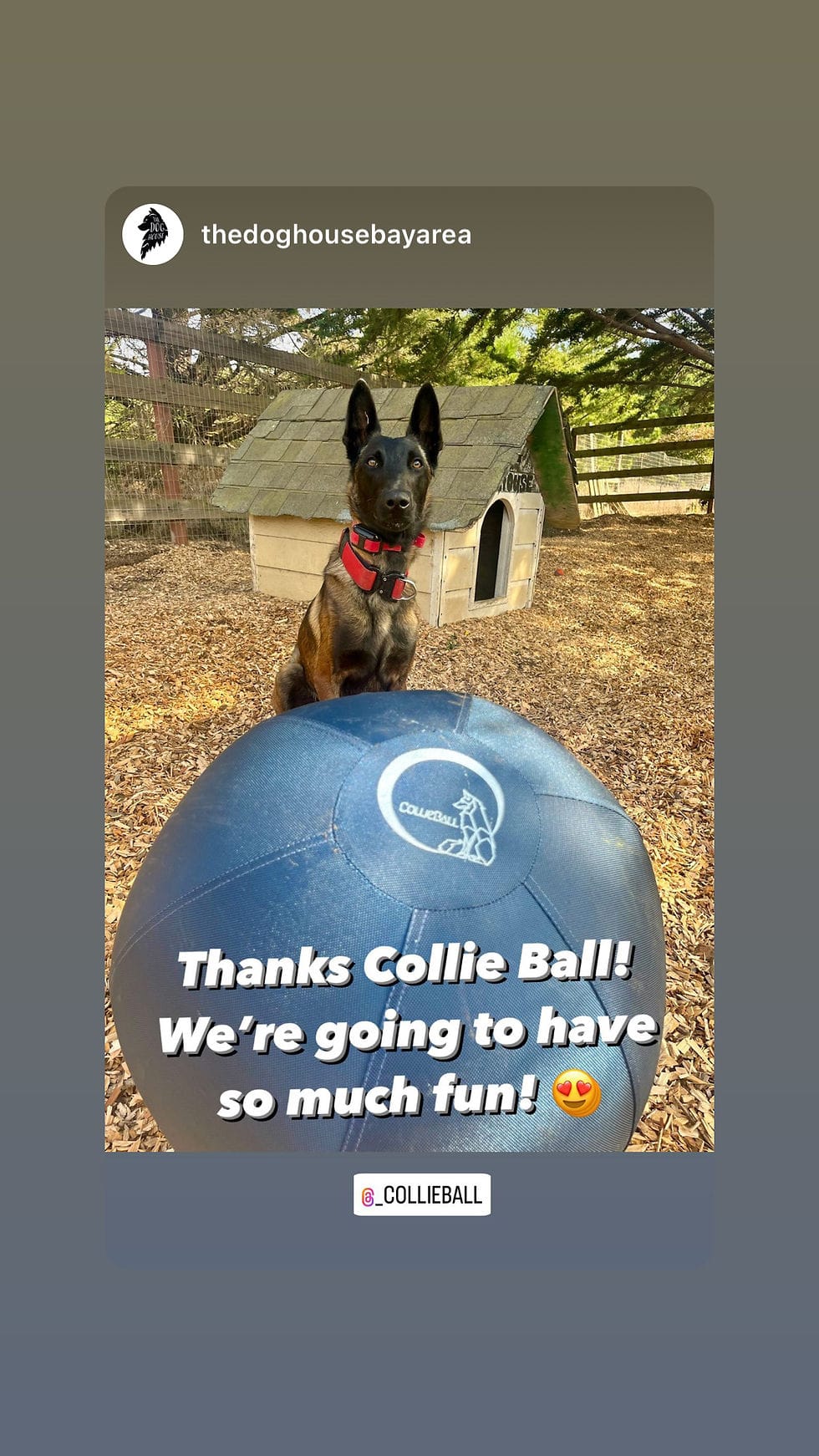
Are you looking for ways to make training your canine companion more engaging and effective? Discovering fun training games for dogs can transform your daily routines from a chore into a joyous bonding experience. It’s not just about teaching commands; it’s about building a stronger relationship, enhancing your dog’s cognitive abilities, and ensuring they are well-behaved and happy. Let’s dive into how play can be your secret weapon in dog training.
The Power of Play in Dog Training
Play is a dog’s natural language and a primary way they learn about the world and their place in it. Integrating fun training games for dogs leverages this innate drive, making them more receptive to learning and more enthusiastic about participating. This approach moves beyond traditional, repetitive drills, which can sometimes lead to boredom or disengagement.
Why Games Work Wonders for Dogs:
- Enhanced Engagement: Games naturally capture a dog’s attention and keep them motivated.
- Bonding: Shared activities strengthen the human-animal bond, fostering trust and mutual respect.
- Cognitive Stimulation: Many games require problem-solving, decision-making, and memory recall, keeping your dog’s mind sharp.
- Behavioral Improvement: Games can help channel excess energy, reduce anxiety, and address behavioral issues like destructiveness or excessive barking.
- Skill Reinforcement: Games offer a practical, enjoyable context for practicing obedience commands and learning new tricks.
Top Fun Training Games for Dogs
Here’s a curated list of games that are not only entertaining but also incredibly effective for training purposes. These games are adaptable to various breeds, ages, and skill levels.
1. The Shell Game (Three Cup Monte)
This classic game is fantastic for developing your dog’s focus and scent-detection skills.
How to Play:
- Get three opaque cups or containers.
- Show your dog a treat and let them sniff it.
- Place the treat under one cup while your dog watches.
- Shuffle the cups around. You can make this as simple or complex as you like.
- Encourage your dog to indicate which cup the treat is under. They might paw at it, nudge it with their nose, or look intently.
- When they correctly identify the cup, lift it and let them have the treat.
- If they choose incorrectly, simply show them where the treat is without reward, and try again.
Training Focus: Scent discrimination, focus, impulse control.
2. Hide-and-Seek
A quintessential game that taps into your dog’s natural inclination to search and their love for finding you.
How to Play:
- Have your dog stay in one room or area.
- Go to another room and hide. You can make it easy at first, then gradually increase the difficulty.
- Call your dog’s name in an excited tone.
- When they find you, offer enthusiastic praise and a high-value treat.
- As your dog gets better, you can hide in more challenging spots or even have another family member hold your dog while you hide.
Training Focus: Recall, independence, problem-solving, bonding. This is one of the most rewarding fun training games for dogs for building a strong recall.
3. Fetch with a Twist: The Name Game
Elevate a standard game of fetch by teaching your dog the names of their toys.
How to Play:
- Start with two distinct toys.
- Show your dog one toy, say its name clearly (e.g., “Ball!”), and then throw it.
- When your dog brings it back, praise them.
- Repeat this process, focusing on one toy name at a time.
- Once they reliably fetch the first toy by name, introduce the second toy and its name (e.g., “Rope!”).
- Place both toys a short distance away. Ask your dog to “Get the Ball!” If they bring the correct toy, reward them. If they bring the wrong one, don’t reward, and try again, perhaps with a clearer cue.
- Gradually increase the number of toys and the complexity of the commands.
Training Focus: Object recognition, vocabulary building, impulse control, fetch. This game is excellent for enhancing cognitive function through fun training games for dogs.
4. Tug-of-War (with Rules!)
Tug-of-war can be a fantastic outlet for a dog’s predatory drive and a great way to engage them physically and mentally, but it requires structure.
How to Play:
- Use a designated tug toy.
- Start playing, allowing your dog to pull and growl.
- Crucially, you must control the game. Teach your dog a “drop it” or “give” command.
- Periodically, say “Drop it!” and hold a treat near their nose. When they release the toy to take the treat, praise them.
- You can also initiate a “game over” command. If your dog gets too rough, too excited, or doesn’t drop the toy, the game immediately stops. This teaches them that good behavior keeps the game going.
- Never let your dog win every time. You should be able to win some rounds by having them drop the toy.
Training Focus: Impulse control, obedience (“drop it”), bite inhibition, physical exercise. Remember, controlled tugging is key when incorporating it into fun training games for dogs.
5. Nose Work Games
These games are perfect for tapping into your dog’s most powerful sense: their nose!
DIY Snuffle Mat:
- Hide kibble or small treats within a snuffle mat or even a DIY one made from fleece strips. Encourage your dog to use their nose to find the hidden rewards.
Treat Ball:
- Use a treat-dispensing ball. Fill it with kibble and let your dog figure out how to roll and manipulate it to get the food out.
Hide the Treat:
- Start simple: let your dog see you hide a treat under a blanket or towel. Ask them to “Find it!”
- Progress to hiding treats around a room while your dog is in another.
- Eventually, you can hide treats in the garden or on walks.
Training Focus: Scent work, problem-solving, focus, natural instincts. These activities are foundational to many fun training games for dogs that use scent.
6. Musical Sit (Musical Statues)
A fun, high-energy game that reinforces the “sit” command.
How to Play:
- Play music and have your dog walk, dance, or follow you around.
- When the music stops, immediately say “Sit!”
- Reward your dog with praise and a treat for sitting quickly.
- If your dog doesn’t sit, they are “out” for that round (don’t reward).
- Resume the music and play again.
Training Focus: “Sit” command, impulse control, listening skills. This is a great way to practice obedience in a lively setting with fun training games for dogs.
7. The “Find It” Treasure Hunt
This is a more advanced version of hiding treats, encouraging your dog to use their nose and problem-solving skills extensively.
How to Play:
- Start with your dog in a “stay” or secured in another room.
- Hide several treats or favorite small toys around a room or your house. Make some easy to find, and some more challenging.
- Release your dog and say “Find it!”
- Encourage them as they search. When they find a reward, offer verbal praise.
- For an added challenge, you can start associating specific toys with their names during this game.
Training Focus: Scent work, problem-solving, independence, recall (if you call them back to you after finding something). This game is a sophisticated example of fun training games for dogs that builds confidence.
Tips for Successful Training Games
To get the most out of these fun training games for dogs, keep these tips in mind:
- Keep Sessions Short and Sweet: Aim for 5-10 minute training sessions, especially when starting. Dogs have short attention spans, and ending on a positive note is crucial.
- Use High-Value Treats: Employ rewards your dog absolutely loves – small pieces of cheese, cooked chicken, or special training treats.
- Be Patient and Positive: Training should be enjoyable for both of you. Avoid punishment and focus on positive reinforcement. Celebrate successes!
- Know Your Dog: Tailor games to your dog’s personality, energy level, and physical capabilities. A senior dog might enjoy a calmer scent game, while a young, energetic dog might love a vigorous game of fetch.
- Fade Treats Gradually: As your dog understands the game or command, start rewarding intermittently or with praise and petting. This makes the behavior more robust.
- Consistency is Key: Practice regularly. Even short, frequent sessions are more effective than long, infrequent ones.
- Incorporate into Daily Life: Look for opportunities to use commands learned in games during everyday interactions. For example, ask for a “sit” before giving a meal or before crossing the street.
Making Training a Lifestyle with Dog Care Story
At Dog Care Story, we believe that training is an ongoing journey, not a destination. Integrating fun training games for dogs into your routine is a powerful way to deepen your connection, ensure your dog’s well-being, and foster a harmonious life together. By making training playful and rewarding, you’re not just teaching commands; you’re building a foundation of trust, communication, and lifelong companionship. Explore more resources and tips on our website to continue your adventure in creating wonderful stories with your canine friends.
