
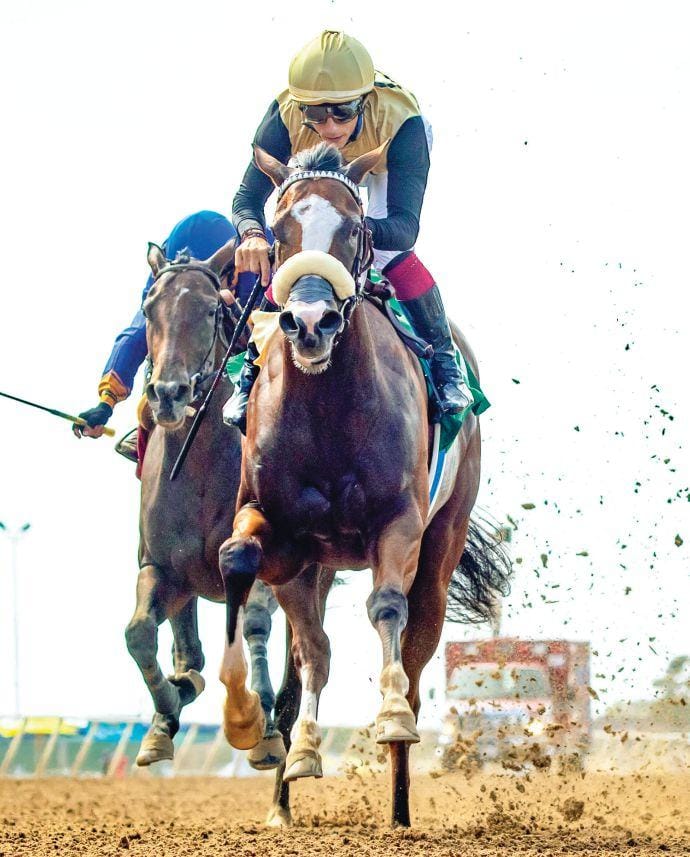
There’s a certain magic to the air in California’s Central Valley every October. The scent of popcorn and barbecue mixes with the faint, earthy smell of livestock, and the cheerful sounds of the midway create a familiar soundtrack. But for many, the heart of The Big Fresno Fair beats to a different rhythm: the thunderous sound of hooves pounding down the homestretch. The Fresno Fair Horse Racing experience isn’t just an event; it’s a living, breathing piece of San Joaquin Valley history, offering a unique blend of community spirit and high-stakes excitement.
For over a century, generations of families have gathered at the Brian I. Tatarian Grandstand to witness the raw power and grace of thoroughbred racing. Whether you’re a seasoned handicapper studying the Daily Racing Form or a first-time visitor simply looking for a fun way to spend the afternoon, the races offer an unforgettable spectacle. It’s a place where agricultural roots and sporting tradition intertwine, creating one of the most beloved attractions of the annual fair.
The Rich History of Racing in Fresno
The story of horse racing at the Fresno Fair is as old as the fair itself. The very first fair in 1884 was built around a five-day race meet, where local farm owners would pit their best horses against one another in friendly, yet fierce, competition. It was an immediate success, and just four years later, the first grandstand was built to accommodate the growing crowds.
The track has seen its share of changes. In the early 1900s, the rise of the automobile temporarily saw horse racing take a backseat to auto and motorcycle events. A legislative ban on pari-mutuel betting also halted the sport for a time. However, its enduring appeal brought it back in 1935. After a pause during World War II when the grounds were used by the military, live racing returned in 1948, stronger than ever. The current concrete grandstand, a familiar landmark for fairgoers, was constructed in 1938 and has been expanded and upgraded over the decades, a testament to the sport’s lasting importance to the region. Today, it stands as one of the most storied tracks on the Northern California Fair Circuit.
What to Expect on Race Day
Attending the Fresno Fair horse racing is an experience for all the senses. The day begins with a buzz of anticipation. Spectators find their seats, families spread out on the grass, and the serious betters line up to place their wagers. Before each race, the horses are paraded in the paddock, giving you an up-close look at these magnificent athletes. You can see their polished coats, toned muscles, and the focused demeanor of the jockeys in their vibrant silks.
“There’s an energy here you won’t find anywhere else,” says Dr. Elena Ramirez, a fictional equine historian. “It’s a direct link to the valley’s past. You see multi-generational families sharing tips, celebrating wins, and groaning at close losses. It’s pure, unscripted drama in every single race.”
As the bugle sounds the call to the post, the horses make their way onto the track. The crowd’s murmur grows louder as they load into the starting gate. Then, a moment of silence, followed by the clang of the bell and the roar of the crowd as they break away. For the next few minutes, nothing else matters but the race unfolding on the one-mile track.
Understanding the Seating Options
One of the best things about Fresno Fair horse racing is its accessibility. There’s a viewing option for every budget and style.
- Ground Floor Admission: This area is completely free with your paid Fair admission. It offers an exciting, close-up view of the action right next to the track. It’s standing room, but you can’t get closer to the thundering hooves.
- Box Seats: For a more comfortable experience, you can purchase reserved box seats in the grandstand for a modest price, typically around $7 per seat. These must be purchased as a whole box, which come in configurations of two to six seats, making them perfect for small groups or families.
- Premium Experiences: For those looking to elevate their day, the Fair offers upscale options like the Luxury Deck and the Turf Club. These areas provide table service, prime views, and a more exclusive atmosphere, with table prices varying by day.
Post times are generally around 1:45 p.m. on weekdays and 12:45 p.m. on Saturdays and Sundays during the fair’s run in October. Be sure to check the official Big Fresno Fair website for the final schedule and any “dark days” when there is no live racing.
A Beginner’s Guide to Betting
For many newcomers, the idea of betting on horses can be intimidating, but it doesn’t have to be. It’s a fun way to engage with the races, and you don’t have to wager a lot of money to play.
Basic Types of Bets
The simplest way to start is with the “straight” wagers:
- Win: You’re betting on your horse to finish in first place.
- Place: Your horse must finish in first or second place. The payout is less than a win bet, but you have a better chance of cashing your ticket.
- Show: Your horse must finish first, second, or third. This offers the highest probability of winning, but with the smallest payout.
How to Place a Bet
When you go to a betting window, you’ll need to state a few key things to the teller. Just follow this simple formula:
- Name of the track: Start with “Fresno.”
- Race number: “Race 3.”
- Amount of your bet: “Two dollars.”
- Type of bet: “To win.”
- Horse’s number: “On number 5.”
So, you’d say: “Fresno, Race 3, two dollars to win on number 5.”
Read your ticket to make sure it’s correct before you walk away from the window. Then, all that’s left to do is cheer your horse on! Remember to bet with your head, not over it. Set a small budget for the day and enjoy the thrill of the sport.
Key Races and Events
While every race offers excitement, the Fresno Fair is also home to key stakes races that draw top talent. Keep an eye on the schedule for events like the Harris Farms Stakes and the Bulldog Stakes. These races feature higher purses and some of the best horses and jockeys on the circuit, making for an especially thrilling day at the track.
The Fresno Fair horse racing tradition is a cornerstone of the Central Valley’s cultural identity. It’s a celebration of speed, strength, and the enduring bond between humans and horses. Whether you’re there for the deep-fried food, the carnival rides, or the concerts, make sure to carve out an afternoon to experience the pulse-pounding excitement at the grandstand. It’s a tradition worth celebrating and a memory you won’t soon forget.
Frequently Asked Questions (FAQ)
What time do the horse races start at the Fresno Fair?
Typically, post time is 1:45 p.m. on weekdays and 12:45 p.m. on weekends. However, you should always check the official Big Fresno Fair website for the most current schedule for the year you are attending.
Do I have to pay to watch the horse races?
General admission to the ground-floor, trackside viewing area is free with your paid admission to The Big Fresno Fair. If you want a reserved seat in the grandstand or access to premium areas like the Turf Club, you will need to purchase an additional ticket.
Can I bet on the horses at the Fair?
Yes, pari-mutuel wagering is a major part of the experience. There are betting windows conveniently located throughout the grandstand area where you can place your bets. You must be of legal gambling age to participate.
Is Fresno Fair horse racing family-friendly?
Absolutely. The races are a beloved family tradition for many. The open-air grandstand and the general excitement make it an engaging event for all ages, though only adults can place wagers.
What kind of horse racing is at the Fresno Fair?
The Fair primarily features thoroughbred racing. In the past, it has also hosted races for quarter horses, Arabians, appaloosas, and even mules, offering a great variety of equine sport.
