
The bond between a human and a horse is forged through communication, trust, and understanding. For centuries, this knowledge was passed down through generations of hands-on mentorship. Today, the digital age has opened the stable doors to everyone, offering a wealth of information right at our fingertips. If you’ve ever dreamed of deepening your connection with your equine partner, Free Online Horse Training Courses are the perfect place to start your journey, providing an accessible gateway to the world of horsemanship without the financial commitment.
This shift towards digital learning allows aspiring equestrians to explore various methodologies from the comfort of their own homes. Whether you’re a new horse owner or simply an enthusiast eager to learn, these resources can build a solid foundation of knowledge. To get a broad overview of what’s available, exploring various horse training resources can give you a lay of the land before you dive into specific programs. The key is to approach these opportunities with an open mind and a commitment to responsible learning.
What Can You Realistically Learn for Free?
It’s important to set clear expectations when exploring free training materials. While you won’t become a master trainer overnight, you can gain a significant amount of foundational knowledge. Free courses are exceptional for introducing core concepts and building confidence in both the handler and the horse.
Most free programs focus on the essentials that every horse person should know. These often include:
- Understanding Equine Psychology: Learn why horses behave the way they do. This covers their natural instincts as prey animals, how they perceive the world, and the nuances of their body language. Understanding this is the first step to building a respectful partnership.
- Essential Groundwork: This is where all good training begins. You can learn fundamental exercises like leading properly, lunging, yielding to pressure, and establishing personal space. These aren’t just obedience tasks; they are conversations that build the foundation for everything you’ll do under saddle.
- Safety and Handling: Learn the safest ways to approach, halter, groom, and handle a horse in various situations. These practical skills are non-negotiable for the well-being of both you and your animal.
- Introduction to Different Philosophies: The horse world is filled with various training philosophies, from natural horsemanship to classical dressage principles. Free courses often provide a glimpse into these different schools of thought, allowing you to discover what resonates with you and your horse.
Think of these free resources as your introductory library. They provide the chapters on theory, safety, and basic communication. The practical application, however, will always be up to you.
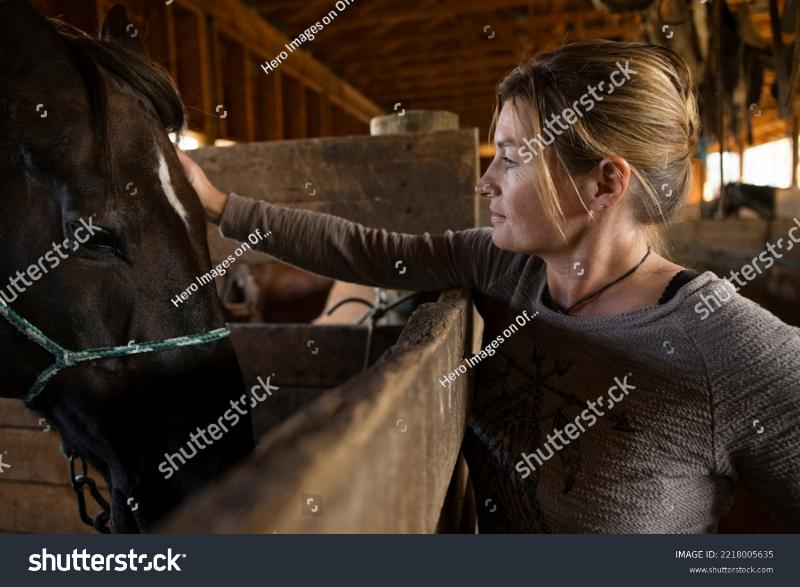 A woman in a paddock watches a video on a laptop while her horse stands calmly beside her, illustrating the concept of free online horse training courses.
Where to Find Quality Free Horse Training Courses
The internet is a vast space, and not all free content is created equal. To ensure you’re learning from credible sources, it’s wise to know where to look. Quality instruction is paramount, as incorrect information can be confusing for your horse and potentially unsafe.
Reputable Trainers’ Websites
Many professional trainers offer free introductory courses or video series as a way to share their philosophy and attract new clients. These are often high-quality productions that provide immense value. An expert [online horse trainer](https://dogcarestory.com/online-horse-trainer/) often provides a mini-course or a free webinar that can teach you a specific skill, such as trailer loading or improving your horse’s confidence on the trail. Signing up for their newsletters is a great way to get notified of these free offerings.
YouTube University
YouTube has become an incredible hub for equestrian knowledge. Channels dedicated to horsemanship offer thousands of hours of free content, from quick tips to full-length tutorials. You can find detailed videos on specific techniques, such as the beautiful art of liberty work. In fact, searching for [liberty horse training youtube](https://dogcarestory.com/liberty-horse-training-youtube/) will yield countless examples of the profound connection that can be achieved without any tack at all. Look for channels with a large, engaged following and clear, consistent messaging.
Non-Profit and Breed Organizations
Organizations like the Certified Horsemanship Association (CHA) or specific breed registries sometimes offer free educational materials to promote good welfare and horsemanship. These resources are typically well-vetted, safe, and focused on building a strong, ethical foundation in your equestrian journey.
Maximizing Your Learning Experience
Simply watching videos isn’t enough; true learning comes from application and reflection. To get the most out of free online horse training courses, you need a strategy.
First, take notes. Treat it like a real course. Write down key concepts, step-by-step instructions, and questions that arise. This will help you retain the information and refer back to it later when you’re with your horse.
Second, start small. Don’t try to teach your horse five new things in one session. Pick one simple exercise from a video, watch it several times, and then try it with your horse in a safe, enclosed area. Focus on one building block at a time. The principles of progressive training are universal, applying to everything from basic groundwork to the specialized conditioning required for sports like horse racing at presque isle downs.
Third, record yourself. This can be a game-changer. Set up your phone to record your training sessions. Later, watch the footage and compare it to the instructor’s video. This allows you to see your own body language, timing, and your horse’s reactions from an objective perspective.
Dr. Sarah Miller, an equine behavior specialist, states, “The biggest mistake learners make is rushing the process. Horses learn best through clear, consistent, and patient instruction. A five-minute session where the horse successfully understands one small cue is far more valuable than a frustrating hour-long lesson.”
The Limits of Free Training: When to Invest
Free courses are a fantastic starting point, but they have their limitations. The primary drawback is the lack of personalized feedback. An online video can’t see what you’re doing and tell you to raise your hand an inch or release the pressure a second sooner. Horsemanship is about feel and timing, which are incredibly difficult to master without expert guidance.
Furthermore, free content usually covers introductory topics. For more advanced skills, specialized disciplines, or to troubleshoot complex behavioral issues, you will likely need to invest in a paid course or in-person lessons. While the core ideas may be the same, a paid structure offers a more comprehensive, step-by-step curriculum and often includes access to a community or the instructor for questions. The journey is similar in other high-skill areas, such as understanding the complexities behind events like [presque isle horse racing](https://dogcarestory.com/presque-isle-horse-racing/), where foundational knowledge is just the first step.
Think of free courses as your high school diploma and paid programs as your college degree. Both are valuable, but they serve different purposes in your educational journey.
Frequently Asked Questions (FAQ)
Are free online horse training courses safe?
Generally, yes, as long as you stick to reputable sources that prioritize safety. Always work in a safe, enclosed environment, wear appropriate gear (like a helmet and sturdy boots), and never push yourself or your horse beyond your comfort levels. If an exercise feels unsafe, don’t do it.
Can I train my horse entirely with free resources?
For basic groundwork and foundational skills, it is possible to make significant progress using only free resources. However, for riding and more advanced training, it is highly recommended to seek professional, personalized feedback to ensure safety and proper technique.
How do I know if a free online trainer is credible?
Look for trainers who have verifiable credentials, positive testimonials, and a long-standing reputation. Their teaching philosophy should be clear, consistent, and always prioritize the horse’s welfare. Watch out for those who promise “quick fixes” or use harsh methods.
What equipment do I need to start?
Most foundational groundwork courses require very little equipment. At a minimum, you’ll need a properly fitting halter and a long lead rope (around 12-14 feet). As you advance, you might use things like cones or poles, but most exercises can be done with what you already have.
Will these courses work for any horse breed?
Yes! The principles of equine psychology and learning theory are universal. While different breeds may have different temperaments and energy levels, the foundational communication and trust-building exercises taught in these courses are applicable to all horses.
Your Equine Partnership Awaits
The journey of horsemanship is a lifelong pursuit, and there is always something new to learn. The availability of high-quality, free online horse training courses has made this education more accessible than ever before. These resources empower you to build a foundation of knowledge, improve your confidence, and foster a deeper, more respectful relationship with your horse.
By approaching them with a strategic mindset, practicing patience, and knowing when to seek personalized help, you can unlock a new level of understanding. So, take that first step, explore the wealth of information available, and begin building the partnership with your horse that you’ve always imagined. Your adventure in horsemanship is just a click away.
