
Horse racing is a sport with a long and storied history, captivating audiences with its speed, athleticism, and the powerful bond between horse and rider. For those fascinated by this equestrian pursuit, understanding the intricacies of the sport is key. This often begins with a desire to access information, and “Free Horse Racing Programs” are a popular entry point for newcomers and seasoned fans alike. These programs, often available online, offer a wealth of data that can enhance your understanding and appreciation of a race day.
What Exactly is a Horse Racing Program?
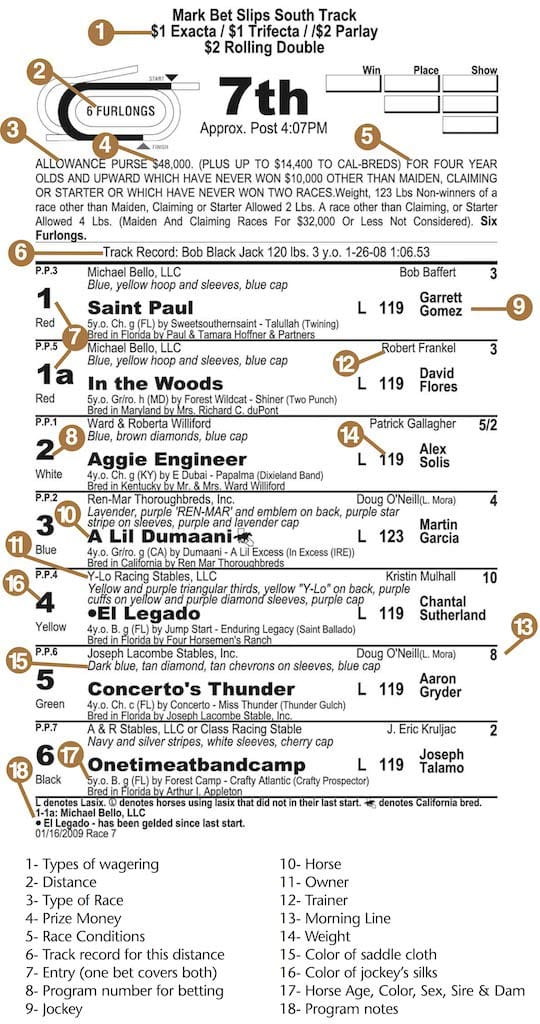
At its core, a horse racing program, sometimes called a “past performance” or “PP” in racing lingo, is a booklet or digital document containing detailed information about each horse entered in a particular race. It’s essentially a race day cheat sheet, designed to help handicappers – those who try to predict the outcome of a race – make informed decisions. These programs are indispensable tools for anyone looking to dive deeper into the sport, offering insights that go far beyond just the names of the horses and jockeys. They lay out the history, the conditions, and the potential of each contender.
Unpacking the Information Within a Program
When you get your hands on a horse racing program, whether it’s a physical copy at the track or a digital download, you’ll find a treasure trove of data. Understanding what each section means is crucial for effective handicapping.
Key Components of a Horse Racing Program:
- Horse’s Name: The most basic identifier, but sometimes a horse’s name can carry a certain prestige or history.
- Jockey and Trainer: The rider and the person responsible for the horse’s training are critical factors. A jockey’s skill and a trainer’s record can significantly influence a race’s outcome.
- Post Position: The starting gate number assigned to the horse. This can be a strategic advantage or disadvantage depending on the track and the horse’s running style.
- Weight: The total weight the horse will carry, including the jockey and equipment. This is a crucial handicapping factor, as heavier weights can impact a horse’s speed.
- Past Performance (PP) Lines: This is the heart of the program. Each line represents a previous race the horse competed in. It includes:
- Date and Track: When and where the race took place.
- Race Conditions: The type of race (maiden, allowance, stakes), distance, and surface (dirt, turf, synthetic).
- Speed Figures: Numerical ratings assigned by handicapping services that attempt to quantify a horse’s performance in each race. Higher numbers generally indicate better speed.
- Class: The level of competition in the previous race.
- Pace Figures: Ratings that indicate how fast the horse was running in the early, middle, and late stages of the race.
- Finishing Position: Where the horse placed at the end of the race.
- Earnings: The amount of money the horse won in that race.
- Pedigree: The horse’s lineage, detailing its sire (father) and dam (mother). Bloodlines can offer clues about a horse’s potential aptitude for certain distances or surfaces.
- Workout Information: Records of the horse’s recent training sessions, indicating its current fitness level.
Why Seek Out Free Horse Racing Programs?
The allure of “free horse racing programs” lies in accessibility and cost-effectiveness. For many, especially those new to the sport, purchasing traditional programs at the track can add up. Online platforms have democratized access to this vital information, allowing anyone with an internet connection to become a more informed bettor or simply a more knowledgeable fan. These free resources level the playing field, providing the same data that professional handicappers use.
Where to Find Free Horse Racing Programs
The digital age has made finding free resources easier than ever. Several reputable websites offer downloadable or viewable race day programs.
Popular Sources for Free Programs:
- Track Websites: Many individual race tracks offer free digital programs for their upcoming races on their official websites. This is often the most direct and up-to-date source.
- Horse Racing News and Data Sites: Various websites dedicated to horse racing news and data aggregate free programs from multiple tracks. These can be excellent resources for comparing information across different venues.
- Handicapping Services: While some advanced handicapping data comes at a cost, many services offer basic past performance information for free to entice users.
When searching for these resources, using terms like “free past performances,” “downloadable race cards,” or the specific track name followed by “free program” can yield excellent results. It’s worth exploring different sources to find the layout and depth of information that best suits your needs. Understanding the nuances of each program can feel like learning a new language, but the rewards are well worth the effort.
Making the Most of Your Free Program: Basic Handicapping Tips
Even with a free program in hand, knowing how to interpret the data is key. Here are a few fundamental handicapping concepts to get you started:
1. Analyze Recent Form:
- Look at the last 2-3 starts: A horse’s recent performance is often the best indicator of its current condition. Are its finishes improving? Is it running competitively?
- Speed Figures: Compare the speed figures from recent races. A horse that has consistently run high figures is generally a strong contender.
- Class Drops: If a horse is dropping in class (running in a race with a lower purse or lesser competition than its previous races), it might indicate a better chance of winning.
2. Consider the Conditions:
- Surface: Some horses perform better on dirt, while others excel on turf or synthetic surfaces. Check the program for a horse’s record on the type of surface being raced on.
- Distance: A horse that is a strong sprinter might struggle in a longer race, and vice versa. Look at how a horse has performed at the race’s specific distance.
3. Evaluate Jockey and Trainer Statistics:
- Win Percentage: Check the win percentages for both the jockey and the trainer, especially their stats at the current track or with similar types of horses. A jockey and trainer combination that is performing well statistically is a positive sign.
4. Pace Makes the Race:
- Early Speed: Does the horse have a tendency to go to the lead early? This can be an advantage on some tracks or in certain race scenarios.
- Closing Speed: Does the horse tend to come from behind and finish strongly? This running style can be effective if the pace is fast. Understanding the pace scenario of a race can help predict how it might unfold. This relates to understanding interval training horses programme as it influences how horses manage their energy.
Beyond the Program: Expanding Your Knowledge
While free horse racing programs are an excellent starting point, they are just one piece of the puzzle. To truly deepen your engagement with the sport, consider exploring other resources. Learning about the ethical considerations, such as is horse racing abusive, can provide a more holistic understanding. Additionally, resources discussing the behind-the-scenes aspects, like what’s shown in horse racing show netflix, can offer narrative context. Staying updated on horse racing scratches and changes is also vital for accurate handicapping on race day.
Conclusion: Your Journey into Horse Racing Begins Here
“Free horse racing programs” are invaluable tools for anyone looking to understand and enjoy the sport of horse racing more fully. They provide the data necessary to make informed predictions, appreciate the nuances of each race, and connect more deeply with the incredible athletes – both equine and human – involved. By utilizing these accessible resources and committing to continuous learning, you can unlock a richer and more rewarding experience in the thrilling world of horse racing.
