
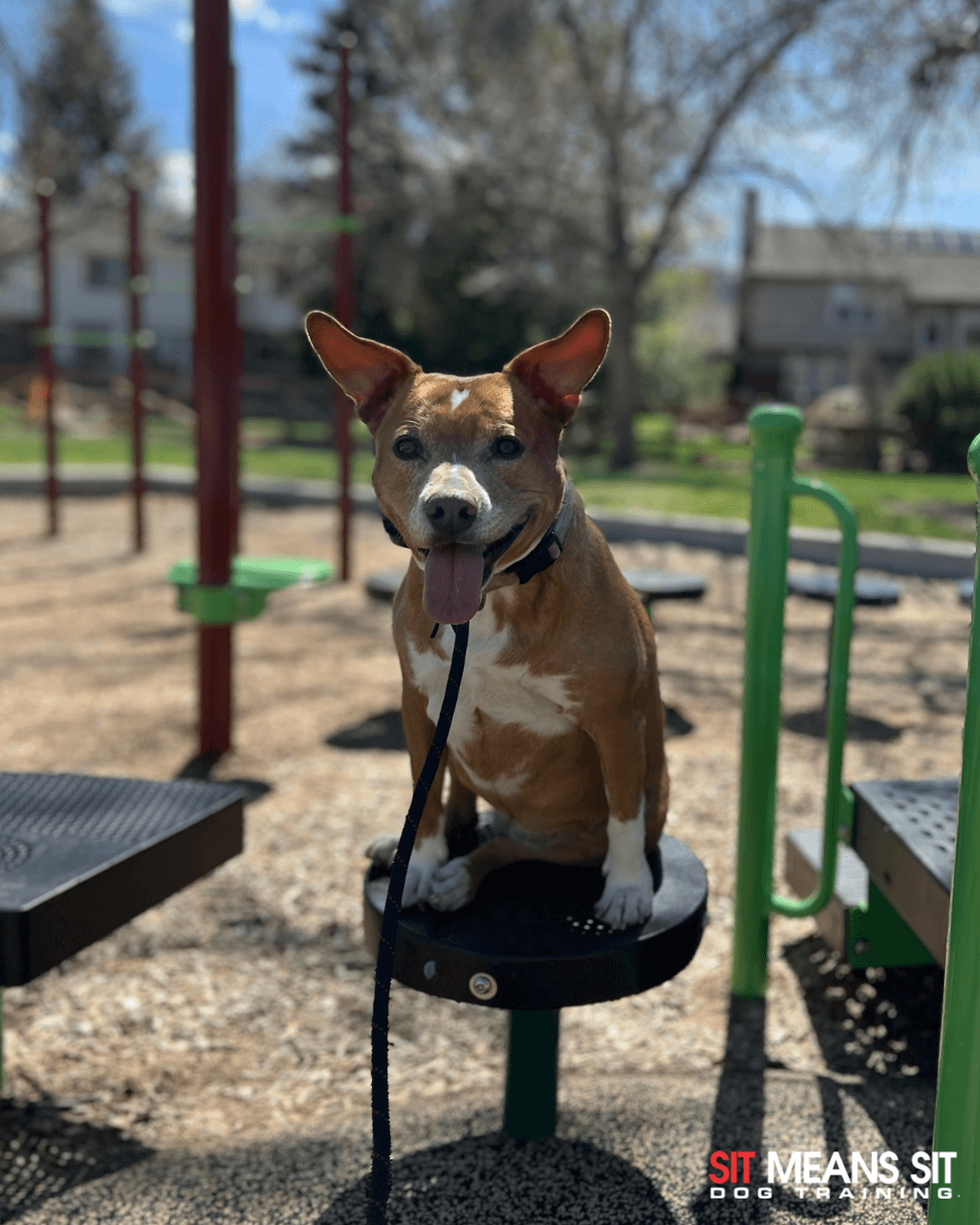
Bringing a new dog into your life is an incredibly rewarding experience, but it also comes with responsibilities. One of the most crucial aspects of responsible dog ownership is obedience training. A well-trained dog is a happier, safer, and more enjoyable companion. While professional training can be beneficial, it’s not always accessible to everyone. Fortunately, there are numerous avenues for Free Dog Obedience Training that can help you shape your canine companion’s behavior effectively. This guide will explore various methods and resources to help you embark on this journey without breaking the bank.
The Importance of Dog Obedience Training
Before diving into free resources, let’s quickly touch on why obedience training is so vital. It’s more than just teaching your dog to sit or stay; it’s about building a strong bond based on trust and clear communication.
- Safety: A dog that reliably responds to commands like “come” or “leave it” is less likely to get into dangerous situations.
- Socialization: Well-behaved dogs are more confident and comfortable around other people and animals, making social interactions smoother.
- Preventing Behavioral Issues: Many common problems like excessive barking, destructive chewing, or jumping can be mitigated or prevented with basic obedience.
- Strengthening the Bond: Training sessions are quality time, fostering a deeper connection between you and your dog.
Exploring Free Dog Obedience Training Resources
The digital age has opened up a world of information, and thankfully, much of it is free. Here’s where you can find excellent free dog obedience training resources:
1. Online Videos and Tutorials
Platforms like YouTube are treasure troves for dog training. Many experienced trainers and organizations share comprehensive video series covering everything from puppy basics to advanced techniques.
- Search Terms: Use specific phrases like “puppy training basics,” “how to stop dog jumping,” “basic dog commands,” or “free dog training videos.”
- Reputable Channels: Look for channels associated with well-known animal behaviorists, veterinary associations, or reputable rescue organizations. These often provide scientifically-backed and humane training methods.
- Consistency is Key: While you can access countless videos, the real magic happens when you consistently apply what you learn.
2. Free Online Courses and Webinars
Some organizations and websites offer free online courses or webinars on dog training. These can provide a more structured learning experience than scattered videos.
- Dog Training Certification Near Me: While searching for local classes, you might stumble upon online introductory courses offered by training facilities as a way to attract new clients. These can offer valuable insights.
- Webinar Sign-ups: Keep an eye out for announcements from animal welfare groups or pet product companies that occasionally host free educational webinars with experts.
3. Local Resources and Community Support
Don’t underestimate the power of local, in-person support, much of which can be accessed for free or at a very low cost.
- Animal Shelters and Rescues: Many shelters offer free or low-cost training classes for adopted dogs, or they can point you to local resources. They often have experienced staff or volunteers who can offer advice.
- Community Centers and Libraries: Sometimes, local community centers or libraries host free workshops or talks on pet care, which may include basic dog training.
- Dog Parks and Training Groups: While not formal training, observing other dog owners and their interactions can be insightful. Some informal “training meetups” might even pop up organically in local parks. You might find people happy to share tips on free dog obedience training.
4. Books and Articles from Libraries
Your local library is a fantastic, often-overlooked resource for free dog obedience training information.
- Training Manuals: Libraries stock a wide array of dog training books, from classic guides to modern approaches.
- Veterinary Health Books: Books on canine health often include sections on behavior and training.
- Online Databases: Many libraries offer free access to online databases with articles on pet care and training.
Foundational Skills for Effective Training
Regardless of the resources you use, focusing on a few core principles will make your free dog obedience training journey much more successful.
Positive Reinforcement
This is the cornerstone of modern, humane dog training. It involves rewarding your dog for desired behaviors, making them more likely to repeat those actions.
- Rewards: These can be high-value treats (small, tasty morsels your dog loves), praise, petting, or a favorite toy.
- Timing: Rewards must be delivered immediately after the desired behavior occurs so your dog associates the action with the reward.
- Consistency: Everyone in the household should use the same commands and reward system.
Basic Commands to Start With
Here are a few essential commands that form the foundation of obedience:
- “Sit”: Hold a treat near your dog’s nose, then move it up and slightly back over their head. As their nose follows the treat, their rear end should lower into a sit. Say “sit” as they lower. Reward.
- “Stay”: Once your dog can sit reliably, ask them to sit, then say “stay” with an open palm facing them. Take one step back. If they stay, return and reward. Gradually increase the distance and duration.
- “Come”: This is arguably the most important command for safety. Use a happy, encouraging tone. Start in a quiet, enclosed space. Say your dog’s name followed by “come.” When they move towards you, offer enthusiastic praise and a reward. Never punish your dog if they eventually come to you, especially if they were doing something they shouldn’t have been.
- “Leave It”: This command teaches your dog to disengage from something you don’t want them to have. Place a low-value treat on the floor, cover it with your hand, and say “leave it.” When your dog stops trying to get the treat, release them from the command and give them a different, higher-value treat from your other hand.
Socialization: More Than Just Playing
Proper socialization is crucial, especially for puppies, but beneficial for dogs of all ages. It means exposing your dog to a variety of sights, sounds, people, and other animals in a positive way.
- Puppy Socialization Window: The critical period for puppies is typically between 3 and 16 weeks of age. Experiences during this time have a lasting impact.
- Controlled Introductions: Ensure introductions to new things are positive and not overwhelming. If your dog shows signs of fear or stress, create more distance and work at their pace.
- Positive Associations: Pair new experiences with high-value treats or praise. For example, when a stranger approaches, give your dog a treat.
Addressing Common Training Challenges
Even with the best intentions and resources for free dog obedience training, you might encounter hurdles.
- Short Attention Spans: Dogs, especially puppies, have short attention spans. Keep training sessions brief (5-10 minutes) but frequent throughout the day.
- Distractions: Start training in a quiet environment with minimal distractions. As your dog improves, gradually introduce more challenging environments. This is where understanding when do you leash train a puppy becomes critical, as a leash provides more control in distracting environments.
- Lack of Motivation: If your dog isn’t food-motivated, try using toys or enthusiastic praise as rewards. Experiment to see what your dog finds most rewarding.
- Frustration: It’s easy to get frustrated, but remember that dogs don’t understand human emotions. If you feel yourself getting angry, take a break. Your dog will pick up on your stress.
When to Consider Professional Help
While this guide focuses on free dog obedience training, there are times when professional guidance is invaluable.
- Severe Behavioral Issues: Aggression, extreme fear, or anxiety often require the expertise of a certified professional dog trainer or a veterinary behaviorist.
- Complex Training Goals: If you’re interested in advanced training like protection work, you’ll need specialized equipment and knowledge. Understanding protection dog training equipment is a good start, but professional guidance is essential.
- Stalled Progress: If you’ve tried various methods and aren’t seeing improvement, a professional can assess your situation and provide tailored solutions. Consider looking into dog training certification near me or dog training classes online free for introductory options, but remember that severe issues often need more specialized, paid services.
Conclusion: The Rewarding Journey of Training
Training your dog is an ongoing journey, not a destination. By utilizing the wealth of free dog obedience training resources available, you can build a strong foundation for a well-behaved and happy canine companion. Remember to be patient, consistent, and always focus on positive reinforcement. The effort you invest will pay dividends in the form of a deeper bond and a dog that brings joy and companionship for years to come.
