
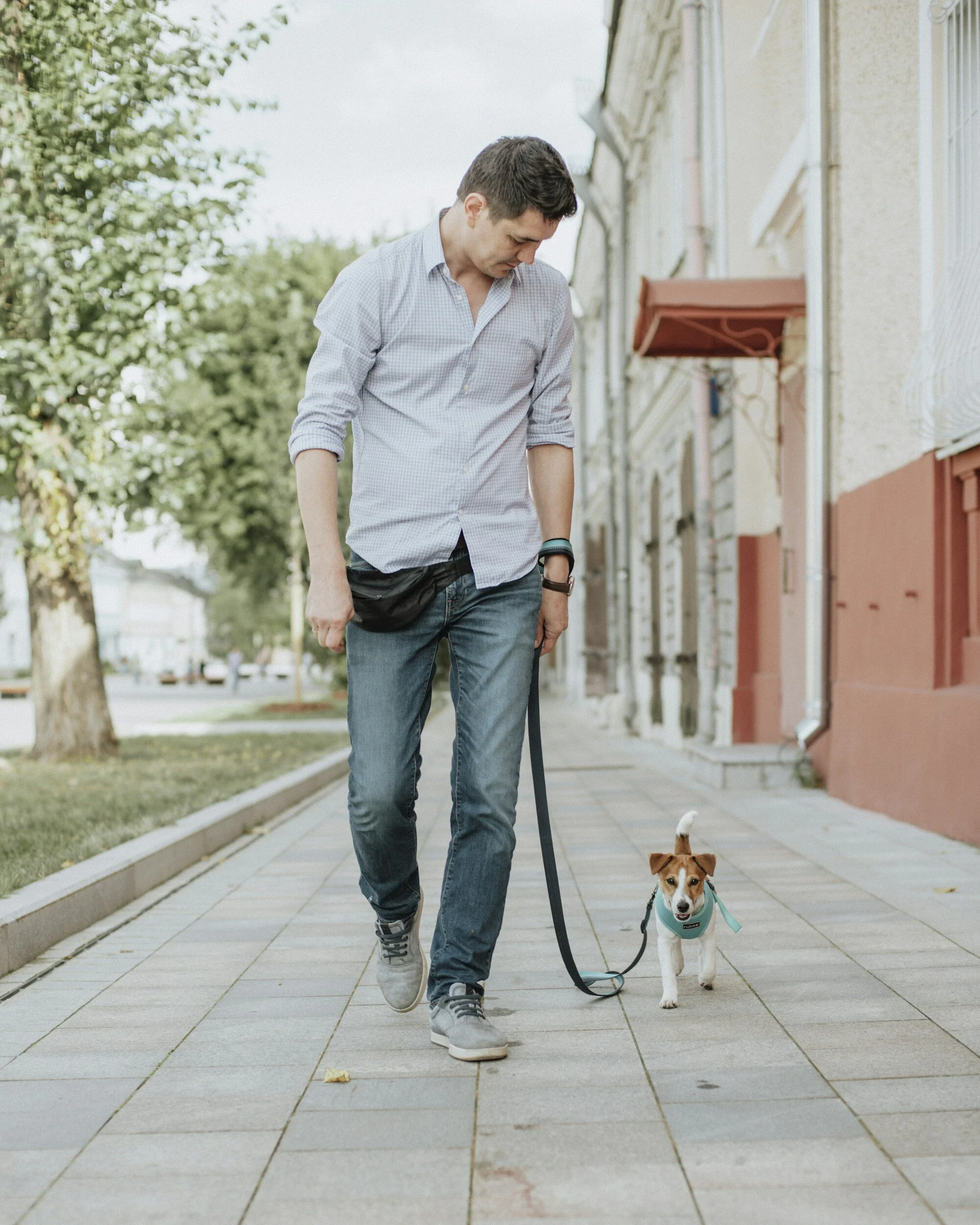
Learning to walk your dog on a loose leash is a fundamental aspect of responsible dog ownership. It transforms your daily strolls from a tug-of-war battle into a pleasant bonding experience. This guide will delve into the intricacies of “freak on a leash” dog training, focusing on how to achieve relaxed, enjoyable walks for both you and your canine companion. We’ll explore the common reasons behind leash reactivity and provide practical, humane strategies to help your dog walk calmly by your side.
Understanding “Leash Reactivity” in Dogs
“Leash reactivity” is a broad term that describes a dog’s tendency to overreact to stimuli while on a leash. This overreaction often manifests as pulling, lunging, barking, or growling. It’s crucial to understand that this behavior isn’t necessarily aggression; it’s often a frustrated or fearful response to feeling restrained or overwhelmed by their environment when they can’t react naturally.
Why Do Dogs Pull on Leash?
Several factors contribute to a dog’s pulling behavior:
- Genetics and Breed Tendencies: Some breeds were historically bred for tasks that involved pulling, such as sledding or guarding, and they may have a natural inclination to pull.
- Learned Behavior: If pulling has consistently gotten them where they want to go (e.g., to greet another dog or sniff an interesting spot), they learn that pulling is an effective strategy.
- Excitement and Overstimulation: The world is a smorgasbord of scents, sights, and sounds for a dog. When on a walk, their excitement can easily lead to pulling as they try to investigate everything.
- Lack of Training: Many dogs simply haven’t been taught how to walk politely on a loose leash. They don’t understand the human expectation of walking beside us.
- Fear or Anxiety: A dog might pull away from something that scares them, or pull towards something they are fixated on out of anxiety.
The Impact of a “Freak on a Leash”
A dog that’s a “freak on a leash” can make walks stressful and unenjoyable. It can lead to:
- Physical Strain: Constant pulling can strain your shoulders, back, and arms.
- Safety Concerns: A strong pull can cause you to lose your balance or drop the leash, potentially leading to your dog running into traffic or encountering other dangers.
- Damage to the Relationship: Frustration from difficult walks can impact the bond between you and your dog.
- Social Isolation: You might start avoiding walks or public places due to embarrassment or the sheer difficulty of managing your dog.
Strategies for Loose-Leash Walking Training
The goal of loose-leash walking training is to teach your dog that a loose leash is rewarding and that pulling is not. This requires patience, consistency, and positive reinforcement.
1. Equipment Matters
Choosing the right equipment can make a significant difference.
- Front-Clip Harnesses: These harnesses have a leash attachment point on the dog’s chest. When the dog pulls, it gently turns them back towards you, redirecting their forward momentum without causing pain. They are excellent for reducing pulling.
- Head Halters (e.g., Gentle Leader, Halti): These fit around the dog’s muzzle and behind the ears. They offer excellent control by guiding the dog’s head, and where the head goes, the body follows. They require a proper introduction to ensure the dog is comfortable.
- Avoidance: Tools like choke chains, prong collars, or shock collars are generally not recommended by modern, science-based trainers. They rely on pain or discomfort and can suppress behavior without addressing the underlying cause, potentially leading to fear, anxiety, or aggression.
2. Positive Reinforcement Techniques
Positive reinforcement focuses on rewarding desired behaviors. For loose-leash walking, this means rewarding your dog when the leash is slack.
- “Be a Tree” Method: The moment your dog pulls and the leash tightens, stop walking immediately. Stand still like a tree. Do not move forward until the leash slackens. The instant the leash loosens (even slightly), praise your dog and resume walking. This teaches the dog that pulling stops the walk, while a loose leash allows it to continue.
- Rewarding Slack: Keep high-value treats (small pieces of chicken, cheese, or special dog treats) in your pocket. Whenever your dog is walking by your side with a loose leash, randomly reward them with a treat and praise. Mark the moment with a word like “Yes!” or a clicker the instant the leash is loose, then give the treat.
- Direction Changes: If your dog starts to pull ahead, cheerfully say “This way!” and turn 180 degrees, walking in the opposite direction. Reward your dog when they catch up and walk beside you with a loose leash.
3. Teaching the “Heel” Cue (Optional but Helpful)
While not strictly necessary for all owners, teaching a formal “heel” can be beneficial for specific situations or if you want a higher level of precision. This is a more advanced command that requires consistent training. For those interested in mastering this, exploring resources like how to teach your dog to walk to heel can provide detailed, step-by-step instructions.
4. Managing Excitement and Distractions
Walks are full of distractions that can trigger your dog’s “freak on a leash” behavior.
- Start in Low-Distraction Environments: Begin training in your home or backyard where there are fewer stimuli. Gradually move to quieter streets, then busier parks as your dog progresses.
- Desensitization and Counter-Conditioning: If your dog reacts to specific triggers (e.g., other dogs, bikes), work on exposing them to these triggers at a distance where they don’t react. Reward them for calm behavior. This process, known as desensitization and counter-conditioning, helps change their emotional response to the trigger.
- Management Tools: Use your chosen equipment (front-clip harness, head halter) to help manage your dog in distracting environments. This isn’t a substitute for training but a tool to help prevent unwanted behaviors while you work on training.
Addressing Common Challenges
My Dog Still Pulls No Matter What!
- Consistency is Key: Are you and everyone else who walks the dog adhering strictly to the training method? Even one person reverting to old habits can confuse the dog.
- Value of Rewards: Are your treats high-value enough? Experiment with different rewards to see what motivates your dog most.
- Environment Too Distracting: You might need to go back to a quieter environment where your dog can focus better.
- Underlying Fear/Anxiety: If the pulling is accompanied by fear-based body language (tucked tail, pinned ears, wide eyes), the pulling might be a symptom of a deeper emotional issue that needs professional help.
My Dog Gets Overstimulated Easily
- Exercise and Mental Stimulation: Ensure your dog is getting enough physical exercise and mental enrichment before training walks. A tired dog is often a better-behaved dog. Consider puzzle toys or scent games.
- Short, Frequent Sessions: Keep training sessions short (5-10 minutes) and positive. End on a good note.
- Professional Guidance: For severe overstimulation or reactivity, consulting a certified professional dog trainer or a veterinary behaviorist is highly recommended. They can assess your dog’s specific needs and create a tailored plan. You might find resources like best dog training books reddit helpful for finding recommended professionals or reading materials.
The Long-Term Benefits of Loose-Leash Walking
Mastering loose-leash walking transforms your relationship with your dog. Walks become opportunities for positive interaction, exercise, and exploration, rather than a battle of wills. A well-trained dog on a loose leash is a joy to be around, reflects positively on your training efforts, and allows you to fully enjoy the companionship your dog offers. Remember that patience and positive reinforcement are your most powerful tools in helping your dog become a calm and happy walking partner. The journey to getting a dog to walk to heel, or simply walk calmly by your side, is a rewarding one that strengthens your bond and enhances your daily life together.
