
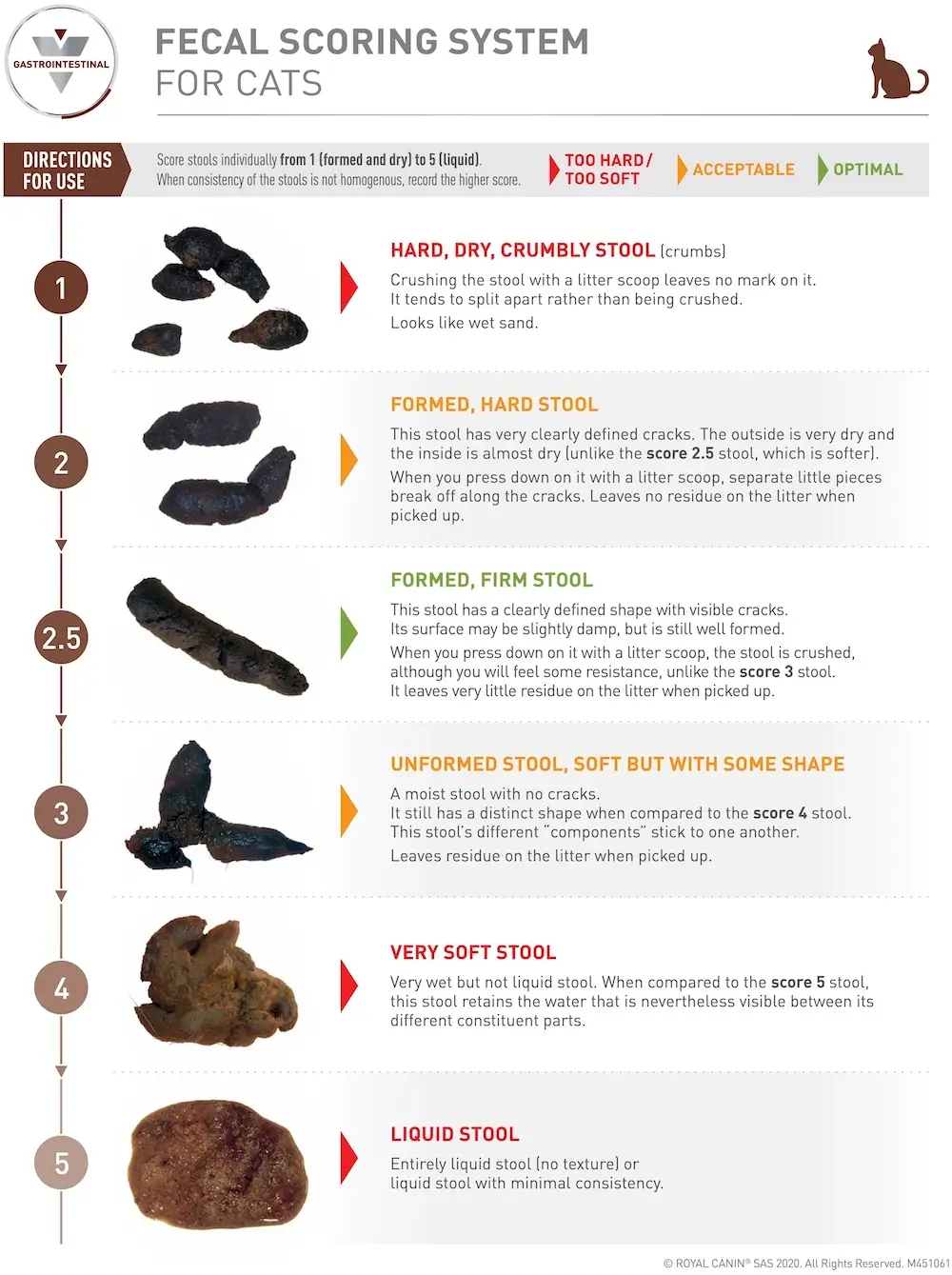
Constipation is a common ailment in felines, often presenting as a mild issue that can be managed with simple home remedies. However, it’s crucial to recognize when constipation in cats might signal a more serious health concern or develop into a severe and uncomfortable condition. This guide will help you understand the symptoms and causes of cat constipation, effective home treatments, and when veterinary intervention is necessary.
When to Seek Veterinary Care
Prompt treatment of constipation is vital to prevent permanent damage to the colon from prolonged distension. A veterinarian can administer immediate relief through fluids and enemas. It is essential to note that enemas designed for humans can be highly toxic to cats, making at-home administration by owners strongly discouraged. Your vet can also prescribe necessary medications or recommend over-the-counter solutions to manage symptoms and, more importantly, identify and treat the underlying cause of the constipation, rather than merely addressing the symptoms.
Home Remedies for Cat Constipation
While veterinary treatment is paramount, several lifestyle adjustments at home can aid your cat in combating constipation. However, it’s critical to contact your veterinarian immediately if your cat has not defecated in 48–72 hours or shows signs of discomfort.
Here are some tips to discuss with your veterinarian:
1. Enhance Water Intake
Dehydration is a significant contributor to constipation. Ensuring your cat drinks enough water is key to prevention. Since cats are not always keen on drinking from standing water sources, incorporating wet food into their diet is the most effective way to increase their water consumption and hydration levels, thereby significantly reducing constipation risk. Other methods to encourage drinking include placing multiple water bowls around the house, using pet water fountains, or leaving a faucet with a slow drip. Products like Hydracare™ can also help boost your cat’s total liquid intake.
2. Adjust Diet
Food allergies can lead to intestinal inflammation, resulting in constipation. Switching your cat’s food to a different protein source (e.g., from chicken to lamb) can help reduce inflammation and promote normal intestinal function. For cats with multiple sensitivities, specialized limited ingredient, prescription, or hypoallergenic diets are available. Dietary changes typically take eight to twelve weeks to show effects, making this a long-term management strategy. Always consult your veterinarian to determine the best diet for your cat and follow recommended transition periods when changing foods.
3. Maintain a Healthy Weight
Obesity can cause intestinal inflammation, slowing down digestive processes. This leads to excessive water absorption from the stool, causing constipation. In severe cases, the accumulation of abdominal fat can physically obstruct stool passage. Your veterinarian can assess if your cat needs to lose weight and help create a suitable diet plan.
4. Increase Exercise and Enrichment
Regular physical activity promotes normal intestinal movement, which is crucial for treating and preventing constipation. Engaging your cat with toys, cat trees, window perches, and interactive playtime can encourage activity. Exercise also provides mental enrichment, reduces anxiety, and aids in weight management.
5. Minimize Stress and Anxiety
Cats are sensitive to disruptions in their routine, which can cause stress and lead to constipation. Changes in the household, such as a new pet, moving, alterations in your schedule, or external noises like construction or barking dogs, can be unsettling. While cats may adapt over time, you can help reduce stress using calming pheromones (like Feliway), supplements (such as Zylkene and Solliquin®), or prescribed medications.
6. Provide Ample Litter Boxes
Cats can be particular about their litter box environment. Disliking the location, type of box, or litter can lead to reluctance to use it, potentially causing constipation. It is recommended to have at least one more litter box than the number of cats in your household, with at least one box on each floor. Experimenting with different litter types and litter box designs may be necessary to find your cat’s preference.
7. Incorporate Fiber or Probiotics
Probiotics introduce beneficial bacteria that support healthy intestinal function, aiding in normal stool movement and consistency. Fiber, in turn, nourishes these good bacteria and promotes intestinal motility. Both can help retain moisture in the intestines, preventing and treating constipation.
8. Monitor for Constipation
Regularly monitor your cat’s defecation frequency and stool consistency, at least twice weekly initially, then weekly or bi-weekly. Contact your veterinarian if you observe very hard, dry feces or notice your cat straining during defecation.
Recovery and Management
With the underlying cause addressed, most cats recover from constipation relatively quickly. Close collaboration with your veterinarian and adherence to their instructions are essential. Some adjustments, such as dietary changes or ongoing medication, may be necessary for your cat’s long-term health.
