
As loving pet parents, we often want to share our meals with our feline and canine companions. While treats are a great way to bond with your pets, feeding them human food requires careful consideration. Some human foods are safe and even beneficial for cats and dogs in moderation, while others can be toxic. This guide explores safe human food options for your pets and highlights dangerous foods to avoid, ensuring your furry friends remain healthy and happy.
Foods Cats and Dogs Can Enjoy
Certain human foods can be offered as occasional treats to cats and dogs, providing them with nutrients and enjoyment.
Carrots:
- For Cats: Carrots are a low-calorie treat for cats, rich in fiber and beta-carotene, supporting digestion and eye health. Since cats are obligate carnivores, carrots should be given sparingly.
- For Dogs: Dogs can enjoy carrots for their crunch, which helps clean teeth, and their essential nutrients. Cut them into small pieces to prevent choking hazards.
Cheese:
- For Cats: Cats are often lactose intolerant. Small, infrequent portions of low-lactose cheeses like cheddar, mozzarella, or parmesan are best to avoid digestive upset.
- For Dogs: Dogs can have cheese in moderation. It’s a good source of protein and calcium but is high in fat and calories, making it an occasional treat.
Cooked Eggs:
- For Cats: Fully cooked eggs are an excellent source of protein, vitamins, and minerals for cats, being easily digestible. Ensure they are plain, unseasoned, and thoroughly cooked to prevent salmonella.
- For Dogs: Cooked eggs benefit dogs with high protein content and essential fatty acids for muscle development and overall health. Limit consumption due to cholesterol and always serve fully cooked.
Marshmallows:
- For Cats: Marshmallows offer little nutritional value and are high in sugar. If given, it should be a very small piece.
- For Dogs: Marshmallows can be a sweet treat for dogs, useful for training or administering medication. However, they are high in sugar and calories, so use them sparingly. Always check for xylitol, a toxic artificial sweetener.
Green Beans:
- For Cats: Green beans can be a healthy, low-calorie, high-fiber snack for cats, aiding digestion.
- For Dogs: These are a fantastic low-calorie option for dogs, rich in fiber, vitamins, and minerals, especially beneficial for weight management. Serve plain and unseasoned. Rinse canned versions to reduce sodium.
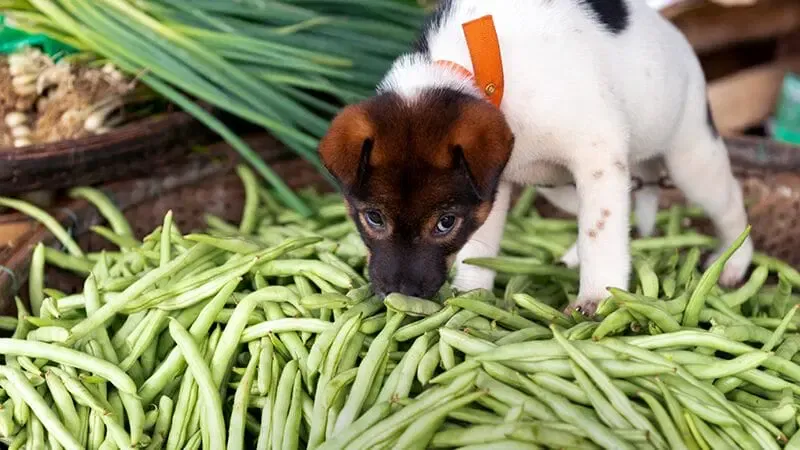 dog eating green beans healthy snack
Peanut Butter:
- For Cats: Cats can have a small amount of peanut butter infrequently due to its high fat and calorie content. Always choose xylitol-free varieties.
- For Dogs: Peanut butter is a popular treat for dogs, providing protein, healthy fats, and vitamins. Opt for unsalted and xylitol-free options.
Salmon:
- For Cats: Well-cooked salmon, free of bones and seasoning, is nutritious for cats, offering omega-3 fatty acids for skin and coat health, plus protein. Raw or undercooked salmon can contain a fatal parasite.
- For Dogs: Salmon can aid joint health and reduce inflammation in dogs, while also boosting immune systems and promoting shiny coats for both species.
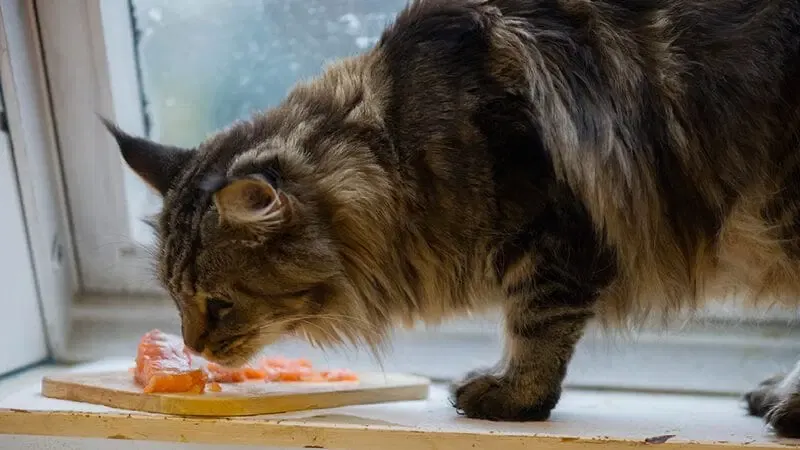 cat eating salmon
Foods Cats and Dogs Should Avoid
Several common human foods are toxic and dangerous for cats and dogs, even in small quantities.
- Chocolate: Contains theobromine and caffeine, which are toxic to pets, affecting the heart, central nervous system, and kidneys. The darker the chocolate, the more dangerous it is.
 do not feed chocolate to your dogs and cats
Alcohol: Extremely toxic, alcohol can cause severe liver and brain damage, leading to coma and death in both cats and dogs. Keep all alcoholic beverages out of reach.
Onions, Garlic, and Chives: These contain compounds that damage red blood cells, leading to severe anemia in pets. Even small amounts can be harmful.
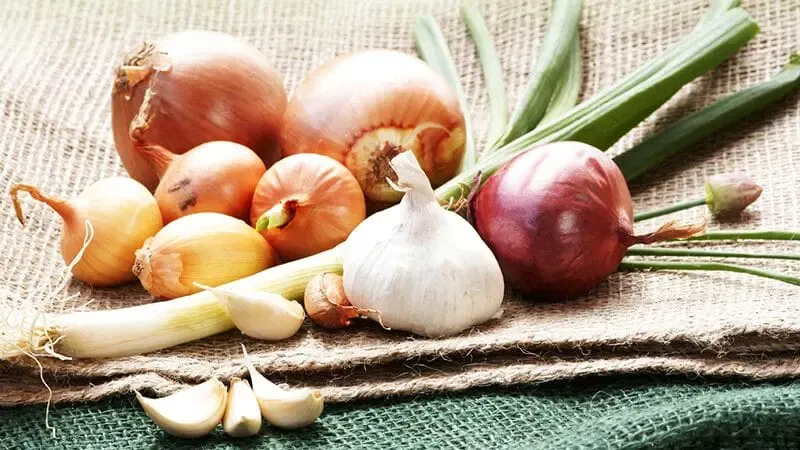 keep away onion garlic and chives from cats and dogs
Macadamia Nuts: Can cause weakness, vomiting, hyperthermia, and tremors in dogs. While less documented in cats, it’s best to avoid them for both species.
Raisins and Grapes: Can cause kidney failure in some dogs. Due to unknown reactions in cats, it is best to avoid giving these fruits to either.
Always consult your veterinarian if you have any concerns about your pet’s diet. Making informed choices about the human foods you share can significantly contribute to your pets’ long-term health and well-being.
For more essential pet health and safety information, explore our extensive Pet Care Resources library.
